Gardening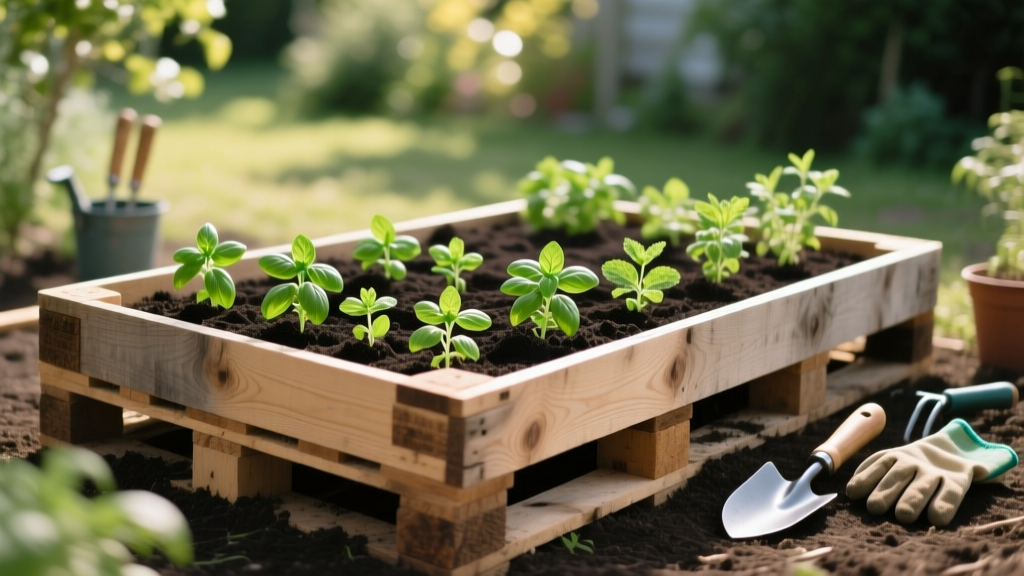
How to Build Budget-Friendly DIY Raised Garden Beds
Mike RodriguezPublished
The High Cost of Traditional Raised Beds
Raised garden beds are the cornerstone of a productive, organized, and visually appealing home garden. They offer superior drainage, warmer soil in the spring, and a defined barrier against weeds and pests. However, the initial infrastructure costs can quickly drain your gardening budget. A standard 4x8-foot cedar raised bed kit from a retail hardware store can easily cost between $150 and $300. If you are planning a multi-bed vegetable garden, these expenses multiply rapidly, turning a budget-friendly hobby into a significant financial investment.
Fortunately, you do not need to spend a fortune to achieve the benefits of raised bed gardening. By embracing budget-friendly DIY solutions and upcycling materials, you can build durable, attractive, and highly functional garden beds for a fraction of the retail cost.
Why Upcycled Pallets Are the Ultimate Budget Solution
Wooden shipping pallets are ubiquitous in the global supply chain, and thousands are discarded daily. Repurposing these pallets into garden infrastructure is not only a massive money-saver but also an environmentally responsible choice. According to the Environmental Protection Agency (EPA), millions of tons of wood and building materials end up in landfills annually. By diverting untreated, safe pallets from the waste stream, you are actively reducing landfill burden while securing free, high-quality lumber for your garden.
Crucial First Step: Reading Pallet Safety Stamps
Before you start dismantling, you must ensure the pallet is safe for growing food. Pallets are treated to prevent the spread of invasive insects, but some chemical treatments are toxic and will leach into your soil and vegetables.
Look for the IPPC (International Plant Protection Convention) stamp burned into the wood:
- HT (Heat Treated): This is the gold standard for garden use. The wood was heated to a specific core temperature to kill pests. It is completely safe for growing edible crops.
- KD (Kiln Dried): Also safe. The wood was dried in a kiln to reduce moisture and eliminate pests.
- DB (Debarked): Safe. This simply means the bark was removed prior to treatment.
- MB (Methyl Bromide): DANGER. This is a highly toxic neurotoxin and fumigant. Never use MB-stamped pallets for gardening, composting, or even burning.
Pro Tip: Avoid pallets with unknown stains, strong chemical odors, or those that were used to transport industrial chemicals or automotive parts. Stick to clean, light-colored pallets from local grocery stores or garden centers.
Tools and Materials Required
Building a 4x4-foot raised bed (12 inches deep) requires minimal investment. Here is your budget-friendly shopping and scavenging list:
- 3 to 4 HT-Stamped Pallets: Free or $5 each (Total: $0 - $20)
- 2.5-inch Exterior Deck Screws: 1 lb box (Total: $8)
- Corner Brackets or Scrap 2x4 Wood: For internal bracing (Total: $0 - $5)
- Cardboard: Free from local appliance or grocery stores (for weed blocking)
- Reciprocating Saw or Crowbar & Hammer: For dismantling (Assume owned)
- Power Drill & Tape Measure: (Assume owned)
- Sandpaper (80-grit): To smooth splinters (Total: $3)
Step-by-Step Construction Guide
Step 1: Dismantling the Pallets
Dismantling pallets requires patience. While a crowbar and hammer work, they often split the brittle pallet wood. The most efficient, budget-conscious method is using a reciprocating saw (Sawzall) with a metal-cutting blade. Slide the blade between the slats and the support blocks, cutting straight through the nails. This preserves the maximum length of your wood and saves hours of frustrating labor.
Step 2: Measuring and Cutting
For a standard 4x4-foot bed, you will need eight pieces of pallet slats cut to 4 feet in length. If your pallet slats are only 3.5 feet long, you can adjust your bed dimensions to 3.5x7 feet to accommodate overlapping corner joints. Stack the slats and cut them simultaneously using a circular saw to ensure uniform edges.
Step 3: Assembling the Walls
Lay out your first layer of 4-foot slats on a flat surface. Use scrap wood or corner brackets to join the corners. Drive two 2.5-inch exterior screws through the face of the slat into the end-grain of the intersecting board. Repeat this process, stacking the slats horizontally until you reach your desired height (typically three to four slats high, yielding 12 to 16 inches of depth).
Step 4: Adding Internal Bracing
Pallet wood is thinner than standard dimensional lumber (like 2x6s). To prevent the soil weight from bowing the walls outward, cut four 12-inch pieces of scrap 2x4 wood. Place one in each interior corner and screw the pallet slats into these vertical stakes. This anchors the bed and provides immense structural integrity.
Cost Comparison: DIY Pallet vs. Retail Kits
To truly understand the value of this DIY approach, consider the cost breakdown for a single 4x4-foot raised bed compared to retail alternatives:
| Material Source | Estimated Material Cost | Lifespan (Estimated) | Eco-Friendliness |
|---|---|---|---|
| Retail Cedar Kit (4x4) | $120 - $180 | 10 - 15 Years | Moderate (New Timber) |
| Hardware Store Pine (4x4) | $45 - $60 | 3 - 5 Years | Low (Chemical Treatments) |
| Upcycled HT Pallets (4x4) | $8 - $15 (Screws/Sandpaper) | 4 - 7 Years | High (Reclaimed Waste) |
Even factoring in the need to replace the pallet bed in five years, the total decade-long cost remains drastically lower than a single purchase of a premium cedar kit.
Filling Your Bed: The Budget Soil Blend
A 4x4-foot bed that is 1 foot deep requires 16 cubic feet of soil. Buying bagged potting mix will cost upwards of $80. Instead, order bulk materials or mix your own budget-friendly blend. The Penn State Extension recommends a well-draining, nutrient-dense mix for raised beds to ensure optimal root development.
The Budget Soil Recipe:
- 50% Screened Topsoil: Provides the base structure and bulk (approx. $15 per cubic yard in bulk).
- 30% Organic Compost: Supplies essential nutrients and microbial life. Source this from municipal composting facilities for pennies on the dollar.
- 20% Coco Coir or Peat Moss: Retains moisture and keeps the soil light and fluffy.
Before adding soil, line the bottom of the bed with flattened, plain brown cardboard. This acts as a biodegradable weed barrier that will smother existing grass while allowing earthworms to migrate up into your new bed.
Protecting and Maintaining Your Pallet Beds
Because pallet wood is not naturally rot-resistant like cedar, it requires a budget-friendly sealant to extend its lifespan. Avoid chemical wood preservatives like copper naphthenate, which can leach into edible gardens. Instead, use raw linseed oil. Apply a generous coat with a rag to the exterior and interior walls once a year in the spring. Raw linseed oil is natural, non-toxic, and deeply penetrates the wood fibers to repel moisture and prevent rot.
Conclusion
Building your own raised beds from reclaimed pallets is a testament to the resourcefulness of the home gardener. It transforms potential landfill waste into a thriving, productive ecosystem. As noted by the University of Florida IFAS Extension, raised beds create a unique microclimate that warms faster in the spring and extends your growing season. By combining this horticultural advantage with upcycled materials, you maximize your harvest while minimizing your environmental and financial footprint.
