
Landscaping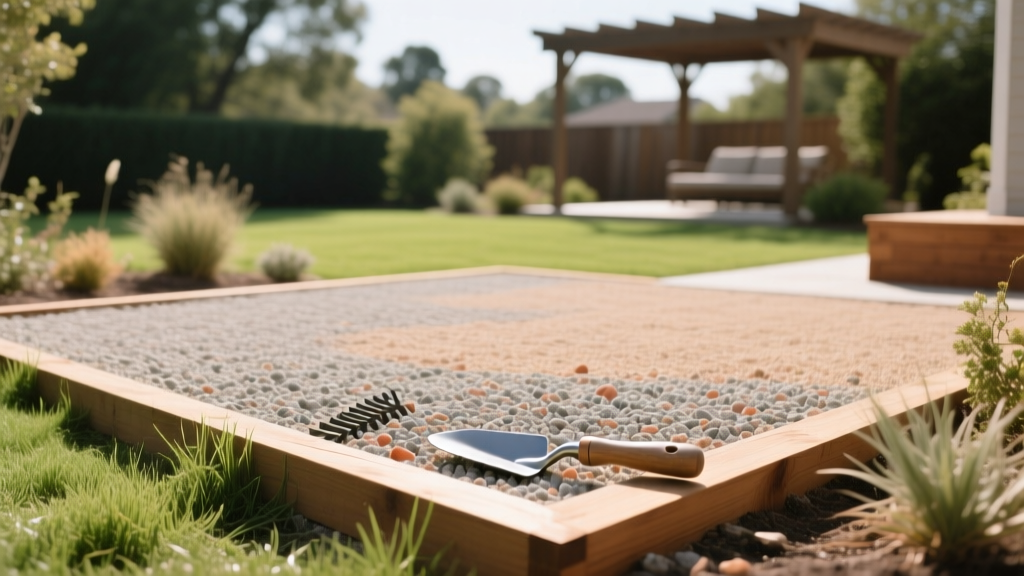
DIY Gravel Patio Installation: A Budget-Friendly Guide
David ParkPublished
Transforming your backyard into a functional outdoor living space doesn't require a massive budget or a professional landscaping crew. While poured concrete or natural stone pavers can easily cost between $15 and $30 per square foot when installed professionally, a gravel patio offers a stunning, rustic alternative for a fraction of the price. By taking the DIY route, you can install a durable, high-quality gravel patio for as little as $2 to $5 per square foot. This guide will walk you through the planning, material selection, and step-by-step installation process to help you create a budget-friendly backyard oasis.
Why Choose a Gravel Patio?
Gravel is one of the most versatile and forgiving hardscaping materials available. Unlike concrete, which requires precise mixing, pouring, and curing, or pavers, which demand meticulous leveling and sand-sweeping, gravel is highly adaptable. It conforms to irregular shapes, making it perfect for freeform garden designs or winding pathways. Furthermore, gravel is an eco-friendly landscaping choice. According to the Environmental Protection Agency (EPA), permeable surfaces like gravel significantly reduce stormwater runoff, prevent soil erosion, and naturally filter pollutants before they reach local waterways.
Choosing the Right Gravel: Comparison Chart
Not all gravel is created equal. The type of stone you choose will impact the patio's comfort, drainage, and overall aesthetic. Here is a breakdown of the most popular budget-friendly gravel types for patios:
| Gravel Type | Est. Cost (per sq ft) | Texture & Feel | Best Application |
|---|---|---|---|
| Pea Gravel | $1.50 - $2.50 | Smooth, rounded, loose | Casual seating areas, playground borders |
| Crushed Stone (3/4") | $1.00 - $2.00 | Angular, interlocking, firm | Heavy furniture, fire pits, high-traffic |
| Decomposed Granite (DG) | $2.00 - $3.50 | Sandy, compacts tightly, natural | Formal patios, ADA-accessible paths |
Pro Tip: For the top layer of a patio where chairs and tables will be placed, angular crushed stone or stabilized decomposed granite is superior to pea gravel. Pea gravel tends to shift underfoot and makes dragging patio furniture difficult.
Calculating Your Materials and Budget
Before heading to the landscape supply yard, you must calculate the exact volume of materials needed. A standard gravel patio requires a two-layer system: a 4-inch base layer of crushed rock for drainage and stability, and a 2-inch top layer of decorative gravel.
The Math for Cubic Yards
Landscape materials are sold by the cubic yard. Use this formula to determine how much to order:
- Base Layer: (Length in feet × Width in feet × 0.33) ÷ 27 = Cubic Yards of Base Rock
- Top Layer: (Length in feet × Width in feet × 0.16) ÷ 27 = Cubic Yards of Decorative Gravel
Example: For a 10x12 foot patio (120 sq ft), you will need roughly 1.5 cubic yards of base rock and 0.75 cubic yards of top gravel. Buying in bulk from a local quarry or landscape supplier is almost always cheaper than buying bagged gravel from a big-box hardware store.
Step-by-Step DIY Installation Guide
Step 1: Layout and Excavation
Begin by marking the perimeter of your patio using landscaping spray paint or a garden hose for curved designs. Once you are happy with the shape, it is time to dig. You need to excavate the area to a depth of 6 to 8 inches. This depth accounts for the 4-inch base, the 2-inch top layer, and ensures the patio sits slightly below the surrounding soil line to prevent gravel migration. Use a flat spade to remove the grass and topsoil, and a hand tamper to compact the exposed dirt subgrade.
Step 2: Install Edging and Weed Barrier
To keep your gravel contained and weeds at bay, edging and fabric are non-negotiable. Install heavy-duty steel or commercial-grade plastic landscape edging around the perimeter, securing it with heavy metal stakes driven deep into the ground.
Next, roll out a woven geotextile landscape fabric over the compacted soil. Avoid cheap, non-woven plastic weed barriers. The University of Minnesota Extension notes that impermeable plastic fabrics trap moisture, ruin soil health, and eventually become a headache when weed seeds blow in and take root on top of the degraded plastic. A high-quality woven fabric allows water to drain while blocking weed growth from below.
Step 3: Lay and Compact the Base Layer
Pour your 3/4-inch minus crushed base rock (often called road base or crusher run) over the fabric to a depth of 4 inches. The "minus" designation means the gravel includes stone dust and smaller particles, which is crucial because it locks together when compacted to form a concrete-like sub-base. Rent a motorized plate compactor from a local tool rental shop (usually around $70-$90 per day). Run the compactor over the base layer in overlapping passes until it is completely flat and firm.
Step 4: Add the Decorative Top Layer
Once the base is solid, dump your decorative top-layer gravel over the patio. Use a heavy landscaping rake to spread the gravel evenly to a depth of 2 inches. Ensure the gravel sits about half an inch below the top of your edging to prevent it from spilling into your lawn or garden beds.
Budget-Friendly Design Enhancements
Just because you are on a budget doesn't mean your patio has to look plain. You can elevate the design of your gravel patio using low-cost DIY techniques:
- Reclaimed Brick Edging: Instead of buying expensive steel edging, visit local architectural salvage yards or check online marketplaces for reclaimed clay bricks. Set them on edge in a trench around your patio for a charming, cottage-core border.
- Stepping Stone Inlays: Break up large expanses of gravel by embedding large, flat flagstones or poured concrete stepping stones. This provides stable footing for high-traffic walkways leading to the seating area.
- DIY Fire Pit Ring: Create a focal point by purchasing a basic steel fire pit ring and surrounding it with a circular border of inexpensive retaining wall blocks. The gravel patio serves as a natural, fire-resistant safety zone around the flames.
Common DIY Mistakes to Avoid
Even the most budget-conscious DIYer should avoid cutting corners on structural integrity. The most common mistake is skipping the base layer and dumping decorative gravel directly onto the soil or weed fabric. Without a compacted base layer, heavy patio furniture will sink into the mud during the rainy season, and frost heave in colder climates will cause the patio to become severely uneven. Additionally, always ensure your patio has a slight slope (about 1/4 inch of drop per foot) away from your home's foundation to direct water away from your structure.
Maintenance and Longevity
Gravel patios require minimal maintenance, but they are not entirely "set it and forget it." Over time, foot traffic and weather will cause the top layer to thin out or shift. Plan to use a stiff-bristled rake to redistribute the gravel every spring. Every three to five years, you may need to order an additional half-inch layer of top gravel to refresh the color and depth. If weeds do manage to sprout from seeds blown in by the wind, a simple application of horticultural vinegar or a targeted organic weed killer will keep the space pristine without harming the surrounding environment.
Conclusion
Building a DIY gravel patio is one of the most rewarding weekend landscaping projects a homeowner can tackle. By investing a little sweat equity and carefully selecting your materials, you can create a beautiful, permeable, and highly functional outdoor living space that enhances your home's curb appeal without draining your bank account. Grab your shovel, rent that plate compactor, and start building your backyard retreat today.

