Gardening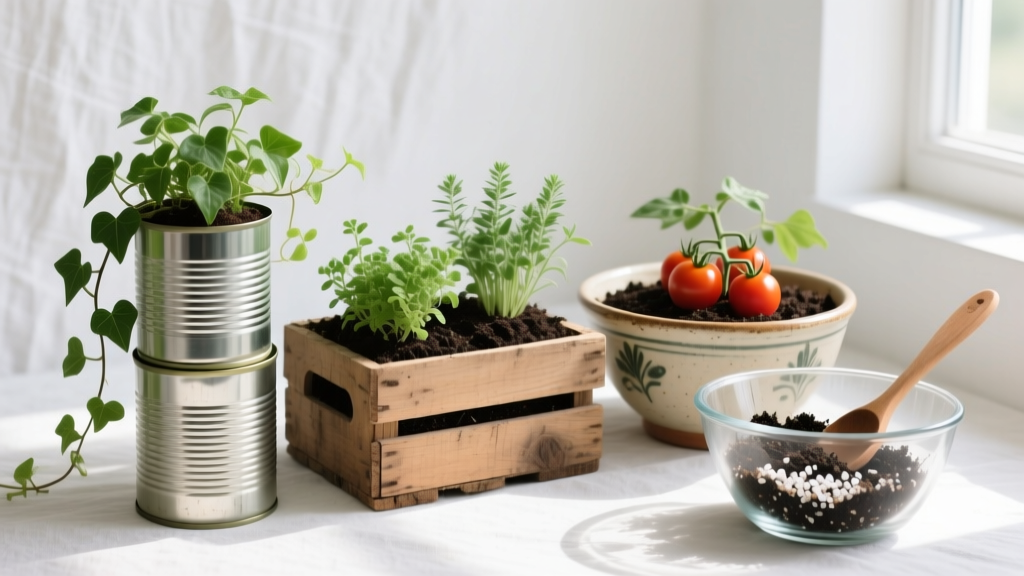
DIY Upcycled Container Gardening and Budget Soil Mix
James MillerPublished
The Rise of Upcycled Container Gardening
Gardening is often perceived as an expensive hobby requiring vast backyard space, premium raised beds, and costly bags of commercial potting soil. However, with a bit of creativity and resourcefulness, you can cultivate a highly productive vegetable and flower garden on a shoestring budget. Upcycled container gardening is a sustainable, cost-effective method that repurposes everyday materials into thriving plant habitats. Whether you are working with a small apartment balcony, a concrete patio, or simply want to maximize your yard's growing space, DIY container gardening offers unparalleled flexibility and savings.
By sourcing free containers and mixing your own high-quality potting medium, you can reduce your initial gardening startup costs by up to 75% compared to buying retail kits and commercial soils. This guide will walk you through the exact steps to safely source, prepare, and plant upcycled containers, complete with a budget-friendly soil recipe that rivals premium store-bought blends.
Sourcing Free and Low-Cost Containers
The most expensive component of container gardening is often the pots themselves. Fortunately, many ideal growing containers are discarded daily by local businesses. The gold standard for budget gardening is the food-grade 5-gallon bucket. These buckets typically measure about 11.5 inches in diameter and 14.5 inches deep, providing ample volume for deep-rooting crops like tomatoes, peppers, and eggplants.
Where to Find Free Buckets
- Bakeries and Donut Shops: Frosting and filling ingredients often come in 5-gallon food-grade buckets that are discarded after use.
- Delis and Restaurants: Pickles, sauces, and bulk condiments are frequently shipped in these containers.
- Car Washes and Hardware Stores: While they may have bulk soaps or chemicals, never use these for edible gardening. Always stick to food-grade sources.
Food Safety and Plastic Types
When upcycling plastics for edible gardens, safety is paramount. Always inspect the bottom of the bucket for the recycling triangle. You want to look for the #2 HDPE (High-Density Polyethylene) symbol, which is widely recognized as safe for food contact and resistant to leaching under UV exposure and heat. Avoid buckets that previously held toxic chemicals, paints, or industrial solvents, as porous plastics can retain harmful residues.
Once you have secured your food-grade buckets, sanitize them thoroughly. Mix a solution of 1 tablespoon of unscented household bleach per gallon of water. Scrub the interior and exterior of the buckets, let them sit for 10 minutes, and rinse them thoroughly with a hose before use.
The Ultimate Budget DIY Potting Soil Recipe
A common mistake among beginner gardeners is digging up dirt from the backyard to fill their containers. According to the University of Wisconsin-Madison Extension, garden soil is far too dense for containers; it compacts easily, restricts root growth, and severely limits drainage, leading to root rot. Container plants require a lightweight, well-aerated, and moisture-retentive potting mix.
Commercial potting soils can cost upwards of $15 to $20 per cubic foot. By sourcing raw ingredients in bulk or utilizing local resources, you can create a superior custom mix for a fraction of the price. The secret lies in the classic 1:1:1 volume ratio.
The 3-Part Budget Soil Mix
- 1 Part Coconut Coir: A sustainable, budget-friendly alternative to peat moss. Coir comes in compressed bricks that expand when hydrated, offering excellent moisture retention and aeration. It is also pH-neutral, unlike acidic peat moss.
- 1 Part Compost: The nutritional powerhouse of your mix. If you follow the Environmental Protection Agency (EPA) guidelines for home composting, you can generate this ingredient entirely for free using kitchen scraps and yard waste.
- 1 Part Perlite or Pumice: Essential for creating microscopic air pockets in the soil, ensuring that roots receive the oxygen they need to thrive.
Ingredient Cost Comparison Chart
| Ingredient | Primary Purpose | Est. Cost (per 2 cu ft) | Budget Alternative |
|---|---|---|---|
| Coconut Coir | Moisture retention | $10-$15 (compressed block) | Sphagnum peat moss |
| Compost | Nutrients & biology | $0 (DIY) or $5 (bagged) | Leaf mold |
| Perlite | Drainage & aeration | $5-$8 | Coarse horticultural sand |
| Worm Castings | Fertilizer boost | $15 (Optional add-in) | DIY compost tea |
Note: To mix, hydrate the coir brick in a wheelbarrow first, then add the compost and perlite, turning the mixture with a garden fork until uniform.
Step-by-Step Assembly and Planting
Proper preparation of your upcycled containers is critical to preventing waterlogged soil and fungal diseases. Plants in containers rely entirely on you for drainage, as they cannot send their roots deeper into the earth to escape standing water.
Drilling Drainage Holes
Turn your sanitized 5-gallon bucket upside down. Using a power drill and a 3/8-inch spade or twist bit, drill 6 to 8 holes evenly spaced across the bottom of the bucket. Additionally, drill two holes on the lower sides of the bucket, about 1 inch up from the base. This creates a small reservoir at the very bottom while ensuring the bulk of the root zone drains freely.
Busting the Gravel Myth
Do not add a layer of gravel, rocks, or broken pottery to the bottom of your bucket before adding soil. Horticultural science has repeatedly debunked this practice. Adding coarse material to the bottom of a container creates a 'perched water table,' which actually raises the level of saturated soil closer to the plant's roots, increasing the risk of rot. Fill the bucket directly with your DIY soil mix, leaving about 2 inches of space from the rim to allow for watering.
Best Plants for 5-Gallon Bucket Gardens
Not all plants are suited for the confines of a 5-gallon bucket. While shallow-rooted herbs and leafy greens can be grown in smaller upcycled containers (like coffee tins or plastic storage bins), larger buckets are perfect for heavy feeders. Limit yourself to one plant per 5-gallon bucket for the following crops:
- Determinate Tomatoes: Look for 'bush' or 'patio' varieties like Bush Early Girl or Patio Princess.
- Peppers: Both bell peppers and hot peppers thrive in the warm microclimate that dark plastic buckets provide.
- Eggplants: Compact varieties like Fairy Tale or Patio Baby produce high yields in confined spaces.
- Bush Beans and Cucumbers: Ensure you provide a small trellis or bamboo stakes for cucumbers to climb vertically.
Companion Planting Tip: While you should only plant one main crop per bucket, you can underplant with shallow-rooted companions. Planting a ring of marigolds around the base of your tomato plant helps deter nematodes and attracts beneficial pollinators without competing heavily for root space.
Maintenance and Fertilizing on a Dime
Container plants require more frequent watering and fertilization than in-ground gardens, as nutrients leach out of the drainage holes every time you water. Commercial liquid fertilizers can quickly eat into your budget. Instead, utilize kitchen scraps and DIY methods to keep your plants fed.
DIY Compost Tea Recipe
Compost tea is a nutrient-rich liquid fertilizer that also introduces beneficial microbes to your soil. To make it for free:
- Fill a separate 5-gallon bucket with rainwater or dechlorinated tap water (let tap water sit uncovered for 24 hours to allow chlorine to dissipate).
- Place 2 cups of your finished DIY compost into an old cotton t-shirt or burlap sack, and tie it off like a tea bag.
- Submerge the 'tea bag' in the water and stir vigorously twice a day to aerate the mixture.
- Steep for 48 to 72 hours. The water should turn a dark, translucent amber color.
- Dilute the tea at a 1:1 ratio with fresh water and apply it to the base of your container plants every two weeks.
Free Kitchen Scrap Amendments
Instead of buying calcium supplements to prevent blossom end rot in tomatoes, save your eggshells. Rinse them, let them dry, and crush them into a fine powder using a blender or rolling pin. Sprinkle a tablespoon of eggshell powder into the planting hole before setting your tomato transplant. Similarly, used coffee grounds can be lightly top-dressed around acid-loving plants, though they should be composted first if applied heavily to avoid altering soil pH too drastically.
Conclusion
Upcycled container gardening proves that a lack of space and a tight budget are no barriers to growing your own food. By safely repurposing food-grade buckets, mixing a scientifically sound 1:1:1 soil blend, and utilizing DIY compost teas, you can create a resilient, high-yielding garden for pennies on the dollar. Start collecting your buckets today, and transform your patio into a budget-friendly oasis of homegrown produce.
