Lawn Care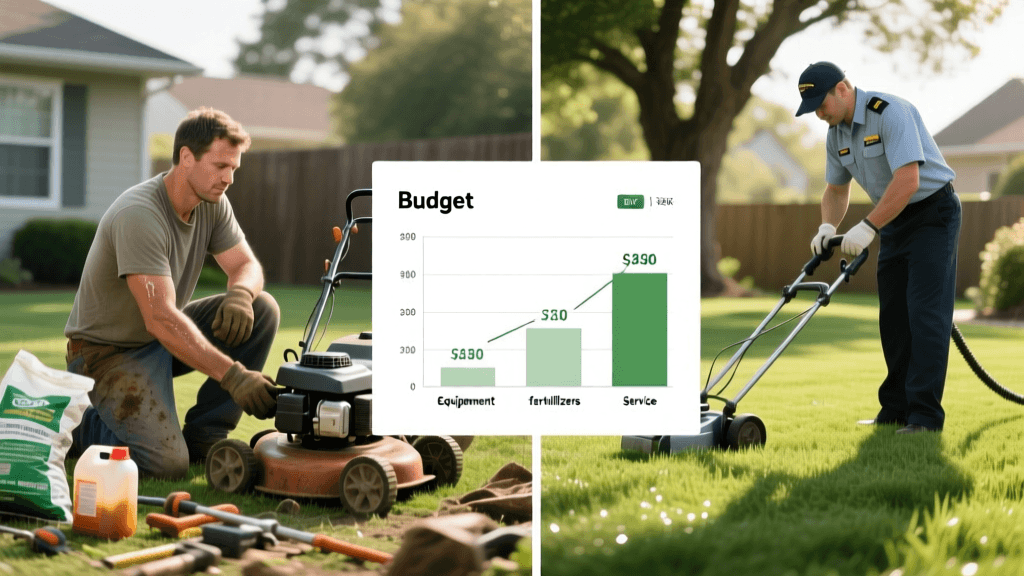
DIY vs Pro Lawn Care: The Ultimate Cost & Budget Guide
The Great Lawn Care Debate: Sweat Equity vs. Hiring a Pro
When it comes to maintaining a lush, green lawn, homeowners are inevitably faced with a classic dilemma: should you invest your weekends in DIY lawn care, or hire a professional landscaping service? As a senior writer for LawnsGuide, I have analyzed the financial and temporal costs of both routes. Whether you are nurturing a cool-season Kentucky Bluegrass lawn in the North or a warm-season Bermuda grass lawn in the South, understanding the true cost of lawn maintenance is critical for your annual home budget.
In this comprehensive cost and budgeting guide, we will break down the exact expenses associated with DIY lawn care—including equipment, commercial-grade chemicals, and fertilizers—and compare them directly against national averages for professional lawn care services. By the end of this guide, you will know exactly where your money is going and how to maximize your lawn care budget.
The True Cost of DIY Lawn Care
Many homeowners assume that doing it yourself is always the cheapest option. While it is true that you save on labor costs, the initial capital required for proper equipment and the ongoing cost of high-quality consumables can add up quickly. Let us break down the budget for a standard 5,000 square foot lawn.
Initial Equipment Investment
To achieve professional-level results, you need reliable equipment. Buying cheap, big-box store mowers often leads to higher long-term costs due to repairs and poor cut quality. Here is a realistic budget for a high-quality DIY setup:
- Lawn Mower: A premium gas mower like the Honda HRX217 or a high-torque battery option like the EGO Power+ 21-inch Select Cut will cost between $550 and $750.
- String Trimmer & Edger: A commercial-grade or high-end residential string trimmer (e.g., Stihl or EGO) ranges from $150 to $250.
- Fertilizer Spreader: A Scotts Classic Drop Spreader or a Lesco Professional Spreader costs between $40 and $120.
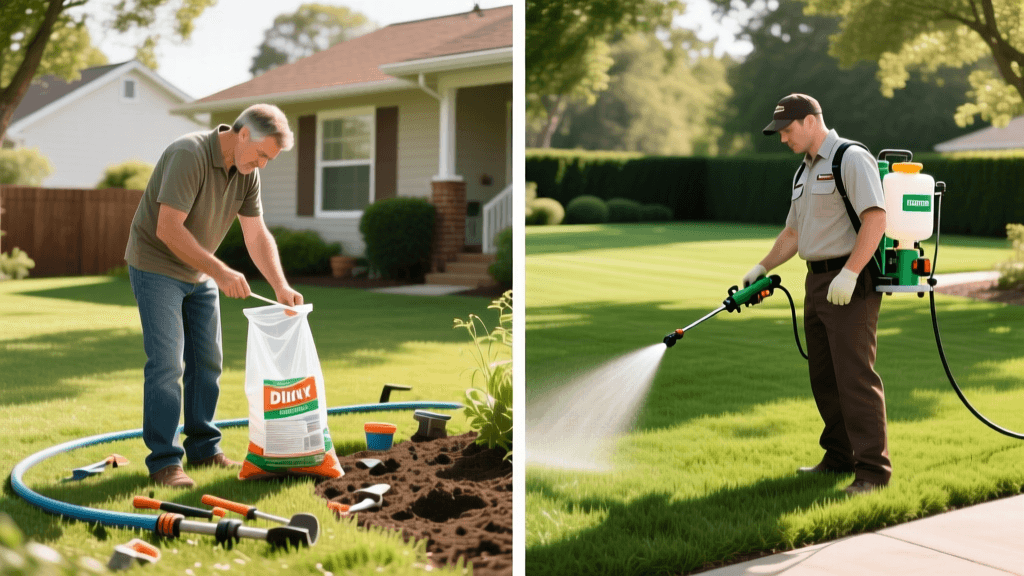
- Pump Sprayer: A Chapin 2-Gallon or 4-Gallon pump sprayer for liquid herbicides costs around $25 to $45.
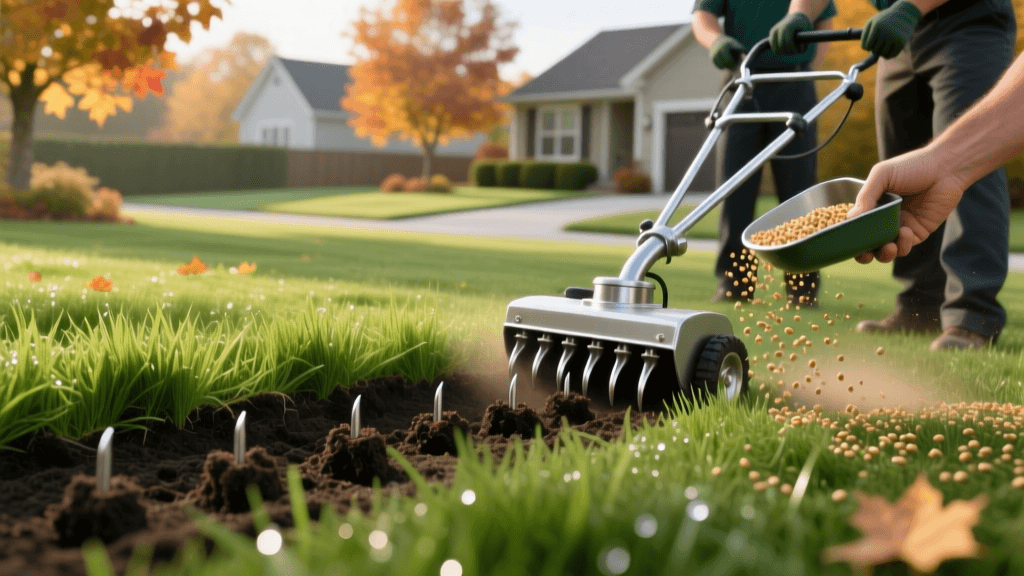
- Core Aerator (Rental): Purchasing an aerator is impractical for most. Renting a walk-behind core aerator from a local hardware store typically costs $75 to $100 per day.
Total Initial DIY Equipment Cost: $840 - $1,265
Annual Consumables and Chemicals
Once you have the equipment, you must budget for annual consumables. Savvy DIYers buy commercial-grade chemicals online rather than overpriced retail consumer brands. Here is an annual breakdown for a 5,000 sq. ft. lawn:
- Pre-Emergent Herbicide: Prodiamine 65 WDG. A $55 bottle covers over 40,000 sq. ft. Your annual cost for 5,000 sq. ft. is roughly $7.00.
- Post-Emergent Herbicide: SpeedZone Southern or Tenacity. A $65 bottle yields multiple gallons of mix. Annual cost: $10.00.
- Fertilizer (4 Applications): Using a mix of Milorganite (organic) and Lesco Starter Fertilizer (synthetic). Expect to spend about $25 per application. Annual cost: $100.00.
- Overseeding & Topdressing: Jonathan Green Black Beauty Ultra seed ($85 for 15 lbs) and peat moss/compost ($50). Annual cost: $135.00.
- Fuel & Maintenance: Gas, oil, trimmer line, and mower blade sharpening. Annual cost: $80.00.
Total Annual DIY Consumables Cost: $332.00
The Cost of Professional Lawn Care Services
If the idea of mixing chemicals, calibrating spreaders, and spending your Saturday mornings mowing sounds unappealing, professional services are the answer. However, convenience comes at a premium. Pricing varies wildly based on your region, the reputation of the company, and the specific treatments required.
Standard Mowing and Maintenance
According to industry pricing data from HomeGuide, the national average cost for a standard lawn mowing service (including trimming and blowing) is between $45 and $80 per visit. Assuming a 30-week mowing season, you are looking at $1,350 to $2,400 annually just for cutting the grass.
Fertilization and Weed Control Programs
Most homeowners hire national chains like TruGreen or Lawn Doctor, or local turf specialists, for chemical applications. A standard 5-to-7 step fertilization and weed control program for a 5,000 sq. ft. lawn typically costs between $400 and $650 per year. This generally includes pre-emergents, broadleaf weed control, and granular fertilizers.
A La Carte Professional Services
Core aeration and overseeding are rarely included in standard programs. Hiring a professional to aerate and overseed a 5,000 sq. ft. lawn will cost between $250 and $450, depending on the quality of the seed they use and whether they include a starter fertilizer application.
Annual Cost Comparison: DIY vs. Professional (5,000 Sq. Ft. Lawn)
To visualize the budget differences, review the comparison table below. Note that the DIY Year 1 cost includes equipment amortization, while subsequent years only reflect consumables and rentals.
| Service Category | DIY Annual Cost | Professional Annual Cost |
|---|---|---|
| Mowing, Edging, & Blowing | $80 (Fuel/Maintenance) | $1,800 ($60/visit x 30) |
| Fertilization & Weed Control | $117 (Chemicals) | $550 (Average Program) |
| Core Aeration & Overseeding | $220 (Rental + Seed) | $350 (Service + Seed) |
| Equipment Purchase (Year 1 Only) | $1,000 (Amortized) | $0 |
| Total Year 1 Cost | $1,417 | $2,700 |
| Total Year 2+ Cost | $417 | $2,700 |
Hidden Costs and Budgeting Pitfalls
When building your lawn care budget, beware of hidden costs that can derail your financial plans. For DIYers, the biggest pitfall is misapplication of chemicals. Burning your lawn with too much synthetic fertilizer or killing your grass with an improperly mixed herbicide can result in hundreds of dollars spent on emergency reseeding, topsoil, and water bills to keep new seed alive.
For those hiring professionals, the hidden cost often lies in contract auto-renewals and upcharges. Many national companies offer a low teaser rate for the first application, only to raise the price for subsequent visits. Furthermore, grubs, fungus, and severe drought stress usually require specialized treatments (like fungicides or grub preventatives) that are billed as expensive add-ons outside the standard contract.
Expert Advice: The Role of Soil Testing
Whether you choose the DIY route or hire a professional, the single most important budgeting tool at your disposal is a comprehensive soil test. Guessing what your lawn needs is a fast way to waste money on unnecessary amendments.
'According to the University of Minnesota Extension, proper soil testing can reduce unnecessary fertilizer applications by up to 30%, saving homeowners money while protecting local watersheds from nutrient runoff. A standard soil test reveals exact pH levels and macronutrient deficiencies, allowing for precise, cost-effective treatment plans.'
A soil test from a university extension office or a private lab like Logan Labs costs between $25 and $40. This minor upfront investment tells you exactly how much lime, sulfur, or specific N-P-K fertilizer ratio you need, preventing you from buying products your soil does not actually require.
Final Verdict: How to Choose
Choose the DIY route if: You view lawn care as a rewarding hobby rather than a chore. You have the physical ability to push a mower and the patience to learn about turfgrass science, calibrate equipment, and follow seasonal schedules. The financial savings in Year 2 and beyond are substantial, often exceeding $2,000 annually compared to full-service professional care.
Choose a Professional service if: Your time is more valuable than your money. If you work long hours, travel frequently, or simply despise yard work, outsourcing is worth the premium. To budget smartly as a homeowner, consider a hybrid approach: hire a mowing crew for the heavy lifting during the hot summer months, but purchase a tailored DIY fertilization program (like Sunday or a custom Lesco regimen) to handle the chemical applications yourself.
Ultimately, the best lawn care budget is one that aligns with your lifestyle, your local climate, and your financial goals. By understanding the true costs outlined above, you can make an informed decision that keeps both your lawn and your wallet healthy.