Lawn Care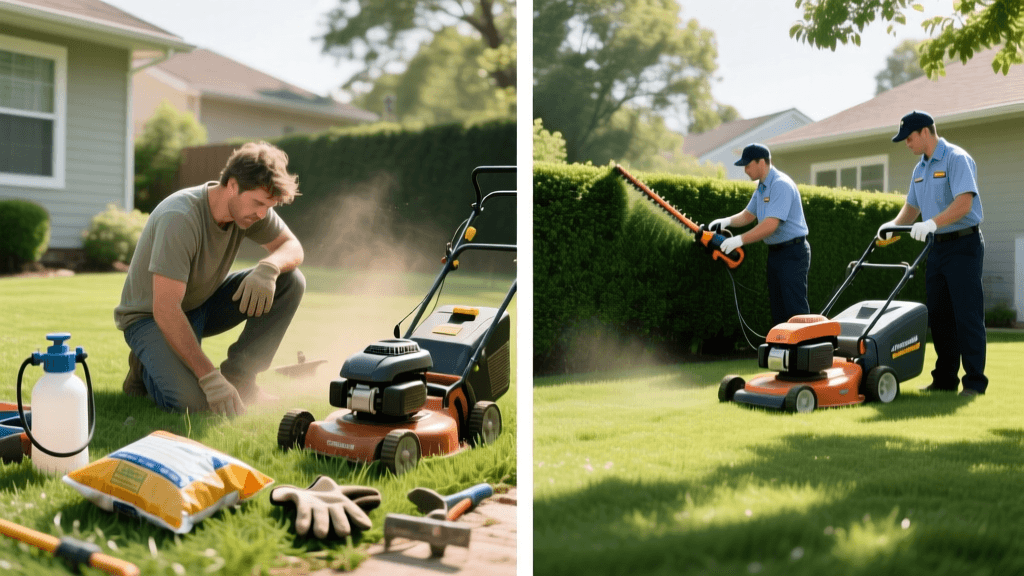
DIY vs Pro Lawn Care: The Ultimate Cost Breakdown
The Financial Reality of a Perfect Lawn
Achieving a lush, emerald-green lawn is a common goal for many homeowners, but maintaining that pristine outdoor space requires a significant investment of either time or money. When planning your annual landscaping budget, the most critical decision you will face is whether to tackle the work yourself or hire a professional lawn care service. Both routes have distinct financial implications, hidden costs, and long-term impacts on your property value. In this comprehensive cost and budgeting guide, we will break down the exact expenses associated with DIY lawn maintenance versus professional landscaping services for an average 5,000-square-foot suburban lawn. By understanding these numbers, you can make an informed decision that aligns with your financial goals and lifestyle.
Breaking Down DIY Lawn Care Costs
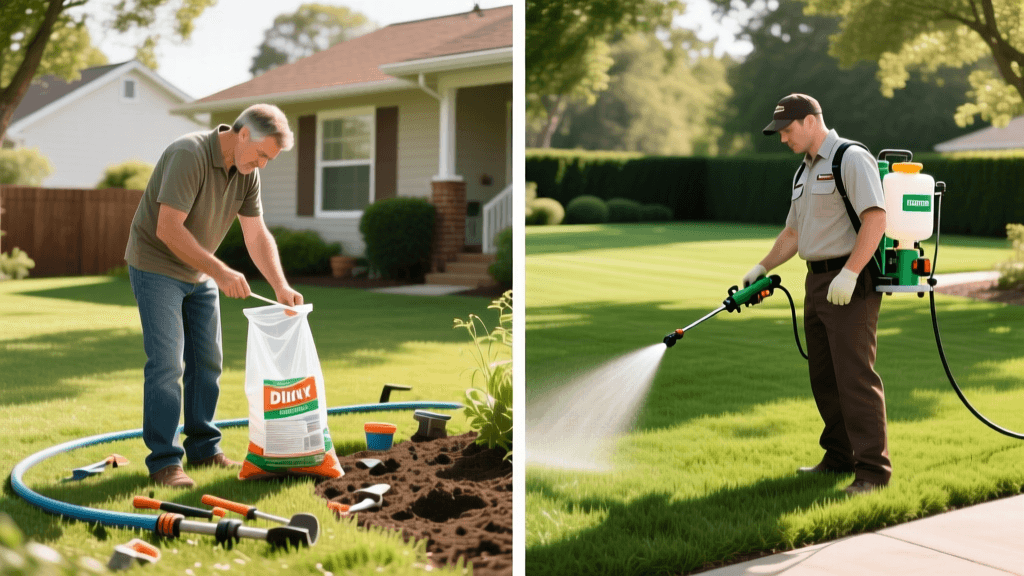
The do-it-yourself approach is often perceived as the cheaper alternative, but this is only true if you ignore the initial capital expenditure required for quality equipment and the ongoing cost of materials. To maintain a 5,000-square-foot lawn properly, you cannot rely on subpar tools. You need a reliable rotary mower, a string trimmer for edging, a broadcast spreader for even fertilizer application, and potentially a core aerator for soil health.
Capital Equipment Expenses
If you are starting from scratch, outfitting your garage with the necessary lawn care equipment will require a substantial upfront budget. A high-quality, self-propelled gas or battery-powered mower from brands like Honda, Toro, or EGO typically ranges from $350 to $600. A commercial-grade string trimmer, such as the Echo SRM-225, will cost around $200. You will also need a broadcast spreader like the Scotts EdgeGuard Mini (approximately $60) and a basic lawn roller or manual aerator. Over a five-year period, the amortized cost of this equipment is roughly $200 to $300 per year, assuming you perform basic maintenance like blade sharpening, oil changes, and winterization.
Annual Material and Chemical Costs
Beyond equipment, your lawn requires a steady diet of nutrients and protection from pests. A standard four-step fertilizer and weed control program for a 5,000-square-foot lawn requires about four to five bags of premium granular fertilizer (such as Milorganite or Scotts Turf Builder) per season. At an average of $25 per bag, your annual fertilizer budget will be around $100 to $125. If you choose to overseed in the fall with high-quality Kentucky Bluegrass or Tall Fescue seed, expect to spend an additional $75 to $100 for 10 to 15 pounds of seed. Add in pre-emergent crabgrass preventers, grub control, and broadleaf weed killers, and your annual chemical and material budget will easily reach $250 to $350.
The Price Tag of Professional Lawn Care Services
Hiring a professional landscaping company shifts the burden of labor, equipment maintenance, and chemical application to trained experts. Professional services typically offer two main tiers of care: routine mowing and comprehensive turf management programs. According to the National Association of Landscape Professionals (NALP), the average cost for weekly mowing, edging, and blowing for a standard suburban lot ranges from $45 to $65 per visit. Over a typical 30-week mowing season, this equates to $1,350 to $1,950 annually.
For comprehensive turf management—which includes seasonal fertilization, weed control, grub prevention, and sometimes core aeration—companies usually charge based on the square footage of your turf. For a 5,000-square-foot lawn, a full-season agronomic program typically costs between $350 and $550 per year. Therefore, a fully outsourced lawn care budget (mowing plus chemical treatments) will generally fall between $1,700 and $2,500 annually. While this is significantly higher than the out-of-pocket material costs of DIY, it completely eliminates the need to purchase, store, and maintain expensive equipment.
Head-to-Head Cost Comparison Chart
To visualize the financial differences, review the estimated annual costs for maintaining a 5,000-square-foot lawn below. This table assumes the DIY homeowner already owns basic equipment and only factors in annual operating, material, and replacement costs.
| Expense Category | DIY Lawn Care (Annual) | Professional Service (Annual) |
|---|---|---|
| Mowing & Trimming Labor | $0 (Your Time) | $1,350 - $1,950 |
| Equipment Fuel & Maintenance | $75 - $120 | $0 (Included in Service) |
| Fertilizer & Weed Control | $100 - $150 | $350 - $550 |
| Overseeding & Soil Amendments | $75 - $120 | $150 - $300 |
| Equipment Replacement Fund | $150 - $250 | $0 |
| Total Estimated Annual Cost | $400 - $640 | $1,850 - $2,950 |
Hidden Costs That Ruin Lawn Budgets
When budgeting for lawn care, homeowners frequently overlook the hidden expenses that can derail their financial plans. For DIY enthusiasts, the most common hidden cost is water. Maintaining a lush lawn during the heat of summer requires approximately 1 to 1.5 inches of water per week. Depending on your local municipal water rates, irrigating a 5,000-square-foot lawn can add $150 to $300 to your summer utility bills. Additionally, DIYers often miscalculate the cost of equipment repairs. A single damaged mower deck or a flooded carburetor from using ethanol-heavy gasoline can result in a $100 repair bill that wipes out a season's worth of fertilizer savings.
On the professional side, hidden costs often appear in the form of contract add-ons. Many base-level landscaping contracts do not include leaf removal, spring cleanups, or specialized treatments like fungicide applications for brown patch disease. Always read the fine print of a landscaping proposal to ensure that aeration, dethatching, and seasonal cleanups are either included or explicitly quoted as add-on services.
Expert Insights on Lawn Budgeting
To maximize your lawn care budget, experts universally recommend starting with a soil test before purchasing any fertilizers. Applying the wrong nutrients is not only a waste of money but can also harm local waterways.
'A comprehensive soil test is the most cost-effective investment a homeowner can make. By spending $15 to $20 on a university extension soil analysis, you can avoid spending hundreds of dollars on unnecessary phosphorus or nitrogen applications, ensuring your budget is directed only toward the amendments your soil actually lacks.' - Penn State Extension, Department of Plant Science
Furthermore, the University of Minnesota Extension notes that proper mowing practices—such as never removing more than one-third of the grass blade at a time and leaving clippings on the lawn—can reduce your annual nitrogen fertilizer requirements by up to 25 percent. This practice, known as 'grasscycling,' is a free way to stretch your lawn care budget significantly.
Seasonal Budgeting Timeline
Effective lawn budgeting requires anticipating expenses throughout the year. Here is a seasonal timeline to help you allocate funds appropriately:
- Spring (March - May): Budget for pre-emergent crabgrass preventers (apply when forsythia bushes bloom), mower tune-ups, blade sharpening, and the first application of high-nitrogen fertilizer.
- Summer (June - August): Prepare for peak water usage. Budget for grub control applications and potential fungicide treatments if your region experiences high humidity and heat stress.
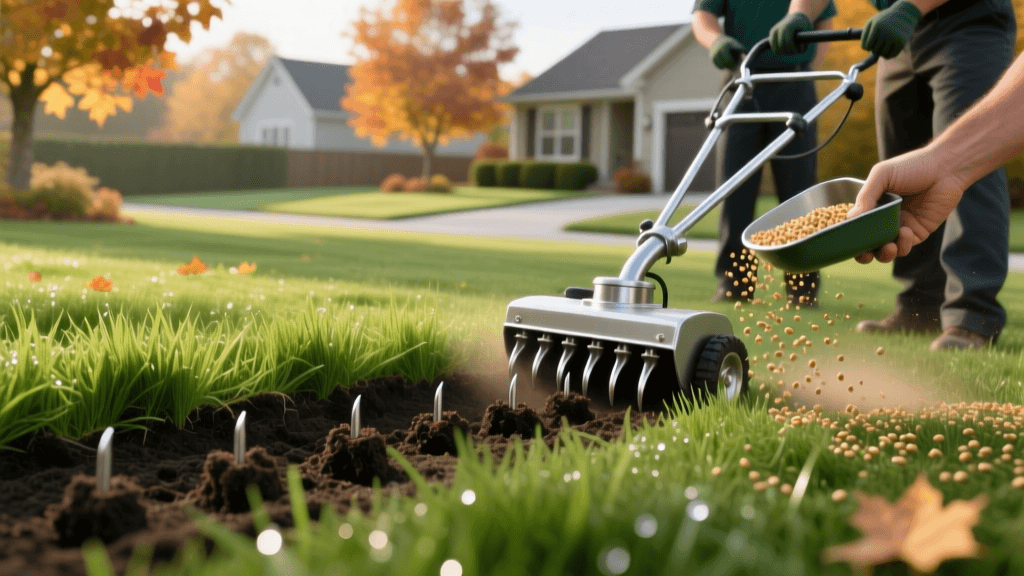
- Fall (September - November): This is the most expensive season for DIY lawn renovations. Budget heavily for core aeration (renting a machine costs $80-$100 for four hours), premium grass seed, and winterizer fertilizers high in potassium.
- Winter (December - February): Allocate funds for equipment winterization (fuel stabilizers, battery removal) and, if applicable, snow removal services or snowblower maintenance.
How to Decide: Which Route is Right for Your Budget?
Choosing between DIY and professional lawn care ultimately comes down to valuing your time versus your disposable income. If you enjoy outdoor physical labor, have adequate storage space for equipment, and want to keep your annual out-of-pocket expenses under $700, the DIY route is highly rewarding. However, if you travel frequently, work long hours, or struggle with the physical demands of pushing a mower and hauling fertilizer bags, outsourcing to a professional is a worthwhile investment that guarantees a consistently manicured property.
Final Thoughts on Lawn Care Budgeting
A beautiful lawn does not necessarily require an unlimited budget; it requires strategic planning and consistent execution. Whether you choose to sweat it out with a spreader and mower or write a check to a local landscaping crew, understanding the true costs involved will prevent sticker shock and ensure your turf remains the envy of the neighborhood for years to come. Start by testing your soil, map out your seasonal expenses, and commit to a maintenance schedule that respects both your lawn's biological needs and your personal financial boundaries.