Pest Control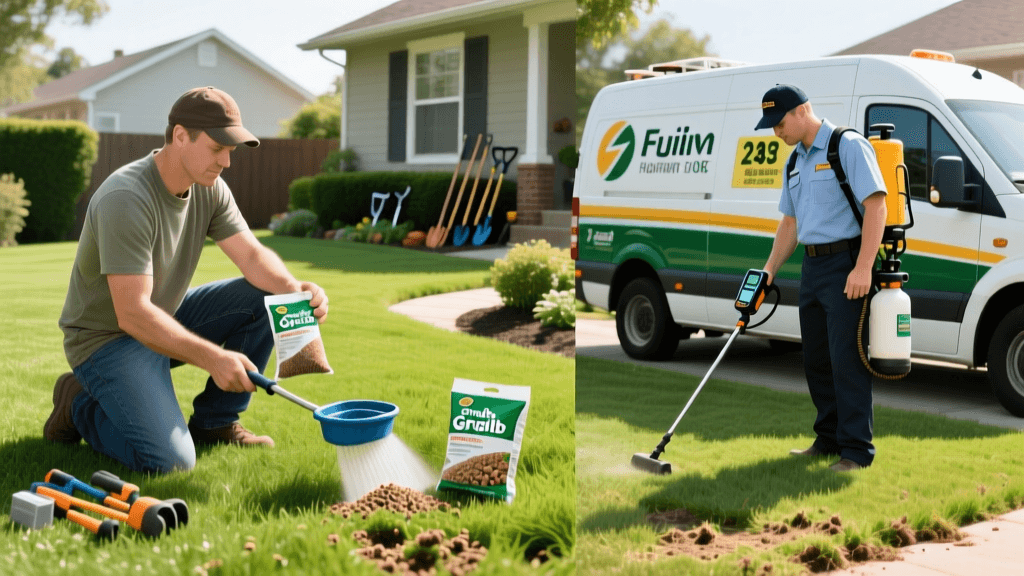
DIY vs Professional Grub Control: Cost and Budget Guide
The True Cost of a Grub Infestation
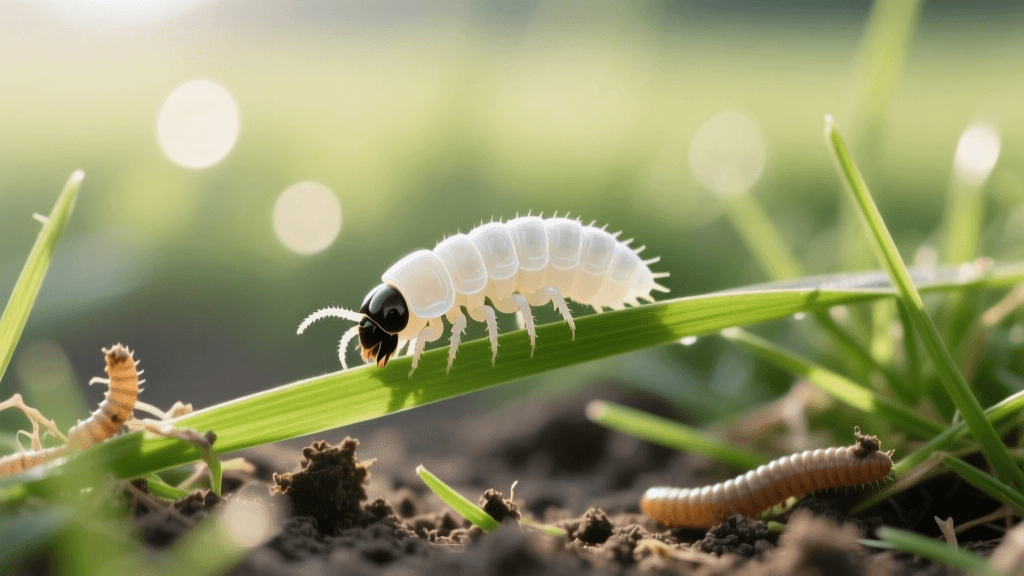
White grubs, the larval stage of scarab beetles such as Japanese beetles, June bugs, and European chafers, are among the most destructive lawn pests in North America. They feed aggressively on grassroots, severing the turf from its soil base. The result is spongy, brown, dead patches that can be rolled back like a carpet. When budgeting for lawn care, many homeowners overlook grub control until the damage is done. However, the cost of repairing a grub-damaged lawn—factoring in topsoil, grass seed, straw, water, and labor—can easily exceed $300 to $500 for a standard 5,000-square-foot lawn. In contrast, proactive grub management is a fraction of the price. This comprehensive cost and budgeting guide breaks down the expenses of DIY versus professional grub control, helping you make an informed, cost-effective decision for your landscape.
Integrated Pest Management: Scouting Before You Spend
Before allocating any budget to chemical or organic treatments, it is crucial to adopt an Integrated Pest Management (IPM) approach. IPM emphasizes scouting and identifying pest thresholds before taking action. Treating a lawn that does not have a damaging grub population is a waste of money and introduces unnecessary chemicals into the environment.
According to Penn State Extension, 'Scouting is the most important step in grub management. A threshold of 5 to 10 grubs per square foot is generally required to justify a curative treatment.'
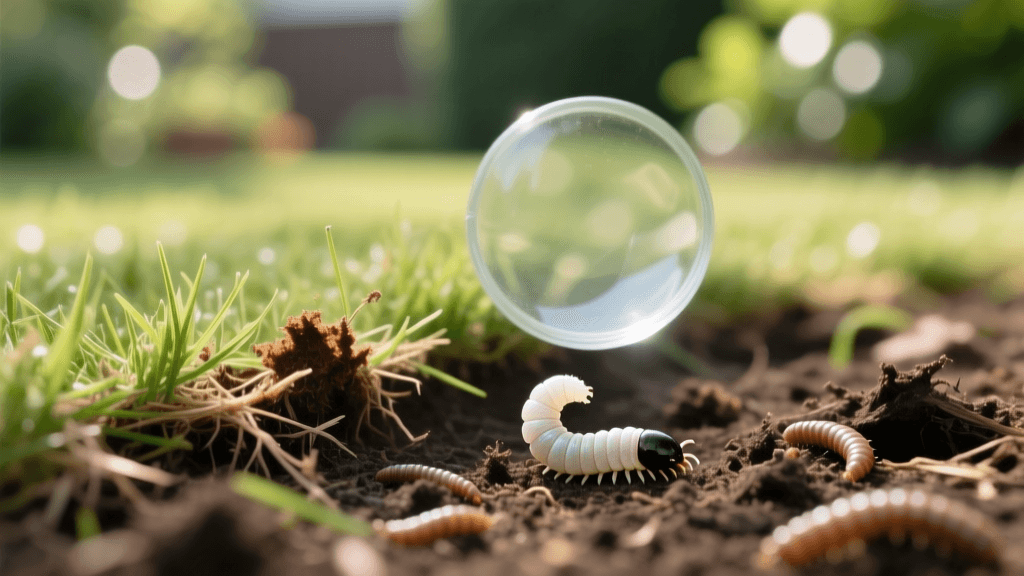
To scout, use a flat-edged spade to cut a one-square-foot section of turf about two inches deep and peel it back. Count the C-shaped, white grubs in the soil and on the roots. If you find fewer than five grubs per square foot, your lawn can likely tolerate the feeding, and you can save your budget for other lawn care needs. If you exceed the threshold, it is time to evaluate your treatment options and their associated costs.
Breakdown of DIY Grub Control Costs
Do-it-yourself grub control is highly cost-effective, provided you have the time and willingness to apply the products correctly. DIY treatments are generally divided into three categories: preventative, curative, and organic/biological.
1. DIY Preventative Treatments
Preventative treatments target young grubs as they hatch in mid-to-late summer. These products must be applied in late spring or early summer (April to June) before the eggs hatch. The most common and effective active ingredient for homeowners is Chlorantraniliprole, widely sold under the brand name Scotts GrubEx1.
- Product Cost: A 15-pound bag of Scotts GrubEx1 covers 5,000 square feet and typically costs between $25 and $30.
- Cost per 10,000 sq ft: $50 to $60.
- Application Requirement: Must be watered in with at least 1/2 inch of water immediately after application to activate the ingredient and move it into the root zone.
Another preventative option is Imidacloprid (often found in Bayer Advanced products), which costs roughly $20 to $25 for a 5,000-square-foot coverage. While slightly cheaper, Imidacloprid has a shorter residual window and must be applied closer to the hatching period (late June to July).
2. DIY Curative Treatments
If you missed the preventative window or scout in late August and find an active, damaging infestation of mature grubs, you need a curative treatment. The gold standard for curative DIY control is Trichlorfon, commonly sold as Dylox 6.2.
- Product Cost: A 10-pound bag of Dylox 6.2 covers approximately 5,000 square feet and costs between $15 and $20.
- Cost per 10,000 sq ft: $30 to $40.
- Application Requirement: Dylox degrades rapidly in sunlight and alkaline water. It must be watered in immediately with 1/4 inch of water and provides rapid knockdown (within 24 to 48 hours).
3. DIY Organic and Biological Treatments
For homeowners strictly budgeting for organic lawn care, biological controls are the primary option. These methods are generally more expensive upfront but offer unique long-term value.
- Milky Spore (Paenibacillus popilliae): Specifically targets Japanese beetle grubs. A 20-ounce dispenser tube covering 5,000 square feet costs around $60 to $85. While the initial investment is high, Milky Spore establishes in the soil and can provide control for 10 to 15 years, making the annualized cost incredibly low.
- Beneficial Nematodes (Heterorhabditis bacteriophora): Microscopic worms that hunt and kill grubs. A pack covering 5,000 square feet costs $35 to $45. Nematodes must be refrigerated before use, applied in the evening to avoid UV damage, and require consistent soil moisture. They are an annual expense but are highly effective and safe for earthworms.
The Cost of Professional Grub Control Services
Hiring a professional lawn care company removes the labor, equipment, and guesswork from the equation. Professionals have access to commercial-grade active ingredients like Acelepryn (Chlorantraniliprole at higher concentrations) and advanced curative chemicals like Allectus.
Professional grub control is rarely sold as a standalone service; it is usually bundled into a comprehensive 5-to-7-step annual lawn care program. However, if priced a la carte or as an add-on, the costs are as follows:
- Standalone Preventative Application: $75 to $125 for a 5,000-square-foot lawn.
- Standalone Curative Application: $90 to $150, depending on the severity of the infestation and the specific chemicals required.
- Bundled Annual Program: $400 to $800 per year for a 10,000-square-foot lawn, which includes grub prevention alongside fertilization and broadleaf weed control.
Cost Comparison Chart: DIY vs. Professional
The following table compares the average costs for treating a standard 5,000-square-foot lawn across different methodologies.
| Treatment Type | Active Ingredient / Method | Avg Cost (5,000 sq ft) | Best Application Window | Longevity |
|---|---|---|---|---|
| DIY Preventative | Chlorantraniliprole (GrubEx) | $25 - $30 | April - May | 4-6 Months |
| DIY Curative | Trichlorfon (Dylox) | $15 - $20 | August - September | 2-4 Weeks |
| DIY Organic | Milky Spore Powder | $60 - $85 | Spring or Fall | 10-15 Years |
| DIY Biological | Beneficial Nematodes (Hb) | $35 - $45 | Late Summer | 1 Season |
| Professional | Commercial Preventative | $75 - $125 | April - June | 1 Season |
Hidden Costs and Equipment Investments
When budgeting for DIY pest control, homeowners often forget the hidden costs of equipment and utilities. To apply granular products like GrubEx or Dylox evenly, you need a quality broadcast spreader. A basic drop or broadcast spreader costs between $40 and $100. If you are using liquid curative treatments or applying liquid nematodes, a 1-to-2-gallon pump sprayer or a hose-end sprayer ($20 to $40) is required.
Additionally, water is a hidden variable. Both preventative and curative granular treatments require immediate irrigation to wash the active ingredient off the grass blades and into the soil where the grubs feed. Watering a 5,000-square-foot lawn with 1/2 inch of water requires roughly 300 gallons of water. Depending on your local municipal water rates, this can add $2 to $5 to your application cost. If you are on a well system, the cost is primarily the electricity to run the pump, but you must ensure your well can sustain the output without running dry.
Finally, consider the value of your time. Sourcing the product, calibrating your spreader, applying the treatment, and managing the irrigation system will take roughly 1.5 to 2 hours. If your time is highly valued or you have physical limitations, the premium paid for a professional service quickly becomes a justifiable expense.
How to Budget for Year-Round Grub Prevention
To effectively manage your lawn care budget, integrate grub control into an annual calendar rather than treating it as an emergency expense. Here is a sample budgeting timeline for a 10,000-square-foot lawn using a DIY preventative approach:
- Early Spring (March-April): Budget $50-$60 for Chlorantraniliprole (GrubEx). Purchase during early spring sales at big-box hardware stores to lock in the lowest price.
- Mid-Spring (May): Allocate time and water budget for application. Apply the preventative before soil temperatures consistently reach 70°F.
- Late Summer (August): Conduct IPM scouting. Dig up a one-square-foot plug. If grubs are below the threshold (under 5 per sq ft), spend $0. If above, budget $30-$40 for a curative Dylox application.
- Fall (September-October): If organic, budget $120-$170 for Milky Spore application. Apply once, and remove this line item from your budget for the next decade.
Making the Final Financial Decision
Ultimately, the choice between DIY and professional grub control hinges on your available time, comfort with handling pesticides, and overall lawn care philosophy. DIY preventative treatments offer the highest return on investment, costing roughly $0.005 per square foot. This is vastly cheaper than the $0.04 to $0.06 per square foot cost of professional applications, and exponentially cheaper than the $0.10+ per square foot cost of autumn lawn renovation and reseeding due to neglected grub damage. By understanding the life cycle of the pests, utilizing IPM scouting methods, and purchasing the correct active ingredients at the right time of year, you can protect your turf and your wallet simultaneously.