Lawn Care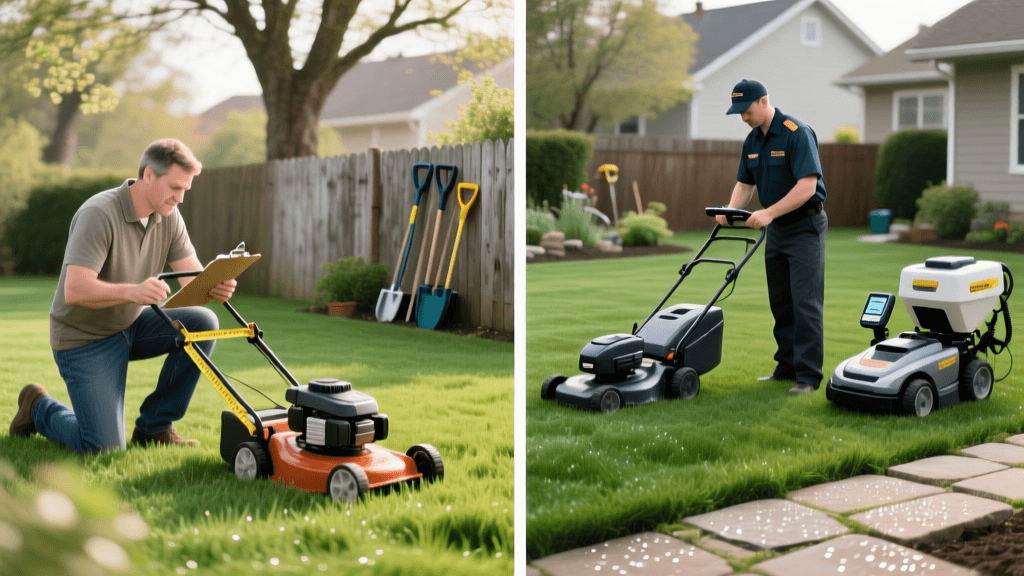
DIY vs Professional Lawn Care: Annual Cost Breakdown
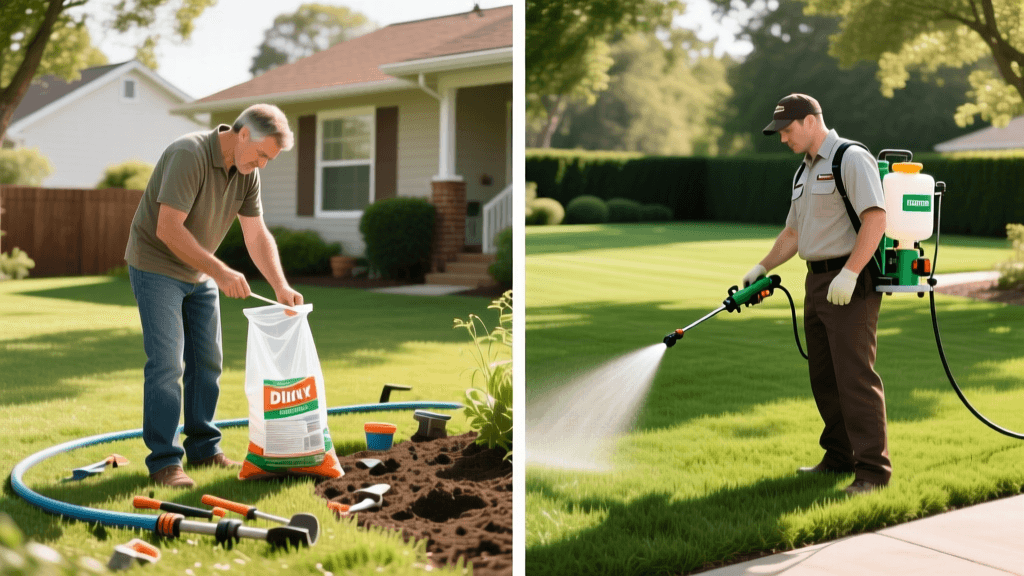
The Financial Dilemma: DIY vs. Hiring a Pro
Every spring, homeowners face a familiar crossroads: should I maintain the lawn myself, or hire a professional landscaping service? The decision is rarely just about time; it is deeply rooted in household budgeting and financial planning. According to industry data from HomeAdvisor, the average homeowner spends between $100 and $200 per month on routine lawn care. However, this broad average obscures the nuanced differences between the upfront capital expenditures of the DIY route and the recurring operational costs of professional services.
Whether you are managing a cool-season Kentucky Bluegrass lawn in the Northeast or a warm-season Bermuda grass yard in the South, understanding the true cost of lawn maintenance is essential. This comprehensive budgeting guide breaks down the expenses associated with mowing, fertilization, weed control, aeration, and seasonal cleanup to help you make the most financially sound decision for your property.
Breaking Down DIY Lawn Care Costs
Choosing the do-it-yourself route is often perceived as the budget-friendly option. While it eliminates the markup of professional labor, DIY lawn care requires significant upfront capital investment and ongoing material purchases. To accurately budget for a DIY approach, we must divide costs into two categories: capital equipment and consumable materials.
Capital Equipment Expenses
If you are starting from scratch, the initial equipment outlay can be steep. For a standard quarter-acre to half-acre lot (approximately 5,000 to 10,000 square feet of actual turf), you will need the following baseline equipment:
- Self-Propelled Gas or Battery Mower: $350 to $600. Battery-operated models are gaining popularity due to lower long-term maintenance costs, though premium gas models remain a staple.
- String Trimmer and Edger: $150 to $250 for a reliable battery-powered combo kit.
- Leaf Blower: $100 to $150.
- Broadcast Spreader: $40 to $80 for even application of seed and fertilizer.
- Core Aerator (Manual or Tow-Behind): $60 for a manual step aerator, or $150+ for a tow-behind model if you own a riding mower.
Total initial equipment investment: $700 to $1,230. It is important to factor in a 5% annual maintenance budget for equipment upkeep, including blade sharpening, oil changes, string trimmer line, and battery replacements.
Consumables and Materials
Once equipped, your annual budget must account for the materials required to keep the grass healthy. Based on a 5,000 square foot lawn, expect the following annual material costs:
- Fertilizer (4 applications): $120 to $180. High-quality, slow-release granular fertilizers cost roughly $30 to $45 per bag, with each bag covering up to 5,000 square feet.
- Weed Control (Herbicides): $40 to $75. This includes a pre-emergent crabgrass preventer in the spring and a selective post-emergent spray for broadleaf weeds like dandelions.
- Overseeding and Topdressing: $60 to $120 for high-quality turf-type tall fescue or Kentucky bluegrass seed, plus the cost of compost if topdressing.
- Irrigation and Water Bills: $150 to $300+ during peak summer months, depending on local municipal water rates and rainfall patterns.
Understanding Professional Lawn Care Pricing
Hiring a professional lawn care company shifts your financial burden from capital expenditures to predictable operational expenses. Most companies offer tiered service packages, allowing you to customize your budget based on your lawn's specific needs.
Mowing and Routine Maintenance
Professional mowing services typically charge per visit. For a 5,000 square foot lawn, expect to pay $40 to $60 per week. Over a standard 30-week mowing season, this equates to $1,200 to $1,800 annually. This price usually includes mowing, string trimming, edging, and blowing off hard surfaces.
Fertilization and Weed Control Programs
Lawn care companies generally sell fertilization and weed control as an annual contract consisting of 5 to 7 scheduled visits. The national average for this service ranges from $400 to $600 per year for a quarter-acre lot. The benefit here is commercial-grade product access and professional calibration, which eliminates the risk of fertilizer burn caused by DIY miscalculations.
Specialty Services: Aeration and Overseeding
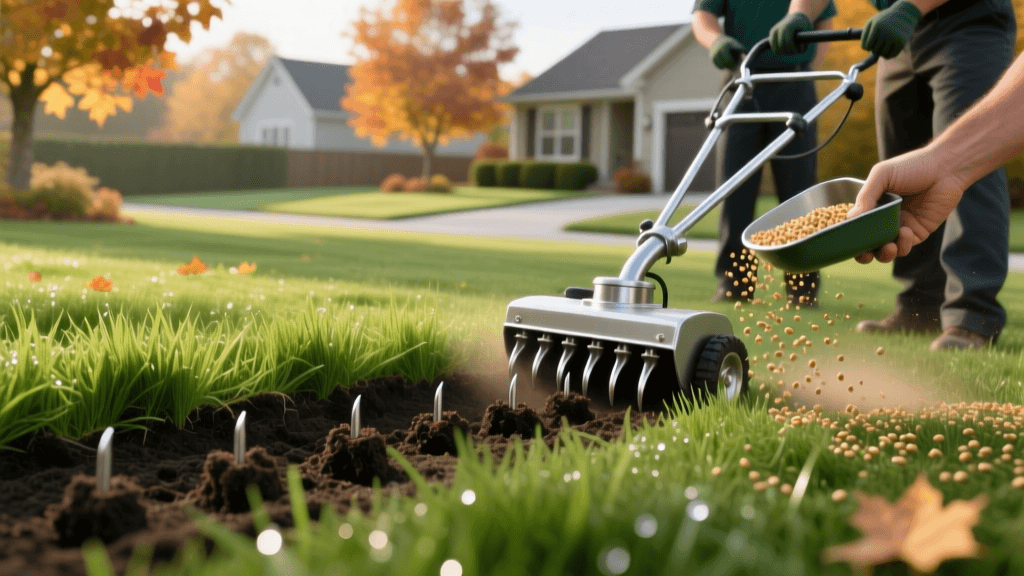
Fall aeration and overseeding are critical for cool-season grasses. Professionals charge between $150 and $250 for this service, which includes the use of commercial-grade core aerators, premium seed, and the labor-intensive process of preparing the soil canopy.
Annual Cost Comparison: 5,000 Square Foot Lawn
To provide a clear financial picture, the following table compares the estimated first-year and ongoing annual costs of DIY versus Professional lawn care for a standard 5,000 square foot property.
| Service Category | DIY First-Year Cost | DIY Ongoing Annual Cost | Professional Annual Cost |
|---|---|---|---|
| Equipment Purchase | $850.00 | $50.00 (Maintenance) | $0.00 |
| Mowing (30 weeks) | $60.00 (Fuel/Charging) | $60.00 | $1,400.00 |
| Fertilizer & Weed Control | $220.00 | $220.00 | $500.00 |
| Aeration & Overseeding | $180.00 (Rental + Seed) | $180.00 | $200.00 |
| Irrigation (Water Bill) | $250.00 | $250.00 | $250.00 |
| Total Estimated Cost | $1,560.00 | $760.00 | $2,350.00 |
Note: DIY costs do not factor in the monetary value of your time. If you value your weekend time at $30 per hour, and lawn care takes 2 hours per week for 30 weeks, the hidden 'time cost' of DIY is $1,800 annually.
The Hidden Costs of DIY: Time, Mistakes, and Storage
When building a lawn care budget, spreadsheets often fail to capture the hidden costs of the DIY approach. The most significant factor is the time tax. Mowing, trimming, edging, and blowing can easily consume two to three hours every weekend during the growing season. Furthermore, seasonal tasks like spring cleanup, fall leaf removal, and winterizing irrigation systems demand entire weekends of physical labor.
Another hidden cost is the error tax. Turfgrass management requires a basic understanding of soil chemistry and grass biology. Misapplying pre-emergent herbicides can prevent grass seed from germinating, while over-applying nitrogen fertilizer can result in severe lawn burn, forcing you to spend hundreds of dollars on emergency reseeding and topsoil. Additionally, homeowners must factor in the cost of storage space, fuel stabilization, and the environmental cost of disposing of old motor oil and batteries.
The Hybrid Approach: Maximizing Your Budget
For many homeowners, the most financially sound strategy is a hybrid approach. This involves handling the routine, low-skill tasks yourself while outsourcing the specialized, equipment-heavy services to professionals.
- DIY Mowing and Trimming: Invest in a high-quality battery-powered mower and trimmer. This provides weekend exercise, keeps the weekly budget low, and eliminates the noise and fumes of gas equipment.
- Outsource Fertilization and Weed Control: Hiring a professional for a 5-step chemical program ($400-$500/year) guarantees commercial-grade results, removes the liability of chemical handling, and frees up your weekends.
- Outsource Fall Aeration: Renting a core aerator is physically demanding and requires a truck or trailer for transport. Paying a professional $150 for aeration and overseeding is often cheaper than the combined cost of equipment rental, fuel, seed, and physical exhaustion.
Expert Advice on Soil Testing and Fertilizer Budgets
One of the most effective ways to reduce your annual lawn care budget is to stop guessing what your soil needs. According to the Penn State Extension, routine soil testing is the cornerstone of economical and environmentally responsible turfgrass management. By sending a soil sample to a university extension laboratory (typically costing $10 to $15), homeowners receive a precise prescription for lime and fertilizer requirements.
'Soil testing eliminates the guesswork from lawn care. Applying fertilizers without a soil test not only wastes money but can lead to nutrient runoff, which harms local waterways and violates environmental best practices.' — Penn State Extension, Department of Plant Science
By following extension guidelines, homeowners can avoid purchasing unnecessary 'weed and feed' products or excessive phosphorus, redirecting those funds toward high-quality grass seed or smart irrigation controllers that reduce water bills by up to 20%.
Conclusion: Choosing the Right Path for Your Wallet
Ultimately, the choice between DIY and professional lawn care comes down to how you value your time versus your disposable income. If you enjoy outdoor physical activity and have the upfront capital to purchase quality equipment, the DIY route offers substantial long-term savings, with ongoing annual costs hovering around $750. However, if your weekends are precious and you prefer a guaranteed, manicured result without the hassle of equipment maintenance and chemical calibration, budgeting $2,000 to $2,500 annually for a professional service is a worthwhile investment in your home's curb appeal and your own peace of mind.