Tree Care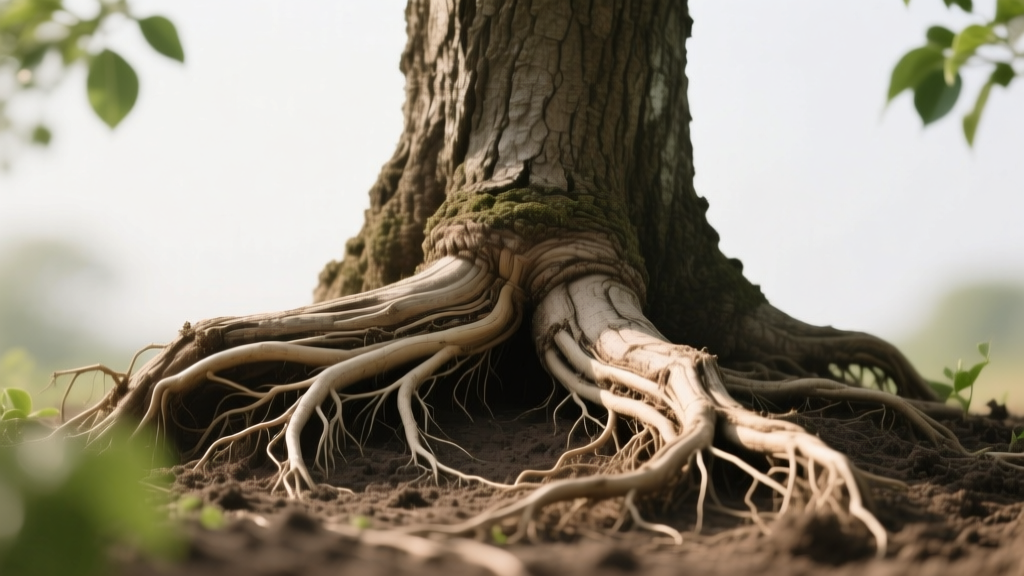
Photographing Girdling Roots at Root Flare: A 2026
The Critical Role of Visual Documentation in Tree Health
In the modern era of urban forestry and home landscaping, the health of your trees often depends on what is happening beneath the soil surface. As we move through 2026, tele-arboriculture and remote consultations have become standard practice. Homeowners and garden enthusiasts are increasingly relied upon to act as the 'eyes on the ground' for certified arborists. Nowhere is this more critical than in the identification and treatment of girdling roots at the root flare. By mastering the art of garden photography and meticulous visual documentation, you can provide arborists with the precise data they need to diagnose issues, prescribe air-spade excavations, and monitor long-term recovery without requiring multiple expensive on-site visits.
Documenting tree health is not just about taking a quick snapshot with your smartphone. It requires an understanding of botanical anatomy, proper lighting techniques for shaded canopy environments, and a systematic approach to creating a visual health journal. This guide will walk you through the exact methods for photographing girdling roots, preparing the root flare for documentation, and tracking the success of root pruning treatments over time.
Understanding the Root Flare and Girdling Root Anatomy
Before you can effectively photograph a tree's base, you must understand what you are looking for. The root flare, also known as the trunk flare, is the area at the base of the tree where the trunk transitions into the root system and widens as it enters the soil. A healthy root flare resembles the bell of a trumpet, with structural roots radiating outward like spokes on a wheel.
Girdling roots are roots that wrap around the trunk or other structural roots, effectively choking the tree. According to The Morton Arboretum, these roots compress the xylem and phloem tissues located just beneath the bark, restricting the upward flow of water and nutrients, as well as the downward flow of photosynthates. Over time, this leads to canopy dieback, premature autumn coloring, and structural instability.
When documenting the root flare, your photographic goal is to capture the physical intersection where the rogue root crosses or wraps around the main trunk or a primary structural root. You are looking for the 'choke point,' the indentation in the bark, and the abnormal swelling above the girdle.
Essential Photography Gear for Root Zone Documentation in 2026
You do not need a professional DSLR setup to document tree health in 2026, but you do need specific tools to overcome the challenging lighting and spatial constraints of the root zone.
- Smartphone with Macro Capabilities: Flagship 2026 smartphones feature dedicated macro lenses and computational focus-stacking. This allows you to capture the intricate bark textures and root intersections with edge-to-edge sharpness, which is vital for remote arborist diagnosis.
- Portable LED Light Panels: The root flare is often shrouded in deep shade by the tree's own canopy. A portable, color-accurate LED panel (such as the Aputure MC Pro or similar 2026 pocket-sized bi-color lights) allows you to paint the shadows and reveal the three-dimensional topography of the roots.
- Soft-Bristle Excavation Brushes: To document the root flare, you must first expose it. Use a soft-bristle brush or a gentle stream of water to remove loose soil and mulch without damaging the delicate cambium layer.
- Scale Reference and Color Checker: A small photographic scale ruler or a standard color checker card is essential. It provides the remote arborist with a sense of scale and ensures the colors in your image are true to life, helping them assess bark health and necrosis.
Step-by-Step Guide to Photographing the Root Flare
Proper documentation requires a methodical approach. Follow these steps to create a comprehensive visual record of the tree's base.
Step 1: Expose the Root Flare
Remove any mulch, volcanic mounding, or accumulated topsoil from the base of the tree. The University of Minnesota Extension emphasizes that the root flare must be visible to properly assess tree health and identify girdling roots. Use a hand trowel to carefully loosen the soil, then switch to your soft-bristle brush to sweep it away from the trunk.
Step 2: Set Up Your Lighting
Position your portable LED light at a 45-degree angle to the root intersection. This 'raking light' technique creates micro-shadows in the bark crevices, highlighting the severity of the root's compression against the trunk. Avoid using your phone's built-in flash, as it will wash out the details and create harsh, unhelpful reflections.
Step 3: Compose the Shot List
Take a series of photos ranging from wide to extreme close-up. Ensure your scale reference is placed in the same focal plane as the girdling root. Use your smartphone's macro mode to capture the exact point where the root is cutting into the bark. If your device supports it, enable focus stacking to ensure both the trunk and the wrapping root are in sharp focus.
The Arborist Consultation Shot List
When submitting your documentation to a certified arborist or uploading it to a 2026 garden health app, ensure you have captured the following specific angles. This structured approach eliminates guesswork and speeds up the treatment planning process.
| Shot Type | Purpose | Camera Setting / Technique |
|---|---|---|
| Wide Context | Shows the tree's overall placement, canopy health, and surrounding landscape grading. | Standard wide lens, eye-level, natural daylight. |
| Trunk Profile | Reveals the 'flat side' of the trunk or missing root flare caused by internal girdling. | Mid-range zoom, camera placed at ground level looking slightly up. |
| Root Flare Overview | Displays the entire excavated base, showing the radial root pattern and major circling roots. | Top-down angle (bird's-eye view), even LED lighting, include scale ruler. |
| Macro Choke Point | Details the exact compression damage, bark splitting, and cambium exposure at the intersection. | Macro lens mode, focus stacked, raking side-light to emphasize depth. |
Documenting the Treatment Process
Once an arborist has reviewed your initial documentation and prescribed treatment, your role as a garden documentarian shifts to tracking the intervention. In 2026, the standard treatment for severe girdling roots involves air-spade excavation and precise root pruning. The costs for this specialized service typically range from $900 to $1,800, depending on the tree's size and the complexity of the root mass.
When the arborist arrives, document the 'during' phase. Photograph the air-spade in action, as the compressed air safely removes soil without cutting live roots. Once the roots are fully exposed, take a new set of overview and macro photos. This is crucial for your records, as it shows exactly which roots were severed and which were left intact to support the tree.
After the pruning cuts are made, photograph the clean cuts. A proper root pruning cut should be made just outside the branch collar or the point where the girdling root originates, using sterilized, sharp hand pruners or a folding saw. Avoid leaving stubs, which can become entry points for decay organisms.
Tracking Recovery: The Digital Tree Health Journal
Post-treatment documentation is an ongoing process that spans several years. Trees do not heal in the human sense; they compartmentalize damage and grow new tissue over the wound. Your photographic journal will track the formation of callus tissue over the pruning cuts and the gradual re-establishment of a healthy root flare.
Utilize modern garden journaling applications that support GPS tagging, timestamp metadata, and custom categorization. Create a dedicated profile for the treated tree. Set calendar reminders to photograph the root flare every six months—once in the spring after the soil has settled, and once in the late autumn after leaf drop.
When taking follow-up photos, attempt to replicate the exact angles, lighting, and scale references used in your original 'before' photos. This visual consistency allows you to create time-lapse comparisons, making it easy to spot subtle improvements in canopy density, bark coloration, and callus roll formation. By maintaining a rigorous photographic record, you not only protect your investment in the tree's health but also contribute valuable data to the broader understanding of urban tree care and root management in the 21st century.
Conclusion
Identifying and treating girdling roots at the root flare is a vital component of proactive tree care. By combining botanical knowledge with modern photographic techniques, you empower yourself to make informed decisions and collaborate effectively with arborists. Whether you are using the advanced macro features of a 2026 smartphone or a dedicated camera setup, the key to successful documentation lies in consistency, proper lighting, and a meticulous attention to detail. Start building your visual tree health journal today, and ensure your landscape's most valuable assets thrive for decades to come.