
Landscaping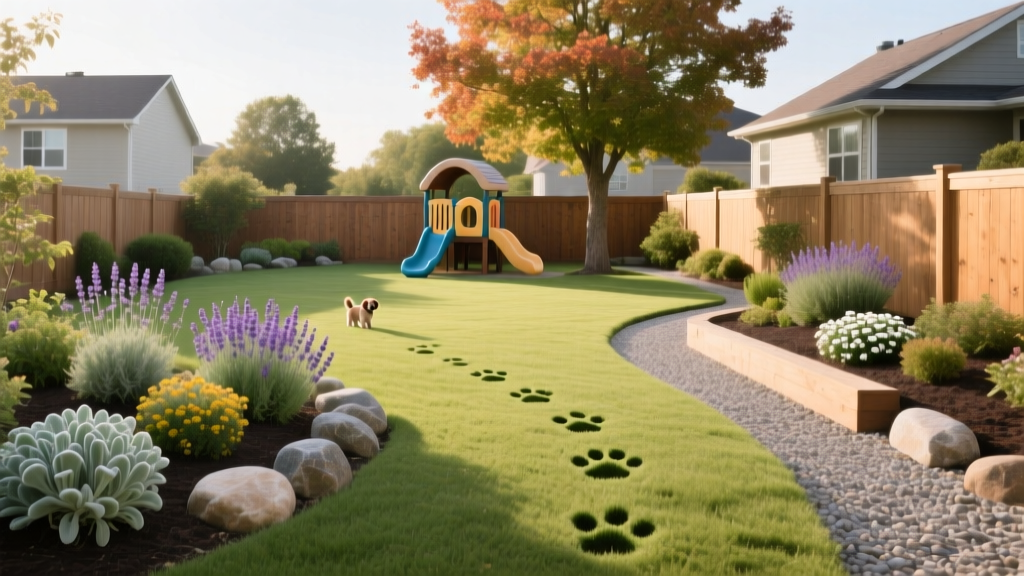
The Ultimate Dog-Friendly and Kid-Safe Landscape Design Guide
Sarah ChenPublished
Introduction to Family-Friendly Landscaping
Designing a landscape that caters to both your aesthetic preferences and the practical needs of your family and pets can feel like a daunting task. Children need safe, open spaces to run and explore, while dogs require durable surfaces that can withstand heavy traffic, digging, and frequent bathroom breaks. A poorly planned yard can quickly turn into a muddy, patchy, and potentially hazardous environment. However, with strategic landscape design principles, you can create a stunning outdoor oasis that is both beautiful and resilient.
Creating a pet-friendly and kid-safe yard involves more than just picking out colorful flowers. It requires a comprehensive approach that encompasses durable turf selection, non-toxic softscaping, safe hardscaping materials, and intelligent zoning. In this comprehensive guide, we will break down the essential elements of family-friendly landscaping, providing you with actionable advice, specific product recommendations, and cost estimates to help you transform your outdoor space into a safe haven for your loved ones and furry companions.
Choosing Durable, Pet-Friendly Turf and Groundcovers
The foundation of any family-friendly yard is the groundcover. Traditional Kentucky Bluegrass, while beautiful, often struggles to survive the wear and tear caused by running children and digging dogs. When selecting a turfgrass or alternative groundcover, you must prioritize traffic tolerance, rapid recovery, and urine resistance.
Top Turfgrass Options for High Traffic
According to the University of Minnesota Extension, selecting the right turfgrass for your specific climate and usage patterns is critical for long-term lawn health. Here is a comparison of the best grass types for active families:
| Grass Type | Climate Zone | Traffic Tolerance | Recovery Rate | Estimated Sod Cost |
|---|---|---|---|---|
| Tall Fescue | Cool-Season | High | Moderate | $0.50 - $0.80 / sq ft |
| Bermudagrass | Warm-Season | Very High | Very Fast | $0.40 - $0.70 / sq ft |
| Zoysia | Warm-Season | High | Slow | $0.60 - $1.00 / sq ft |
| Perennial Ryegrass | Cool-Season | High | Moderate | $0.45 - $0.75 / sq ft |
Tall Fescue is an excellent choice for transitional and cool-season zones. Its deep root system makes it drought-tolerant and highly resistant to dog urine burns compared to other cool-season grasses. Bermudagrass is the undisputed champion of warm-season lawns for high traffic; its aggressive stolon and rhizome growth allows it to heal from divots and heavy foot traffic rapidly.
Alternative Groundcovers
If maintaining a traditional lawn is too burdensome, consider Microclover or White Clover. Clover is incredibly durable, stays green during droughts without supplemental watering, and naturally fixes nitrogen in the soil, reducing the need for fertilizers. For shaded areas where grass refuses to grow, Creeping Thyme or Irish Moss provide soft, fragrant, and durable carpets that are entirely safe for bare feet and paws.
Selecting Non-Toxic Plants for Curious Kids and Pets
Children and dogs explore the world with their hands and mouths, making plant toxicity a primary concern in family-friendly landscape design. Many common ornamental plants contain alkaloids, glycosides, or other compounds that can cause severe gastrointestinal distress, neurological issues, or even fatal organ failure if ingested.
The ASPCA's Toxic and Non-Toxic Plants list is an indispensable resource for any homeowner. Before purchasing any shrub, tree, or perennial, cross-reference it with this database. Below is a quick reference guide to common landscape plants:
| Safe, Family-Friendly Plants | Highly Toxic Plants to Avoid |
|---|---|
| Snapdragons (Antirrhinum) | Sago Palm (Cycas revoluta) |
| Boston Fern (Nephrolepis exaltata) | Oleander (Nerium oleander) |
| Spider Plant (Chlorophytum comosum) | Castor Bean (Ricinus communis) |
| Roses (Rosa spp. - watch for thorns) | Azaleas & Rhododendrons |
| Sunflowers (Helianthus annuus) | Lily of the Valley (Convallaria majalis) |
Design Tip: If you already have toxic plants in your yard, you do not necessarily need to remove them all. Instead, use physical barriers like decorative wire cloches, raised garden beds, or dense thorny barriers (like barberry or rugosa roses) to prevent children and pets from accessing the toxic foliage.
Safe Hardscaping and Fencing Solutions
Hardscaping provides the structural bones of your landscape, but the wrong materials can pose serious physical hazards. Dark-colored stones, asphalt, and certain metals can absorb intense heat during the summer, reaching temperatures high enough to burn a dog's paw pads or a child's bare feet within seconds.
Pet-Safe Paving and Mulch
Opt for light-colored, reflective hardscaping materials. Light sandstone, pale flagstone, and light-colored concrete pavers stay significantly cooler in direct sunlight. For pathways and play areas, avoid sharp, angular gravel like crushed granite, which can lodge in paws and scrape knees. Instead, use smooth river rock, pea gravel, or decomposed granite compacted with a stabilizer to create a firm, smooth surface.
When it comes to mulch, never use cocoa bean mulch. The Environmental Protection Agency (EPA) and veterinary toxicologists frequently warn against cocoa mulch, as it contains theobromine—the same compound found in chocolate that is highly toxic and potentially fatal to dogs. Instead, choose cedar mulch, pine bark, or natural hardwood mulch. Cedar has the added benefit of naturally repelling fleas and ticks due to its aromatic oils.
Secure and Strategic Fencing
A secure perimeter is non-negotiable for families with dogs. The height and style of your fence should dictate the size and agility of your pet. Large, athletic breeds like Huskies or German Shepherds require a minimum 6-foot privacy fence to prevent jumping and climbing. For small dogs, a 4-foot fence is usually sufficient, but you must ensure the gaps between pickets or chain links are no wider than 3 inches to prevent head entrapment.
To prevent escape artists from digging under the fence, install an L-footer. This involves burying chicken wire or hardware cloth 12 inches deep and bending it outward into the yard in an 'L' shape, then covering it with soil or mulch. When a dog digs at the fence line, they hit the wire barrier and naturally stop.
Designating Play and Potty Zones
One of the most effective landscape design principles for families is 'zoning.' By dedicating specific areas of the yard to specific activities, you can protect your pristine garden beds and lawn while giving kids and pets the freedom to be messy.
The Dog Run and Potty Area
Train your dog to use a designated potty area located in a discreet, shaded corner of the yard. Line this area with pea gravel or artificial turf designed specifically for pets (which features superior drainage and antimicrobial infill). Install a small, covered receptacle nearby for easy waste disposal. To protect your garden beds from digging, build a dedicated digging pit. Construct a simple 4x4 foot wooden frame, fill it with play sand, and bury your dog's favorite toys inside to encourage them to dig there instead of in your flower beds.
Kids' Play Zones and Fall Safety
For swing sets, climbing frames, and trampolines, safety surfacing is critical. Grass and dirt do not provide adequate shock absorption for falls. The Consumer Product Safety Commission recommends a minimum of 9 to 12 inches of loose-fill surfacing material under play equipment. Engineered Wood Fiber (EWF) or **shredded rubber mulch** are the best choices, as they interlock to provide a stable, wheelchair-accessible surface while offering excellent fall attenuation.
Sustainable and Safe Lawn Care Practices
Maintaining a lush, green lawn often tempts homeowners to reach for synthetic fertilizers, broadleaf herbicides, and chemical pesticides. However, these products can leave harmful residues on grass blades that are easily ingested by grooming pets or absorbed through the skin of barefoot children.
Transitioning to an organic lawn care regimen is safer for your family and better for the local ecosystem.
- Fertilizers: Use slow-release, organic fertilizers like Milorganite or Espoma Organic Lawn Food. These feed the soil microbes and release nutrients gradually, preventing the rapid, weak growth spikes associated with synthetic nitrogen.
- Weed Control: Apply Corn Gluten Meal in early spring as a natural pre-emergent herbicide to prevent crabgrass and dandelion seeds from germinating. For existing weeds, manual extraction or spot-treating with horticultural vinegar (20% acetic acid) are safer alternatives to glyphosate.
- Pest Management: Instead of chemical grub killers, apply Beneficial Nematodes (specifically Heterorhabditis bacteriophora) to your lawn in late summer. These microscopic worms naturally seek out and destroy grub larvae without harming earthworms, pets, or humans.
Conclusion
Creating a dog-friendly and kid-safe landscape does not mean sacrificing beauty or elegance. By selecting traffic-tolerant turfgrasses like Tall Fescue or Bermuda, rigorously avoiding toxic plants like Sago Palm and Oleander, and utilizing safe hardscaping materials like light-colored flagstone and cedar mulch, you can build a yard that thrives under the joyful chaos of family life. Implement smart zoning to contain the mess, embrace organic lawn care to eliminate chemical exposure, and always prioritize secure fencing. With thoughtful planning and the right materials, your outdoor space will become a safe, sustainable, and beautiful extension of your home where every member of the family can safely play and relax.

