
Landscaping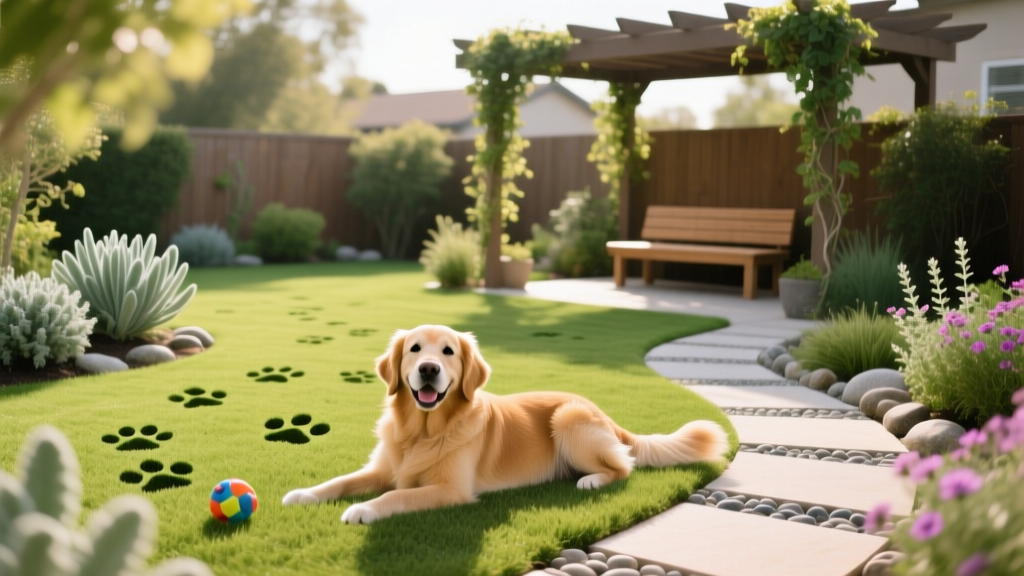
Designing a Dog-Friendly Landscape: Safe Plants & Durable Lawns
Anna KowalskiPublished
Creating the Ultimate Pet and Family-Friendly Landscape
Designing a yard that balances pristine curb appeal with the chaotic joy of dogs and children is one of the most common challenges in modern landscaping. A truly family-friendly landscape must withstand heavy foot traffic, resist digging, and provide a safe environment free from toxic flora and hazardous materials. Whether you are installing a new lawn, renovating garden beds, or building outdoor living spaces, integrating pet-safe and child-safe design principles from the start will save you time, money, and frustration.
In this comprehensive guide, we will explore the best turfgrass varieties for high-traffic zones, how to design functional hardscaping for potty and play areas, and which plants to embrace or avoid to keep your furry friends and children safe.
Choosing the Right Turfgrass for High Traffic
Standard ornamental grasses often turn into muddy, patchy messes when subjected to the daily zoomies of a golden retriever or the cleats of a soccer-playing child. To maintain a lush, green lawn, you must select turfgrass species known for their deep root systems and rapid recovery rates.
Warm-Season Grasses
If you live in a southern or transitional climate, Bermudagrass is your best ally. Specifically, cultivars like 'TifTuf' Bermudagrass have been bred for exceptional drought tolerance and wear resistance. Bermudagrass spreads via stolons and rhizomes, meaning it can quickly heal bare spots caused by dog urine or heavy play. Zoysiagrass is another excellent warm-season option; its dense, carpet-like growth chokes out weeds and feels soft on bare paws and feet, though it recovers from damage slightly slower than Bermuda.
Cool-Season Grasses
For northern climates, Tall Fescue is the undisputed champion of family yards. According to Penn State Extension, turf-type tall fescues possess deep roots that help them survive summer droughts and resist the nitrogen burn often caused by dog urine. When overseeding a damaged lawn, apply tall fescue seed at a rate of 5 to 10 pounds per 1,000 square feet in the early fall, and keep the soil consistently moist until germination occurs within 10 to 14 days.
Clover Lawns: A Sustainable Alternative
Micro-clover is rapidly gaining popularity in sustainable landscaping. It stays green during droughts, requires zero nitrogen fertilizer (it fixes its own from the air), and is highly resistant to the yellow spotting caused by dog urine. Mixing 5% micro-clover seed into your existing fescue lawn can dramatically improve its durability and ecological value.
Hardscaping and Ground Covers: Potty and Play Zones
Even the most durable grass will struggle to survive in a concentrated dog potty area. The secret to a pristine yard is 'zoning'—designating specific areas for elimination, play, and relaxation using hardscaping materials that are safe for paws and easy to clean.
The Danger of Cocoa Bean Mulch
When selecting mulch for garden beds, never use cocoa bean mulch. Derived from the same plant as chocolate, cocoa mulch contains theobromine and caffeine, which are highly toxic to dogs if ingested. Instead, opt for natural, undyed cedar or pine bark mulch. Cedar has the added benefit of naturally repelling fleas and ticks due to its aromatic oils.
Building a Dedicated Potty Area
Construct a designated potty zone in a discreet corner of the yard. Use smooth pea gravel (sized between 1/8 and 3/8 of an inch) or decomposed granite. Avoid sharp crushed stone or large river rocks, which can harbor bacteria and hurt sensitive paw pads. For optimal drainage, excavate the area to a depth of 12 inches, lay down a permeable landscape fabric, and fill it with washed drainage gravel to prevent odors and muddy puddles.
Ground Cover Comparison Chart
Use the table below to select the right ground cover for different zones in your family-friendly landscape:
| Ground Cover Material | Estimated Cost per Sq. Ft. | Traffic Tolerance | Best Use Case |
|---|---|---|---|
| Tall Fescue (Seed) | $0.15 - $0.30 | High | Main play lawns, general yard |
| Bermudagrass (Sod) | $0.40 - $0.80 | Very High | High-traffic play zones, sports |
| Pea Gravel | $1.00 - $2.50 | High | Dog potty areas, drainage paths |
| Cedar Bark Mulch | $0.50 - $1.00 | Moderate | Garden beds, shaded tree rings |
| Creeping Thyme | $0.80 - $1.50 (Plugs) | Light to Moderate | Between pavers, low-traffic borders |
Selecting Pet-Safe and Family-Safe Flora
Curious puppies and toddlers frequently explore the world with their mouths, making plant selection a critical safety issue. Many common ornamental plants are highly toxic and can cause severe gastrointestinal distress, neurological issues, or even death if ingested.
Plants to Avoid
The ASPCA's Toxic and Non-Toxic Plants database highlights several popular landscape plants that must be kept out of family yards. Avoid planting Sago Palms (highly toxic to the liver), Oleander (contains deadly cardiac glycosides), Azaleas, Rhododendrons, and Foxglove. Additionally, many bulb plants like Tulips, Daffodils, and Lilies pose severe risks to pets, particularly cats, though dogs are also susceptible to their toxic compounds.
Safe and Beautiful Alternatives
You do not have to sacrifice color and texture for safety. Excellent pet-safe alternatives include:
- Snapdragons (Antirrhinum majus): Provide vibrant vertical color and are completely non-toxic.
- Camellias: Beautiful, evergreen shrubs with stunning blooms that are safe for dogs and cats.
- Sunflowers: Fast-growing, dramatic, and entirely safe for children and pets.
- Boston Ferns: Perfect for shaded, humid corners of the yard or patio containers.
Utilizing Raised Beds for Edibles
If you want to grow vegetables or delicate flowers, use raised cedar planter boxes. To keep medium-to-large dogs from trampling your crops, build raised beds that are at least 24 to 36 inches high. Fill them with a mix of 60% topsoil, 30% compost, and 10% coco coir for optimal drainage and organic growing conditions.
Fencing, Boundaries, and Dig-Proofing
A family-friendly yard is only as safe as its perimeter. According to the American Kennel Club (AKC), proper fencing is essential not just for keeping pets in, but for keeping wildlife and neighborhood hazards out.
Height and Gap Specifications
For most dog breeds, a 6-foot privacy fence is recommended to prevent jumping. If you are using a wrought-iron or aluminum fence, ensure the vertical gaps are no wider than 2 inches to prevent small dogs or toddlers from squeezing through or getting their heads stuck.
The L-Footer Technique for Diggers
If you have a terrier or hound that loves to excavate beneath the fence line, standard landscaping fabric will not suffice. Instead, install an 'L-footer'. Bury a strip of heavy-gauge galvanized chicken wire or hardware cloth perpendicular to the fence, extending 12 to 24 inches inward into the yard, buried just 2 inches below the soil surface. Cover it with soil and grass seed. When the dog begins to dig, they will encounter the wire and stop, without harming their paws.
Landscape Maintenance and Natural Pest Control
Maintaining a pet-friendly yard requires a shift in landscaping practices. Avoid synthetic chemical herbicides and pesticides, which can cling to paws and fur and eventually be ingested during grooming. Instead, rely on cultural landscaping practices to keep the yard healthy and pest-free.
- Mow High: Keep your grass at least 3 to 4 inches tall. Taller grass shades the soil, retains moisture, and creates a less hospitable environment for fleas and ticks, which prefer dry, sunny, short-grass environments.
- Remove Leaf Litter: Ticks thrive in damp, shaded leaf piles. Keep the edges of your yard raked and create a 3-foot wide barrier of wood chips or gravel between wooded areas and your lawn to deter tick migration.
- Aerate Annually: Compacted soil from heavy foot traffic restricts water flow and grass root growth. Core aerate your lawn every fall to relieve compaction and improve drainage, ensuring a thicker, more resilient turf.
Pro-Tip: Install an outdoor dog-washing station near your side gate or mudroom. A simple utility sink with a detachable sprayer and a dedicated towel hook can save your indoor plumbing and floors from muddy paw prints after a rainy day in the yard.
Conclusion
Designing a pet and family-friendly landscape does not mean settling for a barren or purely utilitarian yard. By selecting high-traffic turfgrasses like Tall Fescue or Bermudagrass, utilizing safe hardscaping materials like pea gravel and cedar mulch, and carefully curating your plant palette using the ASPCA's safety guidelines, you can create an outdoor oasis that is as beautiful as it is durable. Thoughtful zoning, secure fencing, and organic maintenance practices will ensure your yard remains a safe, joyous haven for every member of your family, whether they walk on two legs or four.

