Tree Care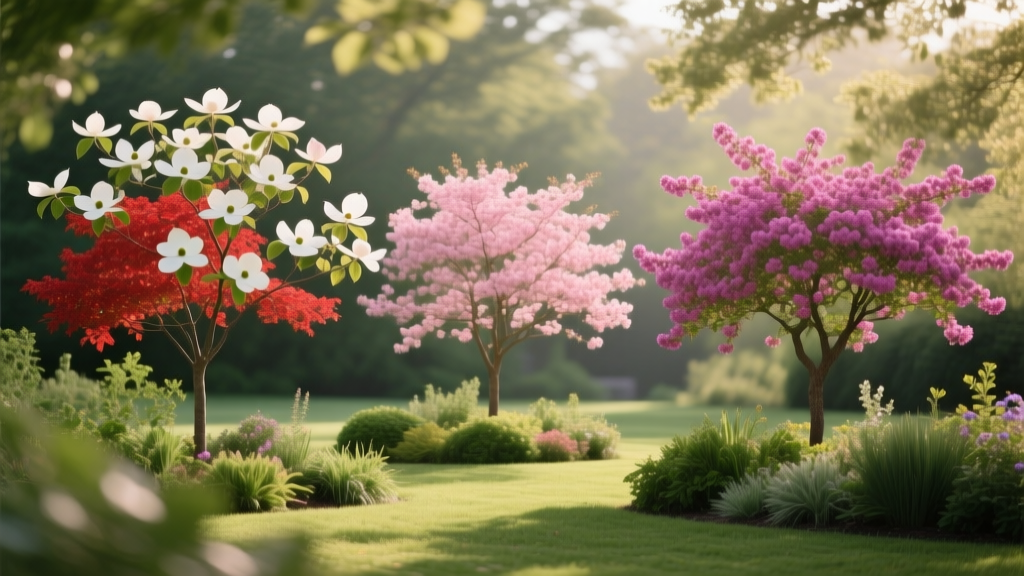
Dogwood vs Redbud vs Crape Myrtle: 2026 Foodscape Guide
Robert HayesPublished
Integrating Ornamental Trees into the 2026 Foodscape
Foodscaping has evolved dramatically by 2026, transitioning from a niche permaculture trend to a fundamental principle of modern landscape design. Homeowners and landscape architects no longer view ornamental beauty and culinary utility as mutually exclusive. Instead, the goal is to weave edible yields, pollinator support, and ecological resilience into high-end aesthetic designs. When selecting structural anchor trees for these spaces, three flowering ornamentals consistently rise to the top of the list: the Dogwood, the Eastern Redbud, and the Crape Myrtle.
But how do these classic ornamental trees perform in an edible landscape? While some offer direct culinary harvests, others provide essential microclimates, dappled shade for understory crops, and critical nectar bridges for pollinators. In this comprehensive guide, we evaluate the Dogwood, Redbud, and Crape Myrtle through the lens of a foodscaper, helping you decide which species best supports your 2026 edible garden goals.
Foodscaping in 2026 is no longer about hiding vegetable patches in the backyard; it is about seamlessly weaving culinary yields, ecological support, and structural beauty into every square foot of your property.
The Edible and Ecological Profile of Each Tree
Eastern Redbud (Cercis canadensis): The Culinary Blossom
The Eastern Redbud is a foodscaping superstar, prized not just for its breathtaking magenta spring blooms, but for its direct culinary applications. While most gardeners admire the flowers purely for their visual impact, few realize that these blossoms are entirely edible. Redbud flowers possess a mild, nutty flavor with a subtle hint of citrus, making them a premium, vibrant garnish for spring salads, artisanal vinegars, and even pickled preserves. Furthermore, the young, tender seed pods that develop in early summer can be sautéed or stir-fried much like snow peas.
Beyond human consumption, the Redbud is an ecological powerhouse. According to the NC State Extension Plant Toolbox, Redbuds are highly adaptable understory trees that bloom before their leaves fully emerge. In a 2026 foodscape, this early blooming cycle provides crucial, early-season nectar for native bees and solitary pollinators. This early pollinator support is vital for ensuring high fruit set on early-blooming edible crops like blueberries, cherries, and early apples. Redbuds also thrive in partial shade, making them perfect for the middle layers of a multi-tiered food forest.
Dogwood (Cornus kousa & Cornus mas): The Hidden Fruit Producers
When discussing dogwoods in an edible context, we must look beyond the native Flowering Dogwood (Cornus florida), whose bright red berries are strictly for the birds and can cause digestive upset in humans. Instead, the foodscaper's best allies are the Kousa Dogwood (Cornus kousa) and the Cornelian Cherry Dogwood (Cornus mas).
The Kousa Dogwood produces striking, star-shaped white bracts in late spring, followed by golf-ball-sized, raspberry-like fruits in late summer. These fruits are sweet, creamy, and excellent for making jams, jellies, or eating fresh right off the tree. The Cornelian Cherry, detailed extensively by the University of Minnesota Extension, yields tart, olive-shaped drupes that are highly prized in Eastern European cuisines for syrups, preserves, and even fermented beverages. Both species offer superior disease resistance to anthracnose and powdery mildew, a vital trait as 2026 spring humidity levels and erratic weather patterns continue to challenge traditional ornamentals.
Crape Myrtle (Lagerstroemia): The Structural Canopy for Understory Edibles
The Crape Myrtle (Lagerstroemia indica) does not offer edible flowers, leaves, or fruits. So, why include it in a foodscape? The answer lies in structural design, microclimate management, and late-season ecological support. Crape Myrtles provide a high, dappled canopy that allows filtered sunlight to reach understory edibles without completely shading them out.
In the intense heat of late summer, when cool-season crops like cilantro, lettuce, and spinach are prone to bolting, the protective shade of a Crape Myrtle canopy is invaluable. Furthermore, their legendary late-summer blooming cycle provides a crucial nectar bridge for pollinators when spring and early summer flowers have long faded. The Clemson Home & Garden Information Center highlights their exceptional drought tolerance and heat resilience once established. In 2026 permaculture designs, Crape Myrtles serve as low-water, high-impact anchor points in zones 2 and 3, creating a sheltered microclimate for more delicate, heat-sensitive herbs and greens.
2026 Foodscape Comparison Chart
To help you plan your landscape, here is a direct comparison of how these three trees function within an edible ecosystem.
| Feature | Eastern Redbud | Kousa / Cornelian Dogwood | Crape Myrtle |
|---|---|---|---|
| Direct Edibility | Flowers, young seed pods | Summer fruits (jams, fresh) | None (Structural only) |
| Shade Type | Dappled, early spring sun | Moderate, broad leaf canopy | High, filtered dappled shade |
| Pollinator Value | Early spring native bees | Mid-spring generalist insects | Late summer nectar bridge |
| Water Needs (2026) | Moderate, prefers moist soil | Moderate, drought tolerant once set | Low, highly drought resilient |
| Best Foodscape Role | Salad greens protector, garnish yield | Fruit tree alternative, jam source | Heat-shield for summer herbs |
Companion Planting: What to Grow Beneath Them
A successful foodscape relies on symbiotic companion planting. The root systems and canopy structures of your anchor trees dictate what will thrive beneath them.
Under the Redbud
- Wild Leeks (Ramps): Thrive in the early spring sun before the Redbud fully leafs out.
- Woodland Strawberries: Excellent ground cover that tolerates the shifting shade patterns.
- Chives and Garlic Chives: Their shallow roots won't compete with the Redbud, and they help deter borers.
Under the Dogwood (Kousa & Mas)
- Huckleberries and Lowbush Blueberries: Both prefer the slightly acidic, well-draining soil that Dogwoods also favor.
- Alpine Strawberries: Perfect for the dappled shade of late summer.
- Culinary Ferns (Ostrich Ferns): Harvested for fiddleheads in early spring, thriving in the woodland aesthetic.
Under the Crape Myrtle
- Mediterranean Herbs (Rosemary, Thyme, Oregano): Love the reflected heat and the dry, well-draining conditions at the tree's drip line.
- Hot Peppers: Benefit from the wind protection and dappled shade during the peak August heatwaves.
- Nasturtiums: Act as a living mulch and trap crop for aphids, keeping the Crape Myrtle's pristine bark clean.
Pruning and Maintenance for the Edible Landscape
Pruning in a foodscape differs from traditional ornamental maintenance. While an arborist might prune a Crape Myrtle for a formal, vase-shaped silhouette, a foodscaper prioritizes canopy elevation and harvest access.
For Redbuds, maintain a slightly lower branching structure if you intend to harvest the spring blossoms for culinary use. Hand-harvesting flowers is significantly easier when the lower scaffold branches are kept within six to eight feet of the ground. For Dogwoods, focus on an open-center pruning technique. This not only improves air circulation to prevent fungal diseases in humid 2026 summers but also allows you to reach the interior branches when harvesting Kousa fruits in late August. Never use shears on the delicate fruiting spurs.
For Crape Myrtles, avoid the outdated and harmful practice of 'crape murder' (severe winter topping). Instead, practice 'limbing up' or elevating the canopy. By selectively removing the lowest lateral branches, you create vertical clearance for raised beds, trellises, or dwarf fruit shrubs to be planted directly beneath the canopy without competing for headspace.
Sourcing, Soil Prep, and 2026 Planting Tips
When sourcing trees for your 2026 foodscape, prioritize local, climate-adapted nurseries that practice air-pruning. Air-pruned root systems establish significantly faster and are less prone to girdling roots, which is critical when planting in the dense, competitive soil environments typical of a layered food forest.
Before planting, conduct a comprehensive soil test. While Redbuds and Dogwoods prefer slightly acidic to neutral soil rich in organic matter, Crape Myrtles are highly adaptable and tolerate heavier clay soils, provided there is adequate drainage. Incorporate biochar and a high-quality mycorrhizal inoculant into the backfill soil. Mycorrhizal fungi will form a symbiotic network with your tree's roots, expanding their reach and allowing them to share nutrients with the surrounding edible understory plants. Mulch heavily with arborist wood chips, keeping the mulch at least three inches away from the trunk flare to prevent rot and rodent damage.
Conclusion
Choosing between a Dogwood, Redbud, and Crape Myrtle for your edible landscape does not have to be an either/or decision. By understanding their unique ecological niches, culinary offerings, and structural benefits, you can integrate all three into a cohesive, multi-seasonal foodscape. The Redbud feeds you and the early bees, the Dogwood provides a late-summer fruit harvest, and the Crape Myrtle shelters your heat-sensitive herbs. Together, they form the backbone of a resilient, beautiful, and deeply productive 2026 landscape.