Tree Care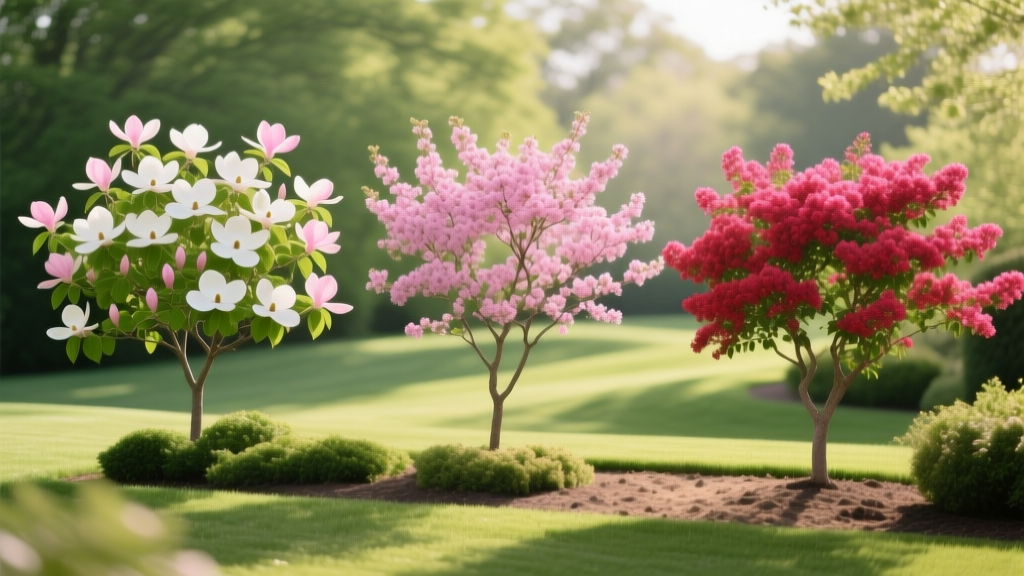
Dogwood vs Redbud vs Crape Myrtle: 2026 Planting Guide
James MillerPublished
Choosing the Perfect Ornamental Tree in 2026
As homeowners and landscape architects navigate the shifting climate zones and evolving environmental priorities of 2026, the demand for resilient, pollinator-friendly, and visually striking ornamental trees has never been higher. When designing a front yard or creating a focal point in a garden bed, three classic contenders consistently rise to the top of the list: the Flowering Dogwood, the Eastern Redbud, and the Crape Myrtle. Each of these species offers a unique seasonal display, distinct cultural requirements, and specific architectural forms. But which one is the right choice for your specific landscape?
In this comprehensive 2026 planting guide, we will break down the botanical profiles, site requirements, and long-term care protocols for dogwoods, redbuds, and crape myrtles. Whether you are dealing with heavy clay soil, intense summer heat, or shaded understory environments, understanding the nuances of these three flowering powerhouses will ensure your investment thrives for decades.
The Contenders: Botanical Profiles and 2026 Recommendations
Flowering Dogwood (Cornus florida)
The Flowering Dogwood is a beloved native understory tree celebrated for its elegant, tiered branching and spectacular spring bracts. While the true flowers are tiny and clustered in the center, the showy white or pink modified leaves (bracts) create a breathtaking canopy display in mid-spring. In 2026, landscape professionals heavily recommend planting disease-resistant cultivars or the closely related Kousa Dogwood (Cornus kousa) to combat the lingering threats of dogwood anthracnose and powdery mildew. The Stellar series and Appalachian Spring remain top-tier choices for modern landscapes. Dogwoods thrive in dappled shade and require consistently moist, well-draining, acidic soil. According to the Clemson University Cooperative Extension, maintaining a thick layer of mulch is critical to keep their shallow root systems cool during increasingly erratic summer heatwaves.
Eastern Redbud (Cercis canadensis)
If you are looking for a tree that signals the absolute end of winter, the Eastern Redbud is your champion. Before its heart-shaped leaves even begin to unfurl, the bare branches erupt in vibrant magenta, purple, or white pea-like blossoms. Redbuds are incredibly adaptable and serve as excellent small shade trees or patio specimens. Modern breeding has introduced stunning foliage variations, such as the deep purple 'Forest Pansy' and the variegated 'Rising Sun'. The NC State Extension notes that while redbuds are highly tolerant of varying soil types, they absolutely require good drainage and will quickly succumb to root rot in perpetually soggy conditions. They tolerate full sun to partial shade, making them slightly more versatile in placement than the shade-preferring dogwood.
Crape Myrtle (Lagerstroemia indica)
Often referred to as the 'Tree of 100 Days,' the Crape Myrtle dominates the summer landscape when most spring bloomers have long since faded. Available in shades of brilliant red, soft pink, lavender, and crisp white, crape myrtles also boast stunning exfoliating bark that provides striking winter interest. For 2026 plantings, experts strongly advise selecting cultivars with proven resistance to powdery mildew and the increasingly problematic Crape Myrtle Bark Scale (CMBS). 'Natchez' (white), 'Dynamite' (cherry red), and 'Tuscarora' (coral pink) remain industry standards. Unlike the dogwood and redbud, crape myrtles demand brutal, unfiltered full sun to produce their signature blooms. The Clemson HGIC emphasizes that planting them in shaded areas will result in leggy growth, poor flowering, and heightened susceptibility to fungal diseases.
Head-to-Head Comparison Chart
To help you make a rapid, informed decision for your 2026 landscape design, refer to the comparison table below. Note that average nursery pricing reflects 2026 market rates for a healthy, well-rooted 7-gallon specimen.
| Feature | Flowering Dogwood | Eastern Redbud | Crape Myrtle |
|---|---|---|---|
| Primary Bloom Season | Mid-Spring | Early Spring | Mid-to-Late Summer |
| Sunlight Requirement | Partial Shade / Dappled Sun | Full Sun to Partial Shade | Full Sun (6+ hours direct) |
| Mature Height | 15 - 30 feet | 20 - 30 feet | 15 - 25 feet (varies by cultivar) |
| Soil Preference | Acidic, moist, well-drained | Adaptable, well-drained | Adaptable, prefers loam |
| Drought Tolerance | Low (needs supplemental water) | Moderate (once established) | High (once established) |
| 2026 Avg. Cost (7-gal) | $110 - $160 | $95 - $140 | $85 - $130 |
Site Selection and Soil Preparation
Success with ornamental trees begins long before the shovel hits the dirt. In 2026, soil health is recognized as the primary driver of tree longevity. Begin by conducting a professional soil test through your local university extension office. This will dictate your pH adjustments and baseline nutrient requirements.
- For Dogwoods: If your soil pH is above 6.5, you will need to amend the broader planting zone with elemental sulfur to lower the pH. Dogwoods struggle to uptake iron in alkaline soils, leading to severe chlorosis.
- For Redbuds: Avoid low-lying areas where water pools after heavy rains. If you have heavy clay, consider planting the root ball slightly elevated (an inch or two above grade) and mounding soil around the base to ensure drainage.
- For Crape Myrtles: Choose the hottest, sunniest spot in your yard. Avoid planting near walkways or driveways where their fallen summer petals and sticky honeydew (if aphids are present) can become a slipping hazard or stain concrete.
Step-by-Step Planting Guide for 2026
Horticultural science has evolved, and outdated planting methods like digging a deep hole and amending the backfill with potting soil are now known to cause root girdling and sinking. Follow these modern best practices:
- Locate the Root Flare: Before digging, brush away the top layer of soil from the nursery pot to find the root flare (where the trunk widens into the roots). This flare MUST sit at or slightly above the final soil grade.
- Dig Wide, Not Deep: Dig a hole two to three times wider than the root ball, but no deeper. The bottom of the hole should be undisturbed, solid native soil to prevent the tree from sinking over time.
- Score the Roots: If the tree is root-bound from the nursery container, use a sterilized utility knife to score the sides and bottom of the root ball. This encourages outward root growth rather than circling, which can strangle the tree years later.
- Backfill with Native Soil: Use the exact soil you dug out of the hole to backfill around the roots. This prevents the bathtub effect, where water pools in the loose amended soil and drowns the roots.
- Water and Settle: Water thoroughly as you backfill to eliminate air pockets. Do not step heavily on the root ball, as this compacts the soil and crushes delicate feeder roots.
Ongoing Care: Watering, Mulching, and Pruning
The 3-3-3 Mulching Rule
Proper mulching is non-negotiable for newly planted ornamentals. Apply a 3-inch layer of organic hardwood mulch in a 3-foot radius around the trunk. Crucially, keep the mulch 3 inches away from the actual trunk bark. Volcano mulching traps moisture against the bark, inviting fungal cankers and rodent damage.
Watering Protocols
During the first two growing seasons, your tree relies entirely on you for hydration. Provide 10 to 15 gallons of water per week, applied slowly via a soaker hose or tree watering bag. Deep, infrequent watering encourages roots to dive deep into the soil profile, building resilience against future droughts.
Pruning Best Practices
Prune dogwoods and redbuds in late winter while they are dormant to shape the canopy and remove crossing branches. For crape myrtles, never practice crape murder (severe topping). Topping destroys the tree's natural architectural beauty, promotes weak, whip-like growth, and actually reduces the total number of summer blooms. Instead, selectively thin out interior branches to improve airflow and sunlight penetration.
Pest and Disease Management
Integrated Pest Management (IPM) strategies in 2026 focus on prevention and targeted treatments rather than broad-spectrum chemical spraying.
- Dogwood Borers and Anthracnose: Keep dogwoods stress-free with adequate water and shade. Stressed trees emit pheromones that attract borers. If anthracnose is prevalent in your region, opt for Kousa dogwoods or apply preventative fungicides in early spring.
- Redbud Canker: Prune out any dieback or sunken, discolored areas on redbud branches immediately, sterilizing your shears with 70% isopropyl alcohol between cuts to prevent spreading the fungal spores.
- Crape Myrtle Bark Scale (CMBS): This invasive pest appears as white, felt-like encrustations on the bark, often accompanied by black sooty mold. If detected, 2026 IPM guidelines recommend a systemic soil drench containing imidacloprid or dinotefuran applied in late spring, combined with a dormant horticultural oil spray in winter to smother overwintering nymphs.
Conclusion
Selecting between a dogwood, redbud, and crape myrtle ultimately comes down to your site's specific light conditions, soil drainage, and your desired season of peak interest. By matching the tree to the microclimate of your yard and adhering to modern 2026 planting and care standards, you will secure a stunning, flowering legacy that elevates your property value and supports local ecosystems for generations to come.