Tree Care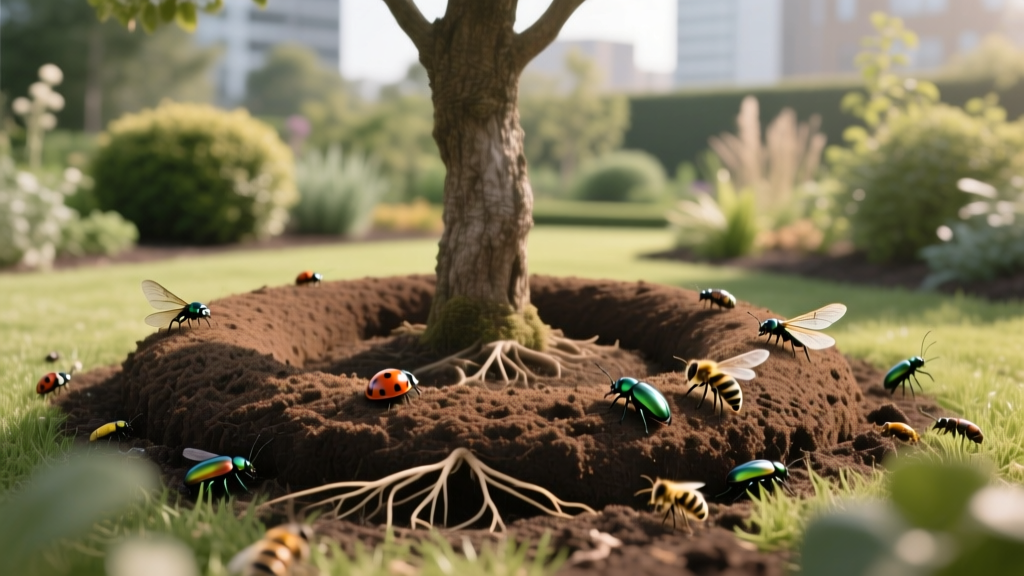
Tree Mulching 2026: Donut Shape & 3-Inch Rule for Bio-Control
Robert HayesPublished
The 2026 Shift Toward Biological Tree Care
As we navigate the 2026 growing season, the paradigm of professional and residential tree care has shifted decisively toward biological control and fostering the soil food web. Homeowners and arborists alike are moving away from broad-spectrum chemical pesticides, recognizing that a healthy, biodiverse soil ecosystem is the first line of defense against destructive tree pests. At the heart of this biological approach is a fundamental horticultural practice: proper mulching. Specifically, the "donut shape" and the strict "3-inch depth rule" are no longer just aesthetic guidelines to prevent trunk rot; they are critical habitat management tools designed to support beneficial insects and bio-control agents.
When applied correctly, mulch acts as a biological incubator. It regulates soil temperature, retains vital moisture, and slowly breaks down to feed complex microbial networks. However, when applied incorrectly—such as in the notorious "volcano mulching" method—it suffocates roots, invites pathogenic fungi, and creates a haven for destructive borers. Understanding the intersection of mulch architecture and entomology is essential for anyone looking to maintain vibrant, pest-resistant trees in 2026.
The "Donut Shape" Technique: Protecting Trunks and Predators
The "donut shape" refers to the practice of keeping mulch at least three to six inches away from the base of the tree trunk, leaving the root flare completely exposed. The resulting mulch ring looks like a donut, with the tree trunk situated in the empty center hole. According to the Arbor Day Foundation, exposing the root flare is paramount for tree health, preventing the bark from remaining constantly damp, which leads to fungal cankers and bacterial infections.
Deterring Trunk Borers
From a bio-control perspective, volcano mulching (piling mulch high against the trunk) creates a dark, humid, and undisturbed environment that is highly attractive to egg-laying female insects, particularly destructive trunk borers like the emerald ash borer, flatheaded appletree borer, and peachtree borer. These pests seek out stressed trees with compromised bark. By maintaining a clean, mulch-free donut hole around the trunk, you eliminate the microhabitat these pests require for oviposition (egg-laying) and larval entry.
Empowering Carabid Beetles
The exposed soil and loose leaf litter at the inner edge of the donut ring serve as a prime hunting ground for Carabidae, commonly known as ground beetles. These voracious predatory insects are vital bio-control agents. They patrol the base of the tree at night, feeding on overwintering pest larvae, slug eggs, and young caterpillars that attempt to climb the trunk. Ground beetles require a mix of exposed soil for burrowing and nearby organic matter for cover; the precise boundary line of the donut mulch provides this exact transitional ecology.
The 3-Inch Depth Rule: Cultivating the Soil Food Web
The second pillar of bio-active mulching is the strict adherence to a maximum depth of three inches. While it might be tempting to pile on six or eight inches of wood chips to completely suppress weeds, doing so triggers severe anaerobic conditions in the soil below. The University of Maryland Extension emphasizes that excessive mulch depth restricts oxygen exchange, effectively suffocating the fine feeder roots and the microscopic organisms that support them.
Sustaining Entomopathogenic Nematodes
One of the most powerful, invisible bio-control agents in your landscape is the entomopathogenic nematode (EPN). These microscopic roundworms actively hunt and destroy soil-dwelling pests such as root weevils, Japanese beetle grubs, and clearwing moth larvae. EPNs require well-aerated, moderately moist soil to survive and mobilize. A 3-inch layer of organic mulch maintains the perfect moisture gradient without cutting off oxygen. If the mulch layer exceeds three inches, the soil becomes anaerobic, EPN populations crash, and root-feeding pests are left unchecked to decimate the tree's vascular system.
Promoting Entomopathogenic Fungi
Similarly, beneficial fungi such as Beauveria bassiana and Metarhizium anisopliae thrive in the top three inches of organically rich, well-aerated soil. These fungi act as natural biological insecticides, infecting and eliminating a wide range of soil-dwelling and surface-crawling pests. A proper 3-inch depth ensures the soil food web remains aerobic, allowing these fungal networks to flourish and provide continuous, passive pest control.
Beneficial Insects That Thrive in Properly Mulched Zones
To understand the full impact of the donut shape and 3-inch depth rule, it is helpful to look at the specific bio-control agents that rely on this exact habitat configuration. The University of California's Integrated Pest Management program (UC IPM) notes that organic mulches are foundational to conserving natural enemies in the landscape.
| Bio-Control Agent | Target Pest | Mulch Habitat Requirement |
|---|---|---|
| Ground Beetles (Carabidae) | Overwintering Borers, Slugs, Cutworms | Exposed trunk flare (Donut edge) for hunting and burrowing. |
| Entomopathogenic Nematodes | Root Weevils, White Grubs, Fungus Gnats | Aerated, moist soil (Strict 3-inch max depth). |
| Predatory Soil Mites | Spider Mites, Scale Insects, Thrips pupae | Moderate humidity and fungal hyphae networks in aged wood chips. |
| Parasitic Wasps (Trichogramma) | Caterpillars, Leafminers, Aphids | Undisturbed, shallow mulch layers for pupation and overwintering. |
Choosing the Right Mulch Material for 2026
Not all mulch is created equal when it comes to supporting beneficial insects. In 2026, arborists strongly recommend against using dyed mulches, rubber mulch, or heavily processed pine bark nuggets. Dyed mulches often contain chemical residues that can harm sensitive soil arthropods and microbial life. Rubber mulch offers zero biological value and can leach toxic compounds into the soil, devastating EPN and fungal populations.
Instead, opt for aged, natural arborist wood chips. A mix of deciduous and coniferous wood, including a small percentage of green leaves and twigs, provides the ideal carbon-to-nitrogen ratio for decomposition. This slow breakdown process feeds the mycorrhizal fungi that partner with tree roots, while the varied texture of the chips creates diverse micro-habitats for predatory mites, spiders, and beetles. Pine straw is also an excellent secondary option, particularly for acid-loving trees, as its interlocking structure provides superb shelter for ground-dwelling predators while allowing excellent water and air penetration.
Step-by-Step Guide to Applying the Bio-Active Donut Mulch
Implementing this technique requires precision. Follow these actionable steps to ensure your mulch application maximizes biological pest control:
- Step 1: Clear the Competition. Remove all turf grass and aggressive weeds from the tree's drip line (or at least a 3-foot radius for younger trees). Grass competes heavily for water and harbors different pests that may not align with your tree's bio-control needs.
- Step 2: Locate the Root Flare. Gently excavate the base of the trunk to find the root flare—the point where the trunk widens and transitions into the root system. This area must remain 100% exposed to the air.
- Step 3: Measure the Donut Hole. Establish a clear, mulch-free zone extending 3 to 6 inches outward from the trunk bark. Use a measuring tape to ensure consistency.
- Step 4: Apply the 3-Inch Layer. Spread your natural arborist wood chips evenly, starting from the outer edge of the donut hole and extending to the drip line. Use a steel mulch rake to smooth the layer.
- Step 5: Verify Depth. Insert a ruler or a specialized soil probe into the mulch at multiple random points. If any area exceeds 3 inches, rake the excess outward. Never allow the mulch to touch the bark.
- Step 6: Water Thoroughly. Water the newly applied mulch deeply. This settles the chips, eliminates air pockets that could dry out feeder roots, and immediately activates the soil's microbial and nematode populations.
Conclusion
Tree care in 2026 is as much about ecology as it is about horticulture. By strictly adhering to the donut shape and the 3-inch depth rule, you are doing far more than improving your landscape's curb appeal. You are engineering a sophisticated, self-regulating biological defense system. You provide hunting grounds for predatory beetles, breathing room for entomopathogenic nematodes, and a thriving environment for beneficial fungi. When you respect the micro-ecology of the root zone, nature's bio-control agents will work tirelessly to keep your trees healthy, resilient, and naturally resistant to pests for decades to come.
