Tree Care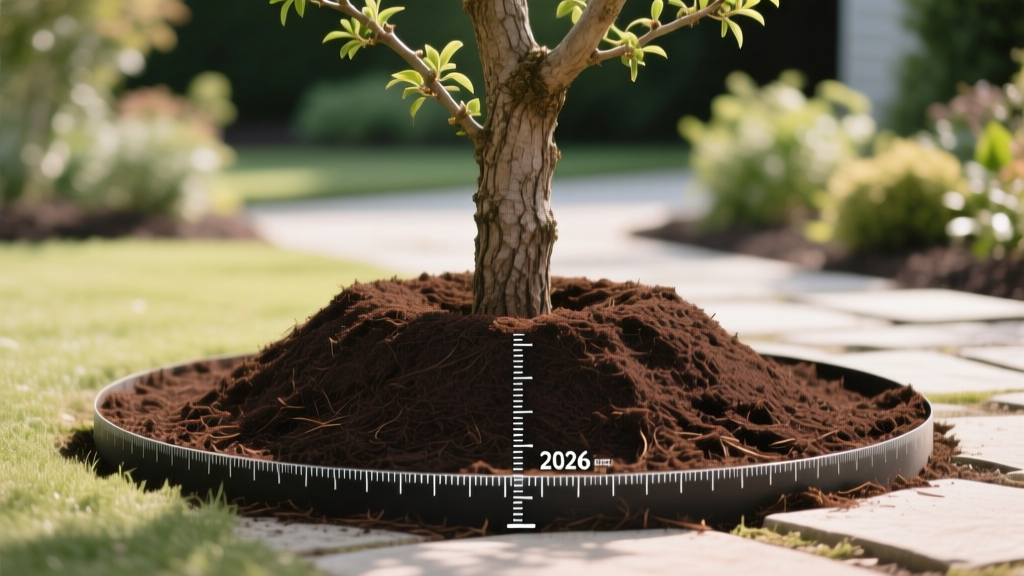
2026 Guide: Donut Mulching & 3-Inch Rule After Pruning
Anna KowalskiPublished
The Intersection of Pruning Timing and Mulching Strategy
As we navigate the 2026 arboriculture season, professional arborists and home gardeners alike are recognizing a critical link between above-ground pruning methods and below-ground root zone management. When you execute structural pruning, crown reduction, or deadwooding in late winter or early spring, you are intentionally creating open wounds on the tree. While proper pruning cuts made at the branch collar allow the tree to begin its natural healing process, the energy required for this recovery is entirely dependent on the health and efficiency of the root system. This is where the proper mulching technique—specifically the donut shape and the three-inch depth rule—becomes an indispensable component of your post-pruning care schedule.
Trees rely on a biological process known as CODIT (Compartmentalization of Decay in Trees) to seal off pruning wounds and prevent pathogenic fungi from entering the vascular system. CODIT is highly energy-intensive. If the root zone is stressed by moisture fluctuations, soil compaction, or temperature extremes, the tree cannot produce the chemical barriers necessary to compartmentalize the decay. By applying a correctly shaped and measured mulch ring immediately following your seasonal pruning, you stabilize the soil environment, ensuring the roots can efficiently uptake water and nutrients to fuel the healing of your fresh pruning cuts.
What is the Donut Mulching Technique?
The donut mulching technique refers to the strategic placement of organic mulch in a wide ring around the base of the tree, deliberately leaving the trunk and the root flare completely exposed. Visually, the mulch bed resembles a donut, with the tree trunk situated in the empty center hole. This method stands in stark contrast to the infamous and highly destructive "volcano mulching" practice, where mulch is piled high against the trunk in a conical shape.
According to the University of Maryland Extension, keeping mulch away from the trunk is vital for preventing a host of severe physiological issues. When mulch is piled against the bark, it traps moisture against the trunk, leading to bark maceration, fungal cankers, and ultimately, trunk rot. Furthermore, volcano mulching encourages the growth of adventitious roots that can circle the trunk and become girdling roots, slowly strangling the tree over time. The donut shape respects the tree's natural anatomy, keeping the root flare visible and dry while still providing the soil beneath the canopy with the benefits of organic matter.
The Golden Three-Inch Depth Rule
While the shape of the mulch ring protects the trunk, the depth of the mulch dictates the health of the soil biology and the root system. The golden rule for 2026 tree care is to maintain a strict three-inch depth of organic mulch across the donut ring. This specific measurement is not arbitrary; it is the exact threshold where moisture retention and soil gas exchange are perfectly balanced.
Roots require oxygen to perform cellular respiration, which fuels the uptake of water and minerals. If mulch is applied too thickly, it creates an impermeable barrier that blocks oxygen from reaching the soil profile, leading to hypoxia and root death. Conversely, if the mulch layer is too thin, it fails to insulate the soil against the erratic spring temperature swings we are seeing in 2026, and it cannot effectively suppress competing weeds that would otherwise steal vital nutrients from your recovering tree.
| Mulch Depth | Moisture Retention | Oxygen Exchange | Overall Tree Health Impact Post-Pruning |
|---|---|---|---|
| 1 Inch | Poor | High | Fails to suppress weeds; rapid moisture loss stresses pruning wounds and delays CODIT. |
| 3 Inches | Optimal | Optimal | Ideal environment for mycorrhizal fungi, root growth, and rapid wound compartmentalization. |
| 6+ Inches | Excessive | Severely Restricted | Causes soil hypoxia, root rot, and trunk cankers; completely halts the healing process. |
Step-by-Step Guide: Applying the Donut Mulch After Pruning
To properly integrate mulching into your pruning timeline, follow these actionable steps immediately after making your final pruning cuts for the season:
- Step 1: Clear the Base and Expose the Root Flare. Before laying down new mulch, use a hand rake or an air-spade to gently remove old, matted mulch, turfgrass, and weeds from the base of the tree. Ensure the root flare (the area where the trunk widens and transitions into the root system) is completely visible and free of debris.
- Step 2: Establish the Inner Donut Hole. Measure out a 3-to-6-inch radius from the center of the trunk. This is your "no-mulch zone." Keeping this inner circle bare ensures that the bark remains dry and free from fungal pathogens.
- Step 3: Apply the Three-Inch Layer. Using a wheelbarrow and a landscape rake, spread your chosen organic mulch evenly around the tree, starting just outside your no-mulch zone. Use a tape measure or a specialized depth gauge to ensure the layer is exactly three inches deep. Avoid the temptation to pile it higher.
- Step 4: Extend to the Drip Line. For maximum benefit, extend the outer edge of your donut mulch ring as far out as the tree's drip line (the outermost circumference of the canopy). If space or resources are limited, ensure the ring extends at least 3 to 4 feet from the trunk to cover the primary structural roots.
- Step 5: Water Thoroughly. After the mulch is laid, water the entire donut ring deeply. This settles the mulch, eliminates air pockets, and kickstarts the decomposition process that will feed the soil food web.
Best Mulch Materials for 2026 Post-Pruning Recovery
The type of mulch you select plays a significant role in how well the tree recovers from pruning stress. In 2026, arborists heavily favor coarse, aged organic materials that promote fungal dominance in the soil, as trees rely on symbiotic mycorrhizal fungi for nutrient absorption.
- Aged Hardwood Chips: The gold standard for tree care. Ensure the chips have been aged for at least six months to prevent nitrogen tie-up in the soil. They break down slowly, providing long-term weed suppression and moisture retention.
- Pine Bark Nuggets: Excellent for acid-loving trees like oaks and pines. Their interlocking shape prevents them from washing away during heavy spring rains, maintaining the crucial three-inch depth.
- Leaf Mold and Compost Blends: While not a traditional wood mulch, a base layer of compost topped with wood chips provides an immediate nutrient boost to trees that have undergone heavy crown reduction or structural pruning.
Avoid using dyed mulches, rubber mulch, or fresh, uncomposted woodchips near the root zone. Dyed mulches can leach heavy metals and chemicals into the soil, which the tree may uptake while trying to push resources to its pruning wounds. As noted by Penn State Extension, inorganic mulches like rubber or stone do not contribute to soil organic matter and can severely alter soil temperatures, stressing the root system during the critical post-pruning recovery window.
Common Mistakes to Avoid in Post-Pruning Mulch Care
Even with the best intentions, homeowners often make critical errors when mulching after a pruning session. First, never use landscape fabric or plastic weed barriers beneath the donut mulch. These materials severely restrict water infiltration and gas exchange, effectively suffocating the roots you are trying to support. Second, do not refresh mulch every single spring without checking the existing depth. If you add three inches of new mulch on top of three inches of old, decomposing mulch, you will quickly violate the three-inch rule, creating a suffocating, anaerobic environment that breeds root rot.
Finally, ensure that your pruning tools and your mulching tools are kept separate in terms of sanitation. While pruning requires sterilized shears and saws to prevent the spread of canker diseases, your mulching wheelbarrow and rakes should also be free of contaminated soil or debris from diseased trees. By mastering the donut mulching technique and adhering strictly to the three-inch depth rule, you provide your trees with the exact environmental conditions they need to seal pruning wounds, resist pests, and thrive throughout the 2026 growing season and beyond.