Tree Care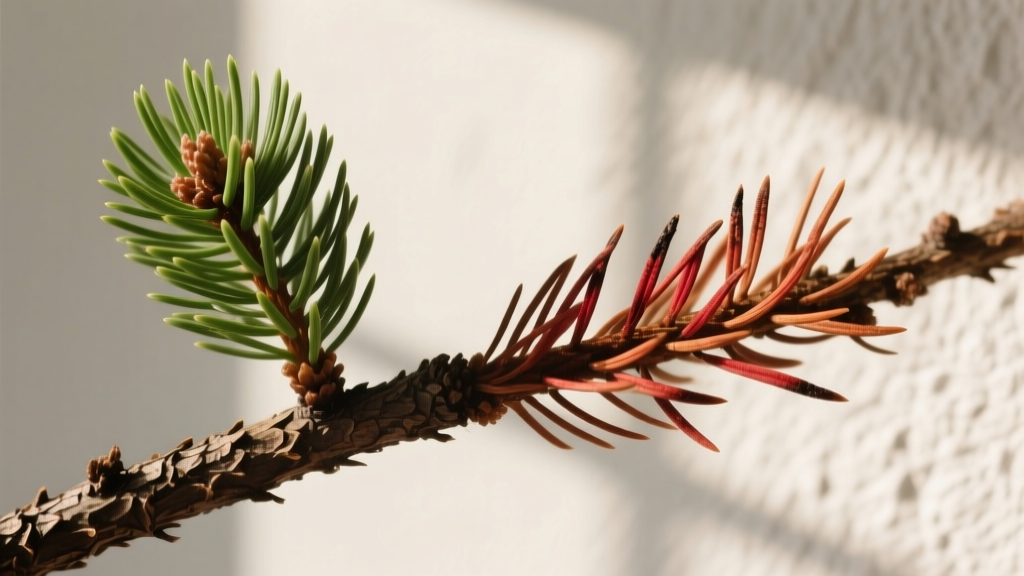
Pine Browning: Dothistroma vs Winter Burn & 2026 Fertilizer Guide
Emily WatsonPublished
Introduction to Pine Needle Browning in 2026
As we navigate the shifting climate patterns and unpredictable temperature swings of 2026, pine trees across many regions are showing alarming signs of stress. One of the most common and distressing symptoms for homeowners and arborists alike is pine needle browning. When your evergreen starts turning rust-colored or yellow-brown, panic often sets in. However, before you reach for a bag of fertilizer or a bottle of fungicide, it is absolutely critical to correctly diagnose the underlying cause. The two most frequent culprits for pine needle browning are Dothistroma needle blight (a fungal disease) and winter burn (an environmental stressor). Misdiagnosing the problem and applying the wrong fertilizer schedule can exacerbate the issue, leading to severe canopy loss or even tree death. In this comprehensive 2026 guide, we will break down how to distinguish between these two conditions and outline the precise fertilizer types and schedules required to restore your pines to vibrant health.
Diagnosing the Culprit: Dothistroma Needle Blight vs. Winter Burn
To effectively manage your tree's nutrient intake, you must first understand what is attacking it. Fungal pathogens and environmental desiccation require vastly different horticultural approaches.
Spotting Dothistroma Needle Blight
Dothistroma needle blight is caused by the fungus Dothistroma septosporum. According to plant pathology experts at Penn State Extension, this disease primarily affects Austrian, ponderosa, and mugo pines. The hallmark sign of Dothistroma is the appearance of distinct reddish-brown bands or spots on the needles. The needle tip beyond the band will turn brown and die, while the base of the needle near the twig remains green. Crucially, Dothistroma typically begins in the lower canopy where humidity is highest and air circulation is poorest, eventually working its way up the tree as the infection spreads during wet spring and early summer weather.
Identifying Winter Burn (Desiccation)
Winter burn, on the other hand, is not a disease but an environmental injury. As detailed by the University of Wisconsin-Madison Extension, winter burn occurs when pine needles lose moisture to dry, freezing winter winds and bright sun, while the roots are unable to replace that water because the soil is frozen. In 2026, with many regions experiencing rapid freeze-thaw cycles, winter burn is particularly prevalent. Symptoms include uniform browning of needle tips or entire needles, predominantly on the south, southwest, or windward-facing sides of the tree. Unlike Dothistroma, winter burn does not feature distinct fungal bands, and it often affects the outer, most exposed canopy rather than the shaded lower branches.
Diagnostic Comparison Chart
| Feature | Dothistroma Needle Blight | Winter Burn (Desiccation) |
|---|---|---|
| Primary Cause | Fungal pathogen (D. septosporum) | Environmental moisture loss |
| Visual Symptoms | Red/brown bands; tips die, base stays green | Uniform browning of tips or whole needles |
| Location on Tree | Starts in lower, shaded canopy | Outer canopy, south/west/windward sides |
| Timing of Symptoms | Visible late spring through summer | Visible late winter to early spring |
The Role of Fertilizer in Pine Health and Disease Management
A common misconception among homeowners is that a browning tree is simply 'hungry' and needs an immediate dose of high-nitrogen fertilizer. In 2026, modern arboriculture strongly advises against this blanket approach. According to The Morton Arboretum, fertilizing a tree without a soil test or a clear understanding of its stressor can do more harm than good.
When a pine is actively fighting a Dothistroma infection, applying high-nitrogen synthetic fertilizers forces the tree to push out soft, succulent, rapid growth. This new growth is highly susceptible to fungal spores, effectively rolling out the red carpet for the disease to spread further. Conversely, if a pine is suffering from winter burn, it lacks the internal hydration and cellular integrity to process a heavy nutrient load. The focus for winter-damaged pines must be on root hydration, soil structure, and potassium-rich supplements that aid in cellular repair and stomatal regulation, rather than nitrogen-heavy foliage pushers.
2026 Fertilizer Types for Browning Pines
Selecting the right fertilizer formulation is paramount for recovery. Here are the top recommendations for the 2026 growing season based on your diagnosis.
What to Use for Recovery and Prevention
- Slow-Release, Low-Nitrogen Granular Fertilizers: If your soil test indicates a deficiency, use a slow-release formula with an N-P-K ratio where the nitrogen (N) is lower than or equal to the potassium (K), such as a 5-10-10 or 8-8-8 blend. Slow-release coatings ensure nutrients are dispensed gradually, preventing the soft growth that attracts Dothistroma.
- Mycorrhizal Root Inoculants: Products containing Pisolithus tinctorius or Rhizopogon species are essential for pines recovering from winter burn. These beneficial fungi expand the root system's surface area, dramatically improving water and nutrient uptake in compromised soils.
- Kelp and Seaweed Extracts: Liquid kelp is rich in potassium, trace minerals, and natural growth hormones (cytokinins). It is an excellent, gentle foliar spray or soil drench that helps pines rebuild cellular walls after the desiccation of winter burn without overloading them with nitrogen.
- Biochar and Compost Top-Dressing: Improving soil moisture retention is vital for preventing future winter burn. Incorporating biochar into the root zone in 2026 is a highly effective way to hold water and nutrients in sandy or fast-draining soils.
What to Avoid
- High-Nitrogen Synthetic Spikes: Avoid cheap, fast-acting nitrogen spikes (like those with a 20-5-5 ratio). They cause rapid, weak growth and can burn the shallow feeder roots of stressed pines.
- Late-Season Fertilization: Never fertilize pines in late summer or early fall. This prevents the tree from entering its natural dormancy hardening-off process, making it exponentially more vulnerable to the next winter's freeze and resulting in severe winter burn.
The Ultimate 2026 Pine Fertilizer Schedule
To manage both Dothistroma and winter burn effectively, follow this precise seasonal schedule. Always begin the year with a professional or high-quality at-home soil test to establish your baseline pH and nutrient levels.
Early Spring (March - April)
For Winter Burn Recovery: As soon as the ground thaws, begin deep, slow watering to rehydrate the root zone. Apply a liquid kelp extract soil drench to provide gentle potassium and micronutrients. If your soil test shows a severe deficiency, apply a slow-release, balanced granular fertilizer (e.g., 8-8-8) at half the manufacturer's recommended rate. Do not prune the brown needles yet; wait until new buds break to see which branches are truly dead.
For Dothistroma Management: Do not apply nitrogen fertilizer. Focus on raking up and destroying all fallen, infected needles from the previous year to reduce the fungal spore count in the soil.
Mid-to-Late Spring (May - June)
For Winter Burn: By now, new candles (growth) should be emerging. If the tree is recovering well, you can apply a mycorrhizal inoculant via soil injection or root drench to establish long-term drought and cold resistance.
For Dothistroma Management: This is the critical window for copper-based fungicide applications (such as copper hydroxide or Bordeaux mixture) to protect the newly emerging needles from spore infection. Again, withhold nitrogen fertilizer during this active infection and treatment phase.
Early Fall (September - October)
For Both Conditions (Prevention): The goal in autumn is cold-hardiness, not foliage growth. Apply a potassium-heavy, zero-nitrogen winterizer fertilizer (such as a 0-0-15 or 0-10-10 blend) to help the pine needles retain moisture and withstand freezing temperatures. This is also the ideal time to apply a 2-to-3-inch layer of organic pine bark mulch over the root zone (keeping it away from the trunk) to insulate the soil, regulate temperature, and prevent the deep freezes that lead to winter burn.
Treatment and Recovery Protocols
Fertilizer is only one piece of the puzzle. For Dothistroma, a multi-year commitment to spring fungicide sprays and meticulous sanitation (removing fallen needles) is required. Pruning out heavily infected lower branches during dry winter weather will also improve air circulation, making the microclimate less hospitable to the fungus. For winter burn, the application of anti-desiccant sprays (like Wilt Pruf) in late November can coat the needles in a protective polymer, reducing moisture loss during the harsh winds of January and February. Combined with the strategic, low-nitrogen, high-potassium fertilizer schedule outlined above, your pines will develop the thick, waxy cuticles necessary to defend against both biological and environmental threats.
Conclusion
Diagnosing pine needle browning correctly is the first and most important step in saving your evergreens. While Dothistroma needle blight requires strict fungal management and a restriction of nitrogen, winter burn demands aggressive rehydration and potassium-focused nutrition. By adhering to this targeted 2026 fertilizer schedule, avoiding the temptation to over-feed stressed trees, and utilizing modern soil amendments like mycorrhizae and biochar, you can ensure your landscape pines remain resilient, green, and majestic for decades to come.