Tree Care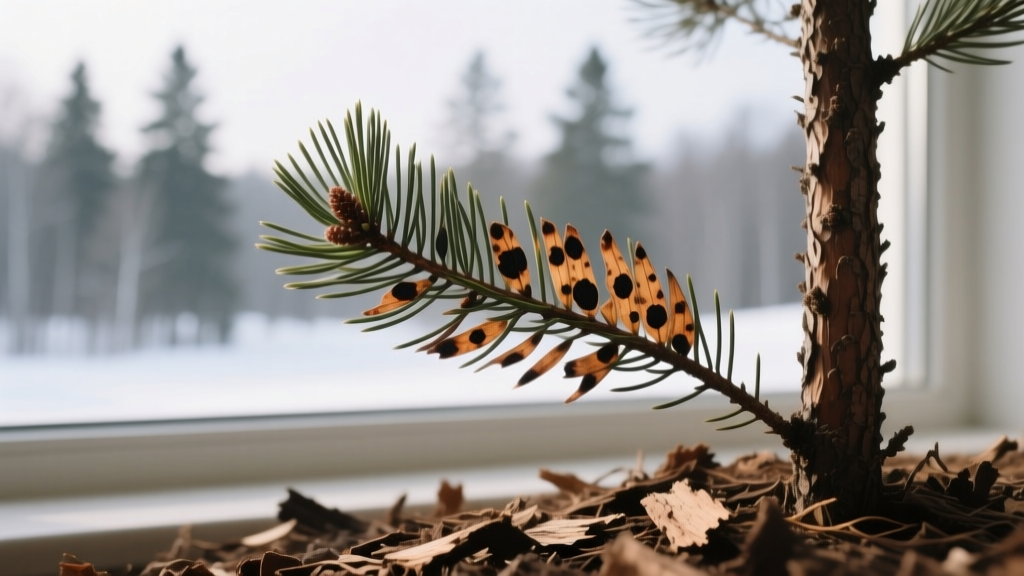
2026 Pine Needle Browning: Dothistroma vs Winter Burn Mulching Guide
Mike RodriguezPublished
Understanding the 2026 Pine Needle Browning Epidemic
As we navigate the shifting climate patterns of 2026, homeowners and arborists alike are witnessing an unprecedented rise in pine needle browning. Erratic winter temperatures, prolonged dry spells followed by heavy spring rains, and fluctuating freeze-thaw cycles have created a perfect storm for evergreen stress. When your prized pines begin to turn brown, the immediate instinct is often to assume a fatal disease or severe drought. However, accurate diagnosis is the critical first step before any treatment or cultural practice—especially mulching—can be effectively applied.
Mulching is far more than an aesthetic landscaping choice; it is a vital physiological tool for tree health. When applied correctly, mulch regulates soil temperature, retains crucial moisture, and acts as a physical barrier against soil-borne pathogens. When applied incorrectly, it can exacerbate fungal outbreaks and suffocate root systems. In this comprehensive 2026 guide, we will explore how to differentiate between the two most common culprits of pine browning—Dothistroma needle blight and winter burn—and how to leverage specific mulching methods and materials to protect, prevent, and restore your trees.
Accurate Diagnosis: Dothistroma Needle Blight vs. Winter Burn
Before you purchase mulch or alter your landscape beds, you must correctly identify the source of the browning. Misdiagnosing environmental stress as a fungal pathogen (or vice versa) will lead to ineffective treatments and wasted resources. Let us break down the visual and environmental indicators of both conditions.
Identifying Dothistroma Needle Blight
Dothistroma needle blight is a serious fungal disease caused by the pathogen Dothistroma septosporum. It primarily affects Austrian, Ponderosa, and Mugo pines. According to plant pathology experts at Penn State Extension, the fungus overwinters in infected needles on the tree and on the ground. In the spring and early summer, rain splashes the spores onto new, healthy needles.
The hallmark symptom of Dothistroma is the appearance of distinct, dark reddish-brown bands that wrap around the pine needles. The needle tip beyond the band will turn yellow, then brown, and eventually die, while the base of the needle near the twig often remains green. Severe infections usually start in the lower canopy where humidity is highest and rain splash is most prevalent, eventually moving upward. Infected needles drop prematurely, leading to a thin, sparse canopy.
Identifying Winter Burn (Desiccation)
Winter burn, or desiccation, is an environmental injury rather than a biological infection. It occurs when pine needles lose water through transpiration faster than the root system can replace it from frozen or dry soil. The University of Minnesota Extension notes that this is particularly common on the south and west-facing sides of the tree, where winter sun and harsh winds accelerate moisture loss.
Unlike Dothistroma, winter burn does not produce distinct reddish bands or fruiting bodies. The browning is typically uniform, affecting the entire length of the needle or starting from the tip without a sharp demarcation line. Furthermore, winter burn damage is usually most severe on the windward side of the tree or the side exposed to the most intense afternoon winter sun, rather than being concentrated exclusively in the lower canopy.
Diagnostic Comparison Chart
| Diagnostic Feature | Dothistroma Needle Blight | Winter Burn (Desiccation) |
|---|---|---|
| Primary Cause | Fungal pathogen (D. septosporum) | Environmental moisture loss |
| Visual Symptoms | Distinct reddish-brown bands; tip dies, base stays green | Uniform browning; no distinct bands |
| Location on Tree | Starts in lower canopy, moves up | Worst on south/west-facing, windward sides |
| Presence of Spores | Black fruiting bodies visible on dead bands | None |
| Seasonal Onset | Noticeable in late summer/fall after spring infection | Noticeable in late winter/early spring |
The Critical Role of Mulching in Pine Health
Once you have diagnosed the issue, your cultural management strategy must pivot to soil and root zone care. The Morton Arboretum consistently emphasizes that a properly mulched root zone is the foundation of tree vitality. Mulch mimics the natural forest floor, providing a buffer against extreme temperature fluctuations, suppressing competing weeds, and improving soil structure as it decomposes. However, the specific type of mulch and the method of application must be tailored to whether you are fighting a fungal pathogen or environmental desiccation.
Mulching Strategies to Prevent Winter Burn
Winter burn is fundamentally a water-management issue. If the soil freezes deeply, roots cannot absorb moisture, even if the winter sun is warming the needles and driving transpiration. The primary goal of mulching for winter burn prevention is soil insulation and moisture retention.
- Timing is Everything: Apply a fresh layer of mulch in late autumn, after the first hard frost but before the ground freezes solid. This traps the existing soil moisture and prevents the frost from penetrating as deeply.
- Deep Watering Before Mulch: Mulch does not create water; it only conserves it. Ensure your pines receive a deep, slow soaking in late fall before applying your mulch layer.
- Insulative Materials: Use materials that trap air and provide excellent insulation, such as shredded hardwood or coarse pine bark nuggets. These materials create a thick, porous blanket that keeps the soil temperature just above the critical freezing point for longer into the winter season.
Mulching Tactics to Suppress Dothistroma
Managing Dothistroma requires a completely different mulching approach. Because the fungal spores overwinter in fallen needles and are splashed onto the lower branches by rain, your mulch must act as a physical barrier while simultaneously reducing lower-canopy humidity.
- Preventing Spore Splash: A solid layer of mulch covers the infected fallen needles on the ground, absorbing the kinetic energy of raindrops and preventing the spores from splashing up onto the healthy lower branches.
- Avoiding 'Volcano Mulching': Piling mulch against the trunk of the pine tree creates a humid, rot-prone environment that stresses the tree and weakens its natural chemical defenses against fungal invaders. Always maintain a strict 'donut hole' around the trunk.
- Improving Airflow: Do not use fine, compacting mulches like peat moss or heavily decomposed leaf mold near the base of Dothistroma-prone pines. These materials hold excessive surface moisture and raise the localized humidity, creating an ideal microclimate for fungal proliferation.
Pro Tip for 2026: If your pine has a severe Dothistroma infection, carefully rake and remove the heavily infected fallen needles before applying a fresh layer of clean, disease-free mulch. Simply covering a massive layer of infected debris may not fully contain the spore load during heavy spring downpours.
Best Mulching Materials for Pines in 2026
Choosing the right material is critical. Pines generally prefer slightly acidic soil conditions, and the decomposition of certain mulches can help maintain this optimal pH balance. Below is a breakdown of the best materials for the current year.
1. Coarse Pine Bark Nuggets
Pine bark nuggets are excellent for both winter insulation and fungal splash prevention. Because they are large and heavy, they do not wash away easily during heavy spring rains, making them ideal for covering fallen Dothistroma-infected needles. They also break down slowly, providing long-term weed suppression without tying up soil nitrogen.
2. Shredded Hardwood Mulch
Shredded hardwood interlocks to form a stable mat that resists wind and water displacement. It is highly effective at retaining soil moisture for winter burn prevention. Ensure it is aged or composted; fresh hardwood mulch can temporarily deplete soil nitrogen as it decomposes, stressing an already vulnerable pine.
3. Composted Pine Needles (Pine Straw)
Pine straw is a natural, acidic mulch that allows for excellent water penetration and air circulation. It is highly recommended for Dothistroma management because it does not compact and trap surface humidity the way fine woodchips do. However, it breaks down quickly and may need replenishing twice a year.
4. Arborist Woodchips (Ramial Chipped Wood)
Arborist woodchips are a sustainable, cost-effective option that mimics the natural forest floor. They are fantastic for overall soil biology and moisture retention. For disease management, ensure the woodchips are sourced from healthy trees and are not harboring their own fungal pathogens.
Materials to Avoid
Never use rubber mulch or dyed landscape fabrics around pines. Rubber mulch offers no biological benefits, can leach chemicals, and traps excessive heat that can damage surface roots. Similarly, avoid using fresh, uncomposted sawdust, which will severely deplete soil nitrogen and stunt pine growth.
Step-by-Step Mulching Application Guide
To maximize the protective benefits of your mulch against both winter burn and Dothistroma, follow this precise application protocol:
- Clear the Base: Remove all grass, weeds, and debris from a 3-foot to 4-foot radius around the trunk of the pine tree. Grass competes aggressively for water, exacerbating winter desiccation.
- Establish the Donut Hole: Keep all mulch at least 3 to 5 inches away from the actual trunk of the tree. The root flare should remain visible and exposed to the air. Mulch touching the bark invites rot and secondary pests.
- Apply the Correct Depth: Spread your chosen mulch to a uniform depth of 2 to 4 inches. Any deeper, and you risk suffocating the fine, oxygen-dependent feeder roots of the pine. Any shallower, and you lose the insulative and splash-prevention benefits.
- Extend to the Dripline: While a 4-foot ring is the minimum, extending the mulch bed to the tree's dripline (the outer edge of the canopy) is the gold standard for 2026 tree care, as this is where the majority of the water-absorbing roots are located.
- Water Thoroughly: After spreading the mulch, water the bed deeply to settle the material and eliminate large air pockets that could dry out the underlying soil.
Conclusion
Diagnosing pine needle browning requires a keen eye for detail, but the long-term solution almost always leads back to the health of the root zone. Whether you are battling the fungal bands of Dothistroma or the harsh, desiccating winds of winter burn, strategic mulching is your most powerful cultural defense. By selecting the appropriate materials, applying them with precise measurements, and avoiding common landscaping mistakes like volcano mulching, you can ensure your pines remain vibrant, resilient, and deeply rooted for years to come. Stay observant, adapt to the seasonal shifts of 2026, and let proper mulching do the heavy lifting for your landscape's health.