Gardening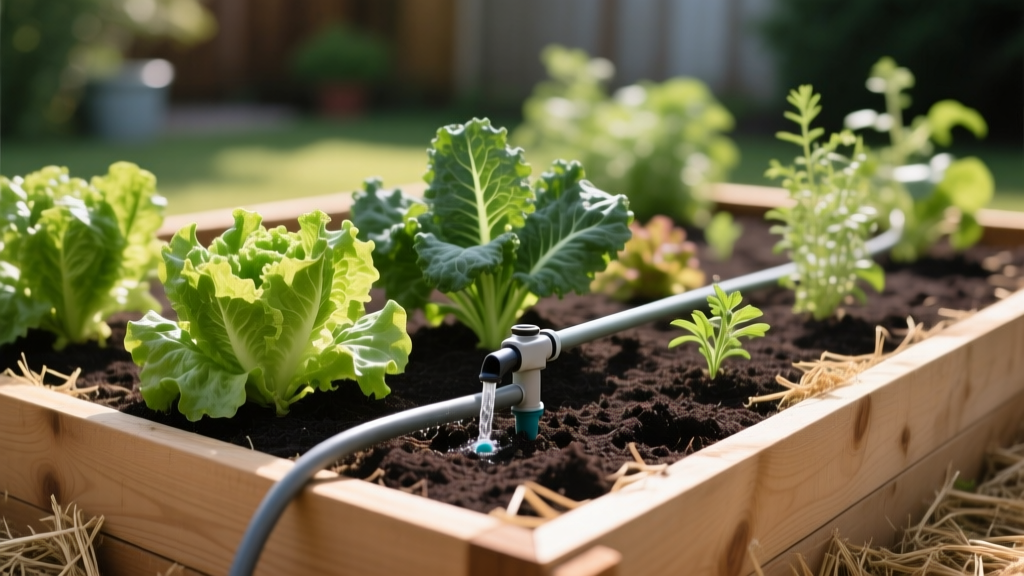
Drought-Proof Raised Beds: Drip Irrigation & Mulch Guide
Emily WatsonPublished
The Challenge of Raised Bed Gardening in Drought Climates
Raised bed gardening has surged in popularity due to its superior drainage, reduced soil compaction, and ergonomic benefits. However, these same advantages become significant liabilities during prolonged droughts or in arid climate zones. Because raised beds are elevated above the surrounding grade, they are exposed to ambient air on all sides, leading to accelerated evaporation and rapid soil moisture depletion. In regions experiencing severe water restrictions, maintaining a productive vegetable garden in a raised bed requires a strategic, water-wise approach that goes beyond simply turning on the hose.
According to the EPA WaterSense program, outdoor water use accounts for nearly 30% of total household water consumption, with a significant portion lost to evaporation and runoff. To combat this, home gardeners must transition from traditional broadcast watering to highly targeted micro-irrigation, paired with aggressive soil moisture retention techniques. By combining precision drip irrigation, deep organic mulching, and specialized soil amendments, you can reduce your garden's water consumption by up to 50% while maintaining robust vegetable yields.
Designing a High-Efficiency Drip Irrigation System
Overhead watering with oscillating sprinklers or hand-held wands is the enemy of water conservation. Much of the water is lost to wind drift and foliar evaporation before it ever reaches the root zone. Furthermore, wetting the foliage of crops like tomatoes and squash invites fungal diseases such as powdery mildew and early blight. Research from Texas A&M AgriLife Extension indicates that drip irrigation systems deliver water directly to the root zone at up to 90% efficiency, compared to the 50-70% efficiency of conventional sprinklers.
Choosing the Right Emitter Tubing
For raised beds, pressure-compensating (PC) drip tubing is essential. Unlike standard drip lines that emit more water at the beginning of the run and less at the end, PC emitters maintain a consistent flow rate regardless of elevation changes or tubing length. Products like the Netafim Techline CV or Rain Bird XFD feature built-in check valves that prevent drainage when the system is off, ensuring instant pressurization and uniform watering. A 1/2-inch mainline tubing with 1/4-inch distribution tubing or inline emitters spaced every 12 inches is ideal for most raised bed configurations. Expect to invest approximately $0.45 to $0.65 per linear foot for high-quality PC tubing.
Layout and Spacing for Vegetables
The spacing of your drip lines depends heavily on your soil texture. In sandy loam soils, water moves vertically rather than horizontally, requiring drip lines spaced 6 to 8 inches apart. In heavier clay loam soils, capillary action pulls water laterally, allowing for emitter spacing of 12 to 18 inches. For a standard 4x8-foot raised bed, running three parallel lines of 1/2-inch drip tubing down the length of the bed provides comprehensive coverage for intensively planted vegetables.
Smart Controllers and Moisture Sensors
Automating your system with a smart controller eliminates human error and overwatering. Devices like the Orbit B-hyve or Rachio 3 Smart Sprinkler Controllers ($150–$250) connect to local weather stations via Wi-Fi, automatically skipping watering cycles after rainfall or adjusting run times based on real-time evapotranspiration (ET) rates. For ultimate precision, integrate a soil moisture sensor, such as the Irrometer Watermark, buried 6 inches deep in the root zone. This ensures the system only triggers when the soil volumetric water content drops below optimal thresholds.
The Magic of Mulch: Retaining Soil Moisture
No drip irrigation system can reach its full water-saving potential without a protective mulch layer. Bare soil exposed to the sun forms a crust, leading to rapid moisture loss and increased soil temperatures that can stress plant roots and halt seed germination. As noted by Colorado State University Extension, applying organic mulches can reduce soil water evaporation by up to 70%, moderate soil temperatures by 10 to 15 degrees Fahrenheit, and suppress water-stealing weeds.
Best Organic Mulches for Vegetable Beds
When selecting mulch for annual vegetable gardens, it is crucial to choose materials that break down relatively quickly to add organic matter to the soil, without tying up nitrogen during decomposition.
- Seed-Free Straw: The gold standard for vegetable beds. It is lightweight, allows water to penetrate easily, and creates an excellent insulating barrier. Cost: $8–$12 per bale.
- Shredded Leaves: A free, nutrient-dense option. Leaves must be shredded with a mower to prevent them from matting into a water-repellent layer. Cost: Free (labor only).
- Grass Clippings: High in nitrogen, but must be applied in thin layers (1/2 inch at a time) and allowed to dry to avoid creating a slimy, anaerobic mat. Ensure clippings are free of persistent herbicides. Cost: Free.
- Pine Needles (Pine Straw): Excellent for acidic-loving plants and highly resistant to washing away in heavy rains, though it breaks down slower than straw. Cost: $6–$10 per bale.
Application Depth and Timing
Apply mulch to a depth of 2 to 4 inches after the soil has thoroughly warmed in late spring and your drip irrigation system is tested and buried slightly beneath the surface. Keep the mulch pulled back 2 inches from the main stems of your plants to prevent crown rot and deter rodent habitation.
Mulch Comparison Chart for Raised Beds
| Mulch Material | Estimated Cost | Moisture Retention | Decomposition Rate | Best Application |
|---|---|---|---|---|
| Seed-Free Straw | $8 - $12 / bale | Excellent | Fast (1 season) | Annual vegetables, tomatoes, peppers |
| Shredded Leaves | Free | Very Good | Fast (1 season) | Leafy greens, root crops, garlic |
| Pine Needles | $6 - $10 / bale | Good | Slow (2+ seasons) | Strawberries, blueberries, pathways |
| Arborist Wood Chips | Free - $25 / yd³ | Excellent | Very Slow (3+ years) | Perennial beds, raised bed pathways |
Soil Amendments for Maximum Water Retention
The physical structure of your raised bed soil dictates its water-holding capacity. Sandy soils drain too quickly, while heavy clays hold water but restrict root growth and oxygen. Amending your soil to increase Soil Organic Matter (SOM) is the most effective long-term drought-proofing strategy.
Increasing soil organic matter by just 1% can help soil hold up to 20,000 additional gallons of water per acre, drastically reducing the frequency of required irrigation.
Coco Coir and Biochar
Coco Coir: A byproduct of the coconut industry, coco coir is a sustainable alternative to peat moss. It is highly porous and can hold up to 10 times its weight in water while maintaining excellent drainage and aeration. A single 5kg compressed block of coir costs around $20 and rehydrates to yield approximately 15 gallons of fluffy planting medium. Incorporate coir at a rate of 20% to 30% of your total soil volume.
Biochar: Biochar is organic matter that has been pyrolyzed (burned in a low-oxygen environment) to create a highly porous, stable carbon structure. Its microscopic surface area acts like a sponge, retaining both moisture and water-soluble nutrients that would otherwise leach out of the raised bed. Apply horticultural-grade biochar at a rate of 10% by volume, but be sure to "charge" it first by soaking it in compost tea or liquid fertilizer for two weeks before adding it to your beds, preventing it from temporarily tying up soil nitrogen.
Drought-Tolerant Plant Selection and Spacing
Even with perfect irrigation and mulching, choosing the right crops for a drought-prone garden is essential. Shift your planting focus toward heat-loving, deep-rooted, and drought-resilient varieties. Furthermore, utilize intensive planting and companion planting to create a "living mulch" canopy that shades the soil surface.
- Cowpeas (Black-eyed Peas): Exceptionally heat and drought-tolerant legumes that thrive in poor soils and actually fix atmospheric nitrogen, reducing fertilizer needs.
- Swiss Chard: Unlike delicate lettuces that bolt and turn bitter in the heat, chard features deep taproots that access subsoil moisture and large leaves that shade the bed.
- Okra and Amaranth: Both are vigorous summer growers that require minimal supplemental watering once established and produce heavily throughout the peak of summer droughts.
- Living Canopy Strategy: Plant tall, drought-tolerant crops like sunflowers or okra on the south/west side of your raised bed to cast afternoon shade over more moisture-sensitive crops like bush beans or basil, reducing localized evapotranspiration rates.
Conclusion
Drought conditions do not have to signal the end of your home vegetable harvest. By viewing water as a precious resource and engineering your raised beds to capture, retain, and efficiently distribute every drop, you can cultivate a thriving, resilient garden. Investing in pressure-compensating drip irrigation, smart weather-based controllers, deep organic mulches, and moisture-retentive soil amendments like biochar and coco coir will not only slash your water bills but also create a healthier, more biologically active soil ecosystem capable of weathering the harshest summers.
