Gardening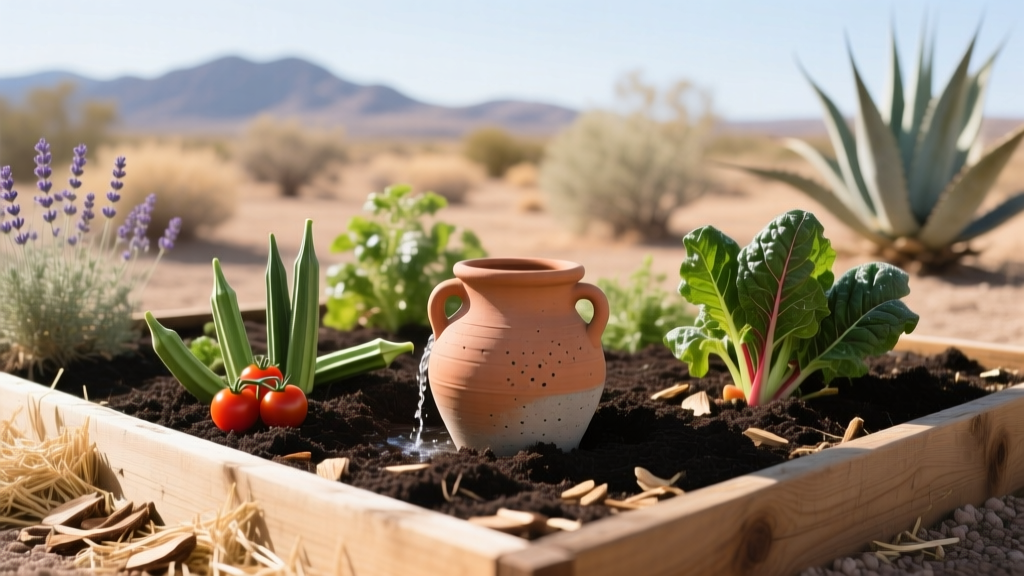
Drought-Proof Raised Beds: Olla Irrigation & Hardy Veggies
Anna KowalskiPublished
The Challenge of Gardening in Drought Conditions
As climate patterns shift and water restrictions become a seasonal norm across many regions, home gardeners are facing a difficult reality: maintaining a productive vegetable garden requires immense amounts of water. According to the EPA WaterSense program, outdoor water use can account for up to 60% of a household's total water consumption during the summer months. Traditional overhead watering and shallow drip lines often lead to massive losses through evaporation and wind drift. For gardeners in arid climates or those facing strict municipal watering bans, a paradigm shift is necessary. By combining the thermal and drainage benefits of raised beds with ancient, hyper-efficient irrigation methods and carefully selected crops, you can cultivate a thriving, water-wise garden that laughs in the face of drought.
What is Olla Irrigation? The Secret to Water-Wise Gardening
Olla (pronounced 'oy-yah') irrigation is an ancient agricultural technique that utilizes unglazed, porous terra cotta clay pots buried in the soil to deliver water directly to plant roots. Unlike modern drip emitters that can clog or flood the surface, ollas rely on the science of soil moisture tension and capillary action. When the surrounding soil dries out, it creates a suction that pulls water through the microscopic pores of the clay. When the soil is moist, the water stops seeping. This self-regulating system ensures that plants receive exactly the amount of water they need, precisely when they need it, with virtually zero evaporation loss. Studies and historical applications show that olla irrigation can reduce outdoor water usage by 50% to 70% compared to conventional surface watering methods.
Step-by-Step Guide to Installing Ollas in Raised Beds
Building an olla-based raised bed system is an affordable weekend project that will pay dividends in water savings and plant health for years to come.
Materials and Estimated Costs
- Unglazed Terra Cotta Pots (1 to 2-gallon capacity): $4 to $8 each. Ensure they are raw, unglazed clay. Glazed or painted pots will not allow water to seep through.
- Terra Cotta Saucers or Flat Stones: $1 to $3 each. These act as lids to prevent evaporation and keep mosquitoes out.
- Silicone Sealant or Cork Stoppers: $5 per tube/pack. Used to plug the drainage hole at the bottom of the pot.
- High-Quality Raised Bed Soil Mix: $15 to $30 per cubic foot.
Installation Process
1. Plug the Drainage Hole: Use a heavy-duty silicone sealant or a tight-fitting wine cork to completely seal the bottom drainage hole of the terra cotta pot. Allow the silicone to cure for 24 hours if used.
2. Determine Spacing: A standard 1-gallon olla will effectively irrigate a circular area with a radius of about 18 inches. For a standard 4x8-foot raised bed, plan to install four to six ollas, spaced evenly down the center line or in a staggered grid.
3. Bury the Pots: Before filling the raised bed completely, dig holes for the pots. Bury each olla so that only the top one to two inches of the neck remain exposed above the soil line. Pack soil tightly around the sides to ensure good contact between the clay and the soil matrix.
4. Cap the Ollas: Place a terra cotta saucer or a flat stone over the opening of each pot. This is a critical step; an open olla will lose water to evaporation and become a breeding ground for mosquitoes.
Soil Preparation: Building a Drought-Resistant Sponge
An olla system is only as effective as the soil surrounding it. To maximize water retention, your raised bed soil must act like a sponge. The University of California Agriculture and Natural Resources (UC ANR) heavily emphasizes the importance of organic matter in drought mitigation. For every 1% increase in soil organic matter, an acre of soil can hold an additional 20,000 gallons of water. On a raised bed scale, this translates to significantly longer intervals between refilling your ollas.
The Ideal Drought-Proof Soil Recipe:
- 40% High-Quality Topsoil or Loam: Provides structural integrity and mineral content.
- 30% Finished Compost: The primary driver of moisture retention and microbial life.
- 20% Coir or Peat Moss: Acts as a lightweight water-holding sponge.
- 10% Biochar: Biochar is a highly porous form of charcoal that permanently increases the soil's water-holding capacity. Pre-charge the biochar by soaking it in compost tea or liquid fertilizer for 48 hours before adding it to your bed, otherwise, it will initially absorb nutrients away from your plants.
Mulching Strategies for Maximum Retention
Even with subsurface irrigation, the top layer of soil is vulnerable to sun and wind. Applying a thick layer of mulch is non-negotiable for water-wise gardening. Apply a 3 to 4-inch layer of arborist wood chips, straw, or shredded leaves over the entire surface of the raised bed, pulling it right up to the base of your plants and covering the exposed neck of the ollas. This mulch layer lowers the soil temperature by up to 15 degrees Fahrenheit during peak summer heat, drastically reducing plant stress and transpiration rates.
Best Drought-Tolerant Vegetables for Olla Beds
While ollas can keep any plant alive, selecting crops that are naturally adapted to arid conditions will yield the highest harvest with the lowest inputs. The National Drought Mitigation Center advises long-term adaptation strategies, including shifting toward heat-hardy, deep-rooted crop varieties. Below is a comparison chart of top-performing drought-tolerant vegetables suited for raised bed olla systems.
| Crop Variety | Drought Tolerance | Days to Maturity | Planting Distance from Olla | Notes for Success |
|---|---|---|---|---|
| Clemson Spineless Okra | Very High | 55-65 Days | 12-18 inches | Thrives in intense heat; deep taproot seeks out subsurface moisture. |
| Pinkeye Purple Hull Cowpeas | Very High | 60-70 Days | 6-10 inches | Fixes its own nitrogen; produces heavily even with minimal water. |
| Armenian Cucumbers | High | 60-75 Days | 12-15 inches | Actually a melon; lacks the bitterness of standard cucumbers when stressed. |
| Fordhook Giant Swiss Chard | Moderate-High | 50-60 Days | 8-12 inches | Large leaves provide living shade for the soil; highly resilient to wilting. |
| Tepary Beans | Extreme | 80-90 Days | 6-8 inches | Native to the Sonoran Desert; requires careful watering to avoid root rot. |
Maintenance and Seasonal Timing
Maintaining an olla-irrigated raised bed requires a different rhythm than traditional gardening. During the peak heat of mid-summer, a 1-gallon olla may need to be refilled every 2 to 3 days. In cooler spring or autumn weather, refilling once a week is often sufficient. Because the water is delivered underground, you will not see the surface of the soil get wet. To check if your system is working, dig down a few inches near the olla; the soil should feel consistently cool and damp, like a wrung-out sponge.
Winterizing Your Ollas: If you live in a climate where the ground freezes, you must protect your terra cotta pots. Freezing water inside the porous clay will cause the pots to crack and shatter. In late autumn, empty the ollas completely, dig them up, clean off the soil, and store them in a frost-free garage or shed until the following spring. Alternatively, you can leave them buried but ensure they are completely dry and filled with loose straw to absorb any ambient moisture that might freeze inside.
Conclusion
Transitioning to a water-wise gardening model does not mean sacrificing a bountiful harvest. By integrating the time-tested efficiency of olla irrigation, engineering your soil for maximum moisture retention, and choosing resilient crop varieties, your raised beds will become a drought-proof oasis. Not only will you drastically reduce your summer water bills and comply with municipal restrictions, but your plants will also develop deeper, healthier root systems that result in more flavorful and nutritious produce.
