Gardening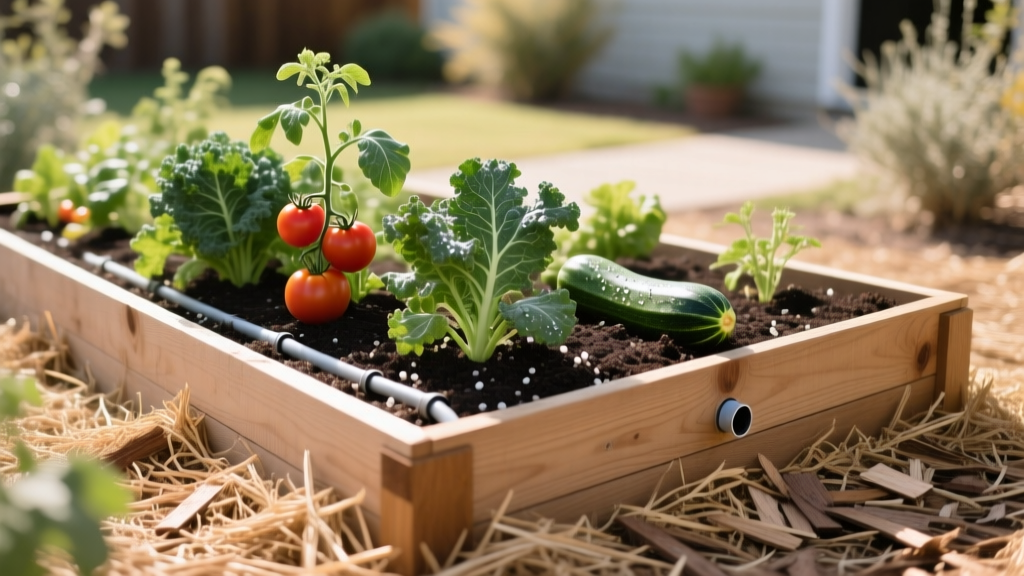
Build Drought-Resilient Raised Beds: Soil and Irrigation
James MillerPublished
Introduction to Water-Wise Raised Bed Gardening
As climate patterns shift and summer droughts become more frequent and severe, traditional vegetable gardening methods are facing unprecedented challenges. Keeping thirsty crops like tomatoes, peppers, and squash alive during water restrictions requires a fundamental shift in how we approach garden design. According to the Environmental Protection Agency (EPA), outdoor water use accounts for nearly 30% of total household water consumption, with a significant portion lost to evaporation and runoff. For home gardeners, the solution lies in building drought-resilient raised beds that act as self-sustaining moisture reservoirs.
Transitioning to a water-wise gardening model does not mean sacrificing your harvest. By engineering the soil for maximum water retention, implementing targeted sub-surface irrigation, and utilizing deep organic mulching, you can cultivate a highly productive vegetable garden that thrives even in the harshest, driest conditions. This guide provides actionable, step-by-step strategies to drought-proof your raised bed vegetable garden, complete with specific product recommendations, cost estimates, and planting timelines.
Engineering the Soil for Maximum Water Retention
The foundation of any drought-resilient garden is its soil. Standard topsoil or cheap bagged garden soils drain too quickly and lack the organic matter necessary to hold moisture during prolonged dry spells. To create a 'sponge' effect in your raised beds, you must build a soil profile rich in humus and porous carbon structures.
The Ultimate Drought-Resistant Soil Recipe
For a standard 4x8-foot raised bed (requiring approximately 32 cubic feet of soil), avoid using peat moss, which becomes hydrophobic and impossible to rewet once it dries out completely. Instead, use the following water-wise soil blend:
- 40% High-Quality Compost (12.8 cu ft): Compost acts as a moisture sponge. Each 1% increase in soil organic matter can help soil hold up to 20,000 additional gallons of water per acre. Cost: ~$40-$60 for bulk delivery.
- 30% Coconut Coir (9.6 cu ft): Coir holds up to 10 times its weight in water and, unlike peat, rewets easily. Purchase compressed coir bricks (approx. $15-$20 per 10lb brick) and hydrate them in a wheelbarrow before mixing.
- 20% Topsoil (6.4 cu ft): Provides essential mineral structure and bulk. Cost: ~$20 for bulk delivery.
- 10% Inoculated Biochar (3.2 cu ft): Biochar is a highly porous charcoal that creates microscopic habitats for beneficial fungi and holds both water and nutrients, preventing them from leaching. Cost: ~$30 per cubic foot. Ensure it is pre-inoculated with mycorrhizal fungi so it does not temporarily tie up soil nitrogen.
Mixing Tip: Layer these ingredients in the bed and use a broadfork or garden fork to blend them thoroughly to a depth of at least 12 inches. Water the empty bed deeply three days before planting to allow the coir and biochar to fully saturate and stabilize.
Sub-Surface and Targeted Irrigation Strategies
Overhead watering is the enemy of drought resilience. Sprinklers lose massive amounts of water to wind drift and solar evaporation, while also promoting fungal diseases on wet foliage. To maximize every drop, you must deliver water directly to the root zone. Research from the University of California Agriculture and Natural Resources (UC ANR) indicates that drip irrigation can reduce water usage by up to 50% compared to conventional sprinklers while increasing crop yields.
Irrigation Method Comparison
| Irrigation Method | Water Efficiency | Evaporation Loss | Setup Cost (per 4x8 bed) | Best For |
|---|---|---|---|---|
| Overhead Sprinklers | Low (60-70%) | High | $15 - $25 | Quick germination of broadcast seeds |
| Drip Tape / Lines | High (85-95%) | Very Low | $35 - $50 | Rows of heavy feeders (tomatoes, peppers) |
| Buried Ollas (Clay Pots) | Very High (90-98%) | Near Zero | $20 - $40 | Deep-rooted crops, off-grid watering |
Setting Up a Drip Tape System
For raised beds, 1/4-inch drip tape or inline drip tubing with emitters spaced every 6 inches is ideal. Look for products like Netafim Techline CV or Rain Bird XFD drip tubing, which feature built-in check valves to prevent low-head drainage.
- Layout: Run lines parallel to your plant rows, spaced 12 inches apart.
- Flow Rate: Select emitters with a low flow rate of 0.5 Gallons Per Hour (GPH). This allows water to slowly percolate deep into the biochar-enriched soil without pooling or running off.
- Automation: Connect the system to a digital hose timer (e.g., Orbit B-hyve or Melnor). Set the timer to water at 5:00 AM. Early morning watering ensures the soil is fully hydrated before the midday sun increases transpiration rates.
The Ancient Magic of Ollas
If you want a zero-evaporation, passive irrigation system, bury unglazed terracotta pots (ollas) in the center of your raised bed. Bury the pot up to its neck, leaving the opening exposed for filling. Plant your vegetables within a 12-to-18-inch radius of the pot. As the soil dries, it creates a moisture tension that pulls water directly through the porous clay walls into the root zone. You only need to fill a 1-gallon olla every 3 to 5 days, making it an incredible drought survival tool.
The Critical Role of Deep Organic Mulching
Even the best soil and irrigation systems will fail if the soil surface is left bare. The USDA Natural Resources Conservation Service (NRCS) emphasizes that proper mulching can reduce soil moisture evaporation by up to 70%, while simultaneously moderating soil temperatures and suppressing water-stealing weeds.
Choosing the Right Mulch for Vegetables
Not all mulches are created equal for annual vegetable gardens. Avoid heavy wood chips or bark nuggets in the immediate planting zone, as they can tie up surface nitrogen as they break down and may impede the emergence of delicate seedlings.
- Straw (Not Hay): Seedless wheat or oat straw is the gold standard for vegetable beds. It creates a highly porous, insulating blanket that allows rain and drip water to pass through while blocking UV rays. Apply a 3-to-4-inch layer after your seedlings are 4 inches tall.
- Shredded Autumn Leaves: Free and abundant, shredded leaves break down over the season, adding valuable organic matter to your soil sponge. Run them over with a lawnmower before applying to prevent them from matting into a water-repellent crust.
- Living Mulch (Groundcovers): Planting drought-tolerant, low-growing companions like sweet alyssum or white clover beneath your taller crops shades the soil naturally and reduces surface evaporation.
Pro-Tip: Always leave a 2-inch 'mulch-free' ring directly around the base of your plant stems to prevent rot and deter stem-girdling pests like cutworms and voles.
Selecting Drought-Tolerant Vegetable Varieties
Your genetic selections play a massive role in water-wise gardening. Modern hybrid vegetables are often bred for uniformity and shelf-life, sometimes at the expense of robust root systems. Seek out heirloom or specifically bred varieties known for their deep taproots and heat tolerance.
- Tomatoes: Choose indeterminate heirlooms like 'Arkansas Traveler', 'Black Krim', or 'San Marzano'. These varieties develop massive, deep root systems that can forage for sub-surface moisture far better than compact determinate patio varieties.
- Leafy Greens: Traditional spinach and lettuce bolt and turn bitter in dry heat. Pivot to 'Fordhook Giant' Swiss Chard, Malabar spinach, or New Zealand Spinach (Tetragonia tetragonioides), which thrive in hot, dry conditions with minimal irrigation.
- Legumes: Swap out water-heavy snap peas for drought-hardy Cowpeas (Southern peas) or Asparagus beans (Yardlong beans). These legumes are native to arid climates and actually prefer hot, dry soil.
- Root Crops: 'Danvers' carrots and 'Bull's Blood' beets are incredibly resilient once established, pushing deep into the soil profile to access trapped moisture.
Establishment Rule: Even drought-tolerant plants need consistent moisture for the first 14 to 21 days after transplanting. Water deeply and frequently to encourage roots to chase the moisture downward. Once established, gradually back off the watering frequency to force the roots to dig deeper into your biochar and coir reservoir.
Maintenance, Monitoring, and Weed Control
A drought-resilient garden requires vigilant maintenance to ensure water is not wasted. Weeds are essentially moisture thieves; a single large pigweed plant can transpire gallons of water a week that should be going to your tomatoes. Hand-pull weeds when they are small, or use a stirrup hoe to sever them just below the soil surface, leaving the roots in place to decompose and add organic matter.
Invest in a high-quality digital soil moisture meter with a long probe (at least 8 inches). Before your automated drip system runs, check the moisture level at a 6-inch depth. If the soil still feels cool and moist, skip the watering cycle. Overwatering, even in a drought, can lead to shallow root growth and oxygen deprivation in the root zone. By combining a moisture-holding soil matrix, targeted drip irrigation, deep organic mulch, and smart plant selection, your raised bed vegetable garden will not only survive the driest months of summer but will continue to produce a bountiful, water-wise harvest for years to come.
