
Landscaping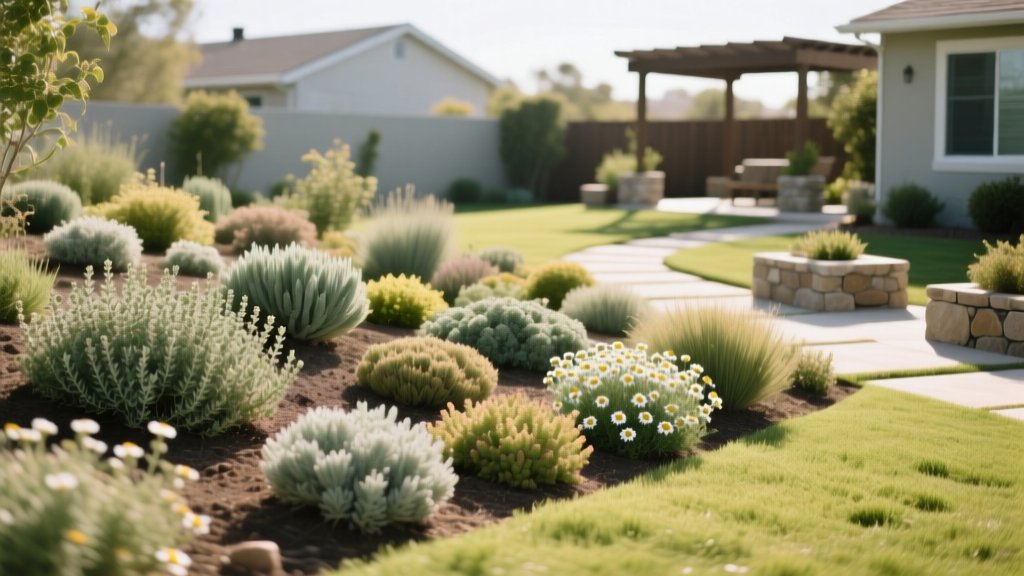
Drought-Tolerant Groundcovers To Replace Thirsty Turf
Lisa ThompsonPublished
Traditional turfgrass lawns have long been the default standard for American landscapes, providing a uniform, lush green carpet that signals a well-kept home. However, as climate patterns shift and water restrictions become more frequent across the country, the environmental and financial costs of maintaining these thirsty lawns are becoming impossible to ignore. According to the Environmental Protection Agency (EPA), the average American family uses 320 gallons of water per day, and nearly 30 percent of that is devoted to outdoor uses. In arid and semi-arid regions, outdoor water use can account for up to 60 percent of a household's total daily consumption. For homeowners looking to embrace water-wise landscaping and drought-resilient design, replacing high-maintenance turf with drought-tolerant groundcovers is one of the most impactful steps you can take.
Groundcovers, often referred to as "living mulches," offer a dynamic, textural, and ecologically beneficial alternative to traditional grasses like Kentucky Bluegrass or Bermudagrass. Once established, these low-growing plants require a fraction of the irrigation, eliminate the need for weekly mowing, and naturally suppress weed growth by shading the soil. This guide will walk you through the process of selecting, preparing, and installing drought-tolerant groundcovers to transform your landscape into a resilient, water-wise oasis.
The Hidden Costs of Traditional Turfgrass
Before ripping up your lawn, it is essential to understand the true cost of keeping it green. Traditional turfgrasses possess shallow root systems, typically extending only two to four inches into the soil. This makes them highly susceptible to drought stress, requiring frequent, shallow watering to survive the summer months. Beyond the water bill, homeowners spend an average of 70 hours per year on lawn maintenance, including mowing, edging, aerating, and applying synthetic fertilizers. Gas-powered lawn equipment also contributes significantly to local air pollution and greenhouse gas emissions. By transitioning to deep-rooted, xeriscape-friendly groundcovers, you can reduce your outdoor water usage by up to 50 to 75 percent while reclaiming your weekends. For more data on residential outdoor water consumption, refer to the EPA WaterSense program.
Top Drought-Tolerant Groundcovers for Sun and Shade
Selecting the right plant for the right place is the foundational principle of xeriscaping. Not all groundcovers thrive in the same conditions. Below is a comparison of four highly resilient, water-wise groundcovers that serve as excellent turf replacements, categorized by their ideal growing conditions and mature characteristics.
| Common Name | Botanical Name | Sun Exposure | Mature Height | Drought Tolerance | Est. Cost per Sq Ft |
|---|---|---|---|---|---|
| Creeping Thyme | Thymus serpyllum | Full Sun | 2-4 inches | High | $1.50 - $2.50 |
| Stonecrop Sedum | Sedum spurium | Full to Part Sun | 4-6 inches | Very High | $1.20 - $2.00 |
| Creeping Juniper | Juniperus horizontalis | Full Sun | 6-12 inches | Extreme | $0.80 - $1.50 |
| Liriope (Lilyturf) | Liriope muscari | Part to Full Shade | 12-18 inches | Moderate-High | $1.00 - $1.80 |
When sourcing these plants, opt for local native plant nurseries or certified water-wise plant programs. Organizations like Plant Select, a collaboration between Colorado State University and the Denver Botanic Gardens, rigorously test and recommend plants specifically bred to thrive in harsh, water-restricted climates with minimal inputs.
Soil Drainage and Percolation Testing
Before committing to a specific groundcover, you must understand your soil's drainage capacity. Many drought-tolerant plants, particularly succulents like Sedum and woody shrubs like Creeping Juniper, are highly susceptible to root rot if left in standing water. To test your drainage, dig a hole 12 inches deep and 12 inches wide. Fill it with water and let it drain completely. Then, fill it a second time and measure how long it takes for the water level to drop one inch. If it drops less than one inch per hour, you have heavy clay soil that requires significant amendment. Incorporate 30 percent by volume of expanded shale or coarse horticultural grit into the top six inches of your planting bed to improve aeration and prevent waterlogging. This crucial step ensures that your water-wise plants are not accidentally drowned during unseasonal heavy rainstorms.
Step-by-Step Turf Removal and Soil Preparation
The most labor-intensive phase of this project is removing the existing turf. Avoid using chemical herbicides like glyphosate, as these can linger in the soil and harm the beneficial mycorrhizal fungi your new groundcovers will rely on. Instead, utilize the sheet mulching method, an organic and highly effective technique for turf conversion.
- Mow Low: Set your mower to its lowest setting and scalp the existing grass. Leave the clippings on the lawn to decompose and add nitrogen to the soil.
- Aerate and Amend: Use a manual or mechanical core aerator to punch holes into the compacted soil. Top-dress the area with a half-inch layer of organic compost to introduce microbial life.
- Apply the Weed Barrier: Cover the entire area with overlapping layers of plain, uncoated corrugated cardboard. Remove all plastic tape and staples. Wet the cardboard thoroughly so it conforms to the soil contours and begins the decomposition process.
- Add Mulch: Apply a 3-to-4-inch layer of arborist wood chips or shredded bark over the cardboard. This blocks sunlight, smothering the grass beneath, while retaining soil moisture.
Allow this sheet mulch to sit for at least 8 to 12 weeks before planting. If you are working in the spring, lay the cardboard in early March for a late May planting window.
Planting, Spacing, and Establishment Irrigation
Once the turf has decomposed, it is time to plant. Cut small, X-shaped slits into the cardboard and dig your planting holes. For rapid coverage, space creeping thyme and sedum plugs 6 to 8 inches apart in a staggered, diamond grid pattern. For larger shrubs like creeping juniper, space them 3 to 4 feet apart, allowing their lateral branches to weave together over the next two growing seasons.
The Establishment Period: It is a common misconception that drought-tolerant plants do not need water. While they are incredibly water-wise once established, their root systems require consistent moisture during the first 90 to 120 days to anchor into the native soil. Install a temporary drip irrigation system using 1/4-inch micro-tubing and 1-gallon-per-hour (GPH) emitters placed directly at the base of each plant.
- Weeks 1-4: Water every 2 days for 15 minutes to keep the root ball moist.
- Weeks 5-8: Water twice a week for 20 minutes to encourage deeper root growth.
- Weeks 9-12: Water once a week for 30 minutes.
- Post-Establishment: Transition to deep, infrequent soakings (once every 10-14 days during peak summer heat).
Long-Term Maintenance and Cost Savings
After the first year, the maintenance requirements for your living mulch drop dramatically. Unlike turfgrass, which demands weekly mowing and monthly synthetic feeding, drought-tolerant groundcovers thrive on neglect. Over-fertilizing these plants can actually lead to weak, leggy growth that is susceptible to pests and frost damage. An annual top-dressing of compost in early spring is all the nutrition they require.
Weeding is the primary maintenance task during the first two years as the plants fill in the gaps. Once the groundcover forms a dense, continuous mat, it naturally blocks sunlight from reaching weed seeds, effectively suppressing them. According to water conservation experts at Water Use It Wisely, replacing just 500 square feet of traditional lawn with xeriscaped groundcovers can save a homeowner up to 2,500 gallons of water annually, depending on the local climate zone. Over a decade, the savings in water bills, mower fuel, and landscaping services will easily eclipse the initial installation costs, proving that water-wise landscaping is as economically smart as it is environmentally responsible.
Conclusion
Transitioning from a traditional, resource-heavy lawn to a vibrant, drought-tolerant groundcover landscape is a powerful way to future-proof your property against water scarcity and climate volatility. By carefully selecting the right species, properly preparing the soil through sheet mulching, and utilizing targeted drip irrigation during the establishment phase, you can cultivate a stunning, low-maintenance landscape that supports local pollinators and conserves precious water resources.

