
Landscaping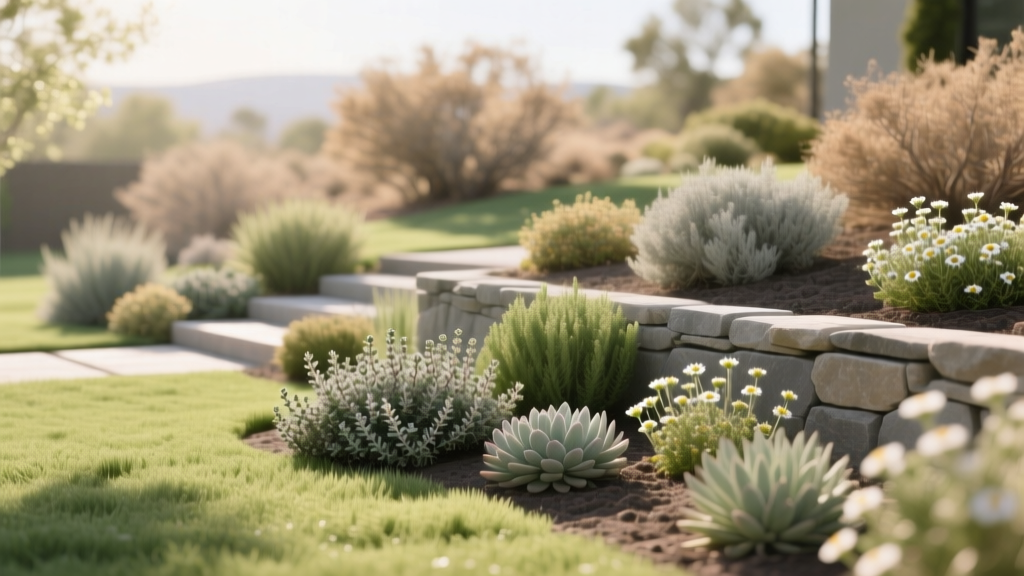
Drought-Tolerant Groundcovers to Replace Thirsty Lawns
Mike RodriguezPublished
The Hidden Costs of Thirsty Turf Lawns
For decades, the sprawling, emerald-green Kentucky Bluegrass or Tall Fescue lawn has been the default standard for American curb appeal. However, as climate patterns shift and prolonged droughts become the norm in many regions, maintaining traditional turf is becoming both an ecological and financial burden. According to the Environmental Protection Agency (EPA), landscape irrigation accounts for nearly one-third of all residential water use, totaling almost 9 billion gallons per day nationwide. In arid and semi-arid climates, that number can surge to 60% of a household's daily water consumption during peak summer months.
Replacing just 1,000 square feet of thirsty turf with drought-tolerant groundcovers can save up to 25,000 gallons of water annually. Beyond water conservation, traditional lawns demand weekly mowing, seasonal aeration, core fertilization, and chemical weed control. By transitioning to living, water-wise groundcovers, homeowners can drastically reduce their weekend chore list while cultivating a dynamic, textured landscape that supports local pollinators.
Top Drought-Tolerant Groundcovers for Sun and Shade
Not all bare soil needs to be covered in decomposed granite or river rock. Living groundcovers provide vital soil cooling, prevent erosion, and sequester carbon. Here are four exceptional, low-water alternatives to traditional turf:
1. Kurapia (Phyla nodiflora)
Developed by researchers at the University of California, Kurapia is a sterile, drought-deciduous groundcover that thrives in full sun and poor soils. It requires up to 60% less water than traditional cool-season turf and grows to a maximum height of 3 to 6 inches. It produces small white flowers that attract bees, though it can be mowed to prevent flowering if desired. Plant plugs on 15-inch centers for full coverage within 3 to 4 months during the growing season.
2. Creeping Thyme (Thymus serpyllum)
Ideal for high-traffic areas and pathways, Creeping Thyme is a woody, aromatic perennial that tolerates light foot traffic. It thrives in full sun, requires excellent drainage, and forms a dense, 2-inch-tall mat of tiny green leaves. In late spring, it erupts in vibrant pink or purple blooms. Space 4-inch pots about 8 to 12 inches apart. Cost averages $0.75 to $1.25 per plug.
3. Dymondia (Dymondia margaretae)
Also known as "Silver Carpet," Dymondia features striking grey-green foliage with white, felt-like undersides. It is highly tolerant of coastal conditions, poor soil, and moderate foot traffic. Dymondia requires deep but infrequent watering once established, thriving on a 14-day irrigation cycle in the heat of summer. Expect to pay around $1.50 per 1-gallon plant, spacing them 12 inches apart.
4. Creeping Rosemary (Rosmarinus officinalis 'Prostratus')
For slopes, banks, and areas where foot traffic is not a concern, Creeping Rosemary is an unparalleled evergreen groundcover. It cascades beautifully over retaining walls and requires minimal water once its deep taproot system is established. It provides excellent winter interest and culinary value. Space 1-gallon plants 3 feet apart for rapid slope stabilization.
Cost and Resource Comparison: Turf vs. Groundcovers
When evaluating landscape investments, it is crucial to look beyond the initial installation costs and consider the long-term operational expenses. The following table illustrates the stark contrast between maintaining traditional turf and a drought-tolerant living groundcover like Kurapia or Creeping Thyme.
| Metric | Kentucky Bluegrass Turf | Drought-Tolerant Groundcover |
|---|---|---|
| Annual Water Usage (per 1,000 sq ft) | 35,000 - 50,000 gallons | 10,000 - 15,000 gallons |
| Summer Irrigation Frequency | 3 to 5 times per week | 1 to 2 times per week (deep soak) |
| Annual Fertilizer Requirement | 3 to 4 lbs Nitrogen / 1,000 sq ft | 0 lbs (Low fertility preferred) |
| Mowing Requirement | Weekly (25+ cuts per year) | None (or optional once a year) |
| Estimated 5-Year Maintenance Cost | $1,500 - $2,500 | $150 - $300 |
Step-by-Step Lawn Removal and Soil Preparation
The success of your new water-wise landscape hinges entirely on how you remove the existing turf and prepare the soil bed. Tilling the old lawn often brings dormant weed seeds to the surface and destroys the existing soil structure. Instead, utilize the sheet mulching method.
The Sheet Mulching Method
- Mow and Scalp: Mow the existing grass as short as your mower allows. Leave the clippings on the lawn to decompose and return nitrogen to the soil.
- Hydrate the Soil: Water the area deeply to encourage microbial activity and speed up the decomposition process.
- Apply Cardboard: Lay down overlapping layers of plain, uncoated corrugated cardboard. Remove all tape and staples. Overlap the edges by at least 6 inches to prevent stubborn grasses like Bermuda from finding a gap and pushing through.
- Add Compost and Mulch: Apply a 2-inch layer of high-quality organic compost directly over the cardboard, followed by 3 to 4 inches of arborist wood chips or shredded bark mulch.
- Wait and Rest: Allow the area to rest for 8 to 12 weeks. The grass beneath will die and compost in place, leaving you with a rich, friable planting bed.
Optimizing Soil Permeability and Amendment
Drought-tolerant groundcovers, particularly those native to Mediterranean or coastal climates, despise "wet feet." Heavy clay soils that retain moisture can quickly lead to root rot and fungal pathogens. Before planting, it is critical to assess your soil drainage. Dig a test hole 12 inches deep and fill it with water. If the water takes more than four hours to drain, you must amend the soil.
Instead of adding sand to clay—which can inadvertently create a concrete-like texture—incorporate expanded shale or pumice. Apply a 2-inch layer of 1/4-inch expanded shale over your planting area and mix it into the top 6 inches of native soil using a broadfork or garden fork. This permanently improves soil aeration and drainage without depleting over time like organic compost. Additionally, top-dressing with a 1-inch layer of fine compost will provide the necessary slow-release nutrients to help young plugs establish their root systems during the first critical growing season.
Designing a High-Efficiency Drip Irrigation System
One of the most common mistakes homeowners make when converting to drought-tolerant plants is leaving the old overhead spray rotors in place. Overhead spraying leads to massive evaporation loss and encourages fungal diseases on the foliage of Mediterranean and succulent plants.
Convert your irrigation zones to a sub-surface or point-source drip system. For groundcovers planted on a grid, use a drip grid system like Netafim Techline CV, which features built-in emitters spaced every 12 inches with a flow rate of 0.6 to 0.9 Gallons Per Hour (GPH). Lay the tubing in a 12-inch diamond pattern across the planting bed, securing it with 6-inch galvanized landscape staples. Cover the drip lines with 2 inches of mulch to protect the tubing from UV degradation and to further reduce soil surface evaporation.
For the first 8 weeks post-planting, run the drip system for 30 minutes every three days to help the plugs establish their root zones. Once established, transition to a deep, infrequent watering schedule—such as 45 minutes once a week—to encourage deep root growth and maximize drought resilience.
Navigating Turf Replacement Rebates
Because the water savings associated with turf removal are so significant, many local municipalities and water districts heavily subsidize the transition. Programs like the Metropolitan Water District of Southern California's Turf Replacement Program have historically offered rebates of up to $2.00 per square foot of grass removed. Similarly, local water providers in Texas, Nevada, and Arizona offer tiered rebates that can cover 50% to 100% of your material costs for soil amendments, drip irrigation supplies, and drought-tolerant plant plugs.
Before breaking ground, always check with your local water authority. Most programs require a pre-inspection and photographic documentation of your existing turf, as well as a detailed site plan showing the proposed permeable hardscaping, plant density, and irrigation zones. By leveraging these rebates, a front-yard xeriscape conversion that might cost $4.00 per square foot out-of-pocket can often be completed for less than $1.50 per square foot, yielding a return on investment in water savings within just three to four years.
Transitioning to drought-tolerant groundcovers is more than a landscaping trend; it is a vital step toward sustainable property management. By selecting the right plants for your microclimate, utilizing sheet mulching, and installing precision drip irrigation, you can cultivate a vibrant, resilient landscape that thrives in harmony with your local environment. For more region-specific planting guides and soil management techniques, consult resources from the University of California Agriculture and Natural Resources catalog to ensure your water-wise garden flourishes for decades to come.

