
Landscaping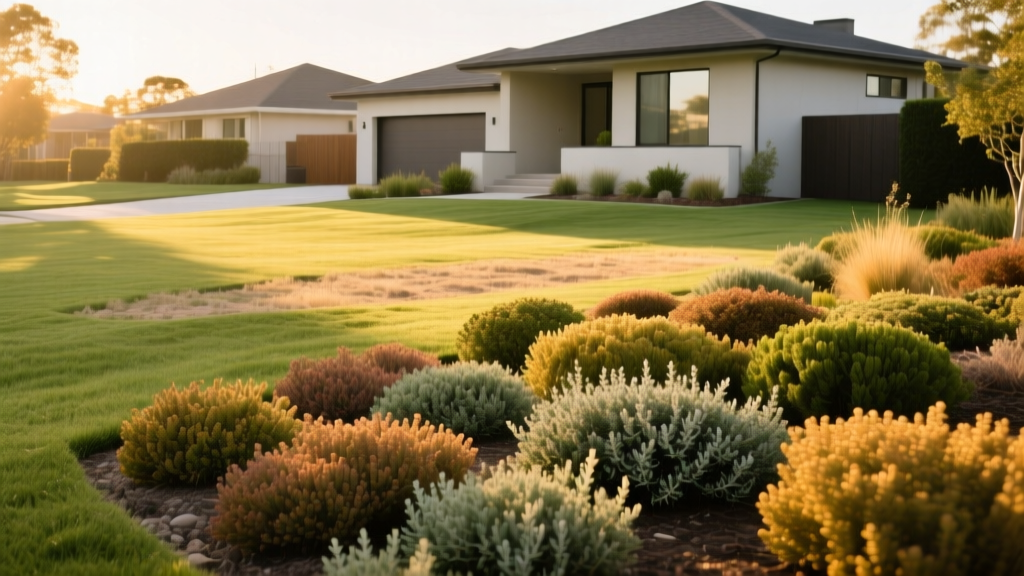
Replace Thirsty Turf With Drought-Tolerant Groundcovers
Anna KowalskiPublished
As water restrictions tighten and summer temperatures continue to break records, the traditional American lawn is undergoing a massive paradigm shift. Homeowners and landscape professionals alike are recognizing that vast expanses of thirsty turfgrass are no longer sustainable in many climates. Transitioning to a water-wise landscape does not mean sacrificing curb appeal or functionality. Instead, it invites an opportunity to reimagine outdoor spaces using drought-tolerant groundcovers that thrive on minimal irrigation while providing lush, vibrant, and ecologically beneficial alternatives to conventional grass.
The True Cost of Traditional Turfgrass
Maintaining a pristine carpet of Kentucky Bluegrass, Tall Fescue, or Bermudagrass requires an immense input of resources. Beyond the weekly mowing, edging, and fertilizing, the sheer volume of water required to keep turfgrass green during peak summer months is staggering. According to the EPA WaterSense program, the average American family uses 320 gallons of water per day, and nearly 30% of that is dedicated to outdoor uses. In arid and semi-arid regions, outdoor water use can account for up to 60% of a household's total daily consumption, with the vast majority going directly toward irrigating turfgrass.
The financial toll is equally burdensome. Between municipal water rates, gasoline for mowers, and chemical treatments, a standard 5,000-square-foot lawn can cost homeowners upwards of $1,500 to $2,500 annually to maintain. By replacing non-functional turf areas—such as steep slopes, narrow parkways, and shaded side yards—with drought-tolerant groundcovers, you can reduce outdoor water usage by 50% to 75% while virtually eliminating the need for mowing and synthetic fertilizers.
Top Drought-Tolerant Groundcovers for Turf Replacement
When selecting a groundcover to replace turf, it is crucial to match the plant's characteristics to the specific microclimate of your yard. Factors such as sun exposure, soil drainage, and expected foot traffic will dictate which species will thrive. Below is a comparison of some of the most effective, water-wise groundcovers available on the market today.
| Plant Species | Water Needs (Post-Establishment) | Foot Traffic Tolerance | Est. Installation Cost (per sq. ft.) |
|---|---|---|---|
| Kurapia (Lippia nodiflora) | Very Low (Deep soak every 2-3 weeks) | Moderate to High | $1.50 - $2.50 (Plugs) |
| Creeping Thyme (Thymus serpyllum) | Low (Water when top 2" are dry) | Light to Moderate | $0.80 - $1.20 (Plugs) |
| White Microclover (Trifolium repens) | Moderate to Low | Moderate | $0.15 - $0.30 (Seed) |
| Stonecrop (Sedum spurium) | Extremely Low (Rainfall often sufficient) | None (Ornamental only) | $1.00 - $1.50 (Plugs) |
1. Kurapia (Lippia nodiflora)
Kurapia is a highly resilient, sterile cultivar of Lippia that has taken the water-wise landscaping world by storm. It develops a deep taproot system that can reach up to six feet into the soil, allowing it to access subterranean moisture that shallow-rooted turfgrasses cannot reach. Kurapia forms a dense, bright green mat and produces small white flowers that attract pollinators. Because it is a sterile variety, it will not spread aggressively into neighboring garden beds via seed, making it a well-behaved alternative for front yards and parkways.
2. Creeping Thyme (Thymus serpyllum)
For areas that receive full sun and have well-draining soil, Creeping Thyme is an exceptional choice. This aromatic, woody perennial grows only 2 to 4 inches tall and can withstand light foot traffic, making it ideal for planting between stepping stones or along pathways. During the early summer, it erupts in a carpet of tiny pink or purple blossoms. Once established, Creeping Thyme requires minimal supplemental watering and actually prefers to be slightly stressed, which encourages tighter, denser growth.
3. White Microclover (Trifolium repens var. Pirouette)
Microclover is a fantastic option for homeowners who want the look and feel of a traditional lawn without the heavy water and fertilizer requirements. Unlike standard white clover, microclover has tiny leaves, grows low to the ground, and blends seamlessly with existing grass if overseeded. As a legume, it naturally fixes nitrogen from the atmosphere into the soil, completely eliminating the need for synthetic nitrogen fertilizers. Products like Pennington Smart Seed Microclover make establishment easy, and it requires roughly 30% less water than traditional turfgrass to stay green.
Step-by-Step Turf Removal: The Sheet Mulching Method
Before you can plant your new drought-tolerant groundcover, the existing turf must be removed. While chemical herbicides and gas-powered sod cutters are common, they are environmentally damaging and labor-intensive. The most sustainable and soil-building method is sheet mulching, also known as lasagna gardening.
"Sheet mulching not only suppresses existing weeds and grass but also builds soil health by encouraging earthworm activity and microbial breakdown of organic matter, creating a perfect seedbed for new groundcovers." - University of California Agriculture and Natural Resources (UC ANR)
Step 1: Scalp the Lawn. Mow the existing grass as low as your mower deck will allow. Leave the clippings on the lawn to decompose and return nitrogen to the soil.
Step 2: Lay the Barrier. Cover the entire area with overlapping sheets of plain, uncoated corrugated cardboard. Remove all tape and staples. Overlap the edges by at least 6 inches to prevent opportunistic weeds from finding a gap. Wet the cardboard thoroughly with a hose so it conforms to the soil contours and begins breaking down.
Step 3: Add Compost and Mulch. Spread a 2-inch layer of organic compost directly over the wet cardboard. Follow this with 3 to 4 inches of coarse organic mulch, such as arborist wood chips or shredded bark. This layers mimics the natural forest floor, smothering the grass below while retaining moisture.
Step 4: Wait and Plant. For the best results, perform this process in the fall or early spring and let the area sit for 8 to 12 weeks. When you are ready to plant, simply slice an "X" into the cardboard, dig a small hole, and insert your groundcover plug.
Planting and the Critical 90-Day Establishment Period
A common misconception about drought-tolerant plants is that they require no water at all. While they are highly water-efficient once mature, the first 90 days are a critical establishment period where the plant must develop a robust root system. If you are planting plugs (small starter plants), space them according to the species' mature spread. For Kurapia and Creeping Thyme, a spacing of 12 inches on center is standard for achieving full coverage within one growing season.
To maximize water efficiency during establishment, abandon overhead sprinklers, which lose up to 30% of water to wind drift and evaporation. Instead, install a temporary or permanent drip irrigation system. Using 1/4-inch Netafim drip tubing with inline emitters spaced every 6 inches ensures that water is delivered directly to the root zone. According to xeriscaping guidelines outlined by Colorado State University Extension, grouping plants with similar water needs into specific "hydrozones" prevents overwatering drought-tolerant species while ensuring adequate moisture for newly planted specimens.
Establishment Watering Schedule:
- Weeks 1-2: Water daily for 10-15 minutes via drip lines to keep the root ball consistently moist.
- Weeks 3-6: Reduce frequency to every other day, but increase the duration to encourage deeper root growth.
- Weeks 7-12: Transition to a deep, infrequent watering schedule (e.g., twice a week for 30 minutes).
- Post-Establishment: Cut back to a deep soak once every 10 to 14 days during the heat of summer, and rely primarily on natural rainfall during cooler months.
Long-Term Maintenance and Curb Appeal
Once your groundcover has filled in and established its deep root system, maintenance drops dramatically. However, a water-wise landscape still requires mindful stewardship to maintain its aesthetic appeal. The primary ongoing task will be weed management. Because groundcovers like Kurapia and Thyme form dense mats, they naturally suppress most weeds, but occasional hand-pulling of invasive species like bindweed or spurge may be necessary during the first year.
Edging is another vital component of curb appeal. Install physical barriers, such as steel landscape edging or poured concrete curbing, to separate your groundcover from hardscapes, sidewalks, and adjacent garden beds. This prevents the plants from creeping into unwanted areas and provides a crisp, manicured line that signals intentional landscape design rather than neglected overgrowth.
Finally, embrace the seasonal changes of your new landscape. Unlike traditional turfgrass, which is bred to remain a static, artificial green year-round (at the cost of massive irrigation), many drought-tolerant groundcovers offer dynamic seasonal interest. Creeping Thyme may turn a bronze hue in the winter, while Microclover will flush with vibrant white blooms in the spring. By shifting your perspective to appreciate these natural cycles, you not only conserve thousands of gallons of water annually but also cultivate a living, breathing landscape that supports local biodiversity and thrives in harmony with your regional climate.

