Gardening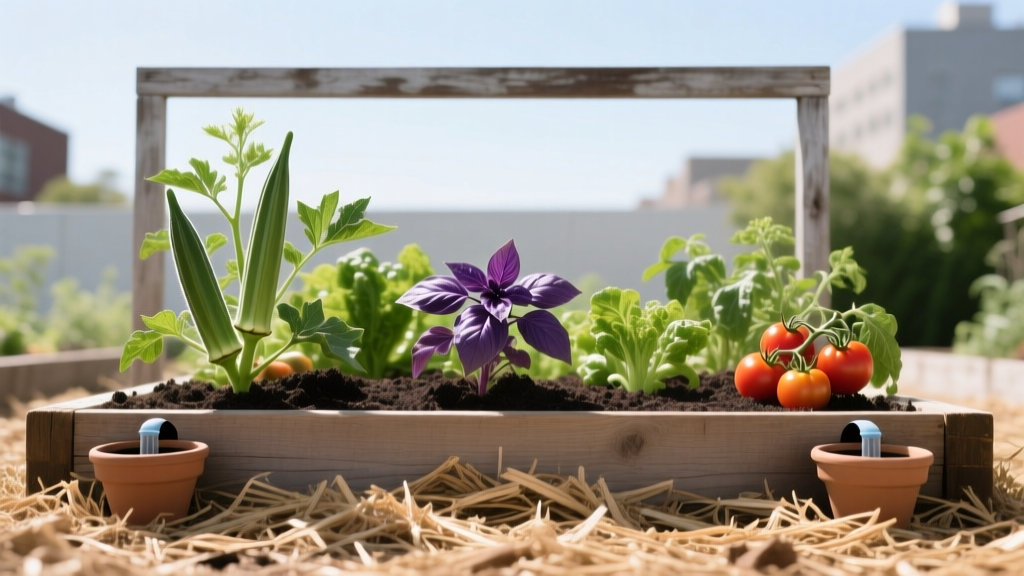
Drought-Proof Raised Bed Vegetables: Ollas & Mulch Guide
Emily WatsonPublished
Introduction to Water-Wise Raised Bed Gardening
Raised bed gardening has surged in popularity due to its ergonomic benefits, superior soil control, and enhanced drainage. However, the very features that make raised beds excellent for spring planting—rapid warming and exceptional drainage—become severe liabilities during summer droughts. When municipal watering restrictions tighten and rainfall becomes scarce, standard raised beds can dry out completely within 24 to 48 hours, stressing vegetable crops and halting fruit production.
To combat this, gardeners must shift from traditional surface watering to a comprehensive water-wise strategy. By integrating ancient irrigation technologies, advanced soil amendments, and strategic mulching, you can transform your raised beds into drought-resilient ecosystems. This guide details exactly how to build, plant, and maintain a water-wise raised bed vegetable garden that thrives even in the harshest dry spells, ultimately saving you time, money, and precious water resources.
The Secret Weapon: Olla Irrigation for Raised Beds
While drip irrigation is a modern standard, it still suffers from surface evaporation and wind drift. For ultimate drought-proofing, the ancient Olla (pronounced oy-yah) irrigation system is unmatched. An Olla is an unglazed, porous terracotta pot that is buried in the soil up to its neck and filled with water. The water slowly seeps through the clay walls directly into the root zone, driven by soil moisture tension. If the soil is wet, the seepage stops; if the soil dries out, the water flows. This guarantees near 100% water efficiency.
Installation and Spacing Guide
For a standard 4x8-foot raised bed, you will need approximately four large ollas (such as the GrowOya Large 3-Gallon Olla, which retails for around $35 each). Bury the ollas so that only one inch of the neck remains above the soil line. Space them evenly in a grid, roughly 24 inches apart. Plant your vegetable transplants within a 12-to-18-inch radius of each olla. Roots will naturally gravitate toward the moisture source, creating a dense, efficient root ball that insulates the plant against heat stress.
According to the EPA WaterSense program, outdoor water use accounts for nearly 30% of total household water consumption, making highly efficient, targeted sub-surface irrigation methods like ollas critical for sustainable landscaping and gardening.
Soil Preparation: Building a Moisture-Retentive Sponge
Standard raised bed soil mixes, often heavy in peat moss and sand, drain too quickly for drought conditions. To create a moisture-retentive sponge, you must amend your soil profile before planting.
The Hugelkultur Base Method
If you are building a new raised bed or refreshing an old one, utilize the Hugelkultur technique at the bottom third of the bed. Layer rotting logs, thick branches, and twigs to a depth of 8 to 12 inches. As this woody material decomposes, it acts like a giant sponge, holding massive amounts of water and slowly releasing it upward into the topsoil during dry periods. This single technique can reduce your watering frequency by up to 50%.
Amending the Topsoil
For the top 12 inches of your raised bed, incorporate the following drought-resistant amendments:
- Coconut Coir: Replace peat moss with coconut coir (e.g., Black Gold Organic Coco Blend). Coir rewets much easier than peat when completely dried out and holds up to 10 times its weight in water.
- Biochar: Add horticultural biochar (such as Duda Energy Biochar) at a rate of 5% to 10% by volume. Biochar's microscopic porous structure provides a permanent reservoir for water and nutrients, preventing them from leaching out of the bed.
- Compost: Use high-quality, well-aged compost to improve soil aggregation, which creates microscopic pore spaces that trap water.
Strategic Mulching Techniques
Bare soil is an invitation for evaporation. A robust mulching strategy is non-negotiable for water-wise gardening. Mulch lowers soil temperatures by up to 15°F and drastically reduces surface evaporation.
Choosing the Right Mulch
For vegetable raised beds, avoid dyed wood chips or large bark nuggets, which can tie up nitrogen as they break down and create hydrophobic barriers. Instead, opt for:
- Seedless Straw: Apply a 3-to-4-inch layer. A standard bale (approx. $8-$12) covers about 100 square feet. Straw allows water to penetrate easily while shading the soil.
- Shredded Autumn Leaves: Run over dry leaves with a lawnmower to shred them before applying a 2-inch layer. Shredded leaves mat together slightly, blocking weeds while retaining moisture.
- Living Mulch: Plant low-growing, drought-tolerant ground covers like sweet alyssum or white clover between your main crops to shade the soil naturally.
Timing Tip: Do not apply heavy mulch immediately after planting seeds, as it can block germination. Wait until seedlings are 3 to 4 inches tall, or apply mulch around transplants immediately, keeping it two inches away from the main stem to prevent rot.
Choosing Drought-Tolerant Vegetable Varieties
Not all vegetables are created equal when it comes to water needs. Shifting your crop selection to naturally drought-hardy varieties is a cornerstone of water-wise gardening. Researchers at the University of California Agriculture and Natural Resources (UC ANR) emphasize that selecting appropriate crop varieties and adjusting planting dates are among the most effective strategies for managing gardens during severe drought years.
| Crop Category | High Water-Use (Avoid in Drought) | Drought-Tolerant Alternatives | Water-Wise Growing Tips |
|---|---|---|---|
| Tomatoes | Large Beefsteak, Cherry Tomatoes | Roma, San Marzano, Early Girl | Dry-farm once established; deep water only once a week. |
| Legumes | Sugar Snap Peas, Green Beans | Cowpeas (Black-eyed peas), Tepary Beans | Inoculate seeds with rhizobia; excellent for hot, dry climates. |
| Leafy Greens | Iceberg Lettuce, Spinach | Swiss Chard, Amaranth, Orach | Provide afternoon shade; harvest outer leaves continuously. |
| Squash | Zucchini, Summer Squash | Tromboncino, Waltham Butternut | Allow vines to sprawl to shade soil; deep taproots seek moisture. |
| Herbs | Cilantro, Basil | Rosemary, Oregano, Thyme, Sage | Plant in the hottest, sunniest corners of the raised bed. |
Maintenance and Monitoring Protocols
Even the most drought-tolerant garden requires observation. During peak summer heat, check your ollas every 2 to 3 days. A 3-gallon olla buried in a heavily planted raised bed may need refilling twice a week during a 95°F+ heatwave, but only once every 10 days during cooler, overcast periods. This natural regulation is what makes the system so efficient.
Additionally, utilize a soil moisture meter to verify that water is migrating laterally from the olla. Insert the probe halfway between the olla and the plant. If the soil is dry at a 6-inch depth, your soil composition may need more biochar or coir to improve lateral wicking.
Finally, practice deficit irrigation for fruiting crops like tomatoes and peppers. Once the plants have established a deep root system and set their first fruit, intentionally allowing the top few inches of soil to dry out forces the roots to dive deeper and concentrates the sugars in the fruit, resulting in a more flavorful harvest despite the lack of water.
Conclusion
Drought conditions do not have to mean the end of your home vegetable production. By rethinking your irrigation with sub-surface ollas, engineering your soil with hugelkultur and biochar, applying strategic organic mulches, and selecting resilient crop varieties, your raised beds can become self-sustaining oases. Implementing these water-wise strategies not only conserves a vital natural resource but also fosters deeper, healthier root systems that yield robust harvests year after year, regardless of the rain forecast.
