Tree Care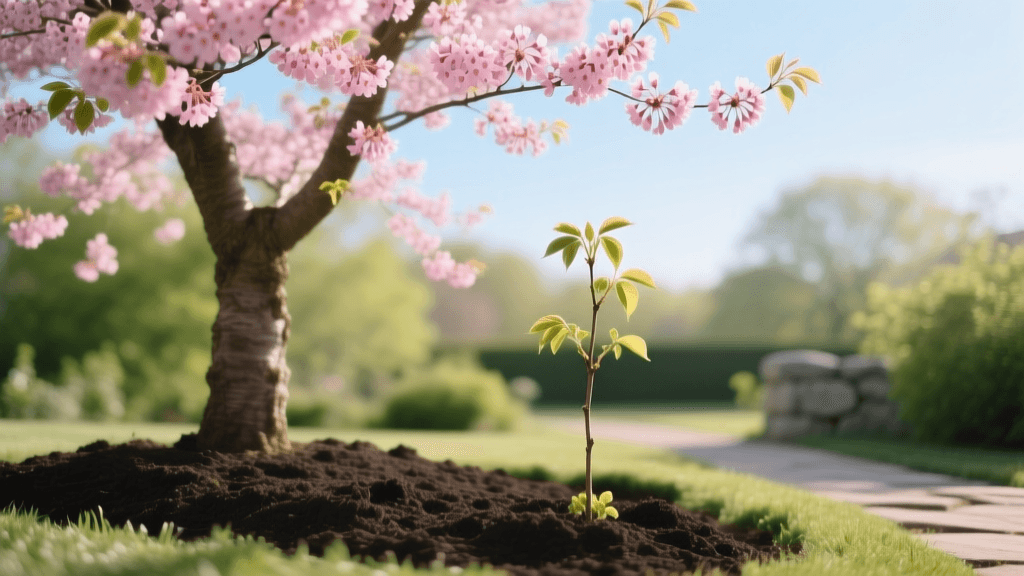
Beginner’s Guide to Planting and Growing Eastern Redbud Trees
Introduction to the Eastern Redbud
The Eastern Redbud (Cercis canadensis) is one of the most beloved ornamental trees in North America, celebrated for its breathtaking early spring blooms and graceful, spreading canopy. For beginner gardeners and homeowners looking to elevate their landscape without taking on the high-maintenance demands of more temperamental species, the Eastern Redbud is an exceptional choice. Native to eastern and central North America, this deciduous tree naturally thrives as an understory species, meaning it is perfectly adapted to growing in the dappled shade of larger trees or standing proudly on its own in a sunny front yard.
Whether you are looking to create a stunning focal point near your patio, line a driveway with vibrant pink and purple blossoms, or simply attract native pollinators to your garden, understanding the fundamentals of Redbud care is essential. In this comprehensive, beginner-friendly guide, we will walk you through everything you need to know about planting, watering, pruning, and protecting your Eastern Redbud tree so it thrives for decades.
Why Choose the Eastern Redbud for Your Landscape?
Before breaking ground, it is helpful to understand why this specific tree is a staple in residential landscaping. First, the aesthetic appeal is undeniable. In early spring, before the heart-shaped leaves even begin to emerge, the bare branches erupt in clusters of vivid, magenta-pink, pea-like flowers. This phenomenon, known as cauliflory, creates a striking visual display that few other trees can match.
Beyond its beauty, the Eastern Redbud is highly adaptable. It tolerates a variety of soil types, including clay, loam, and sandy soils, provided there is adequate drainage. It is also relatively compact, typically reaching a mature height of 20 to 30 feet with a slightly wider spread. This makes it an ideal candidate for small to medium-sized yards where massive shade trees like oaks or maples would overwhelm the space. Furthermore, according to the Arbor Day Foundation, planting native species like the Redbud supports local ecosystems by providing early-season nectar for bees and seeds for birds later in the year.
Ideal Growing Conditions
To set your Eastern Redbud up for success, you must match the tree to the right microclimate in your yard. While they are forgiving, providing optimal conditions from day one will result in faster establishment and more prolific blooming. Below is a quick-reference chart detailing the ideal growing parameters for Cercis canadensis.
| Attribute | Ideal Requirement |
|---|---|
| USDA Hardiness Zones | 4 to 9 |
| Sun Exposure | Full sun to partial shade (minimum 4 hours of direct sun) |
| Soil Type | Well-draining loam, sandy, or clay soils |
| Soil pH | Slightly acidic to neutral (6.0 to 7.0) |
| Mature Height | 20 to 30 feet |
| Mature Spread | 25 to 35 feet |
| Growth Rate | Moderate (1 to 2 feet per year) |
Step-by-Step Planting Guide for Beginners
Proper planting technique is the single most important factor in the long-term health of your tree. A 5-gallon nursery-grown Eastern Redbud typically costs between $60 and $120, making it a worthwhile investment that you want to protect by planting it correctly.
1. Timing Your Planting
The best time to plant an Eastern Redbud is in the early spring, after the ground has thawed but before the summer heat sets in, or in the early fall, which gives the roots time to establish before winter dormancy. Avoid planting during the peak of summer or when the ground is frozen.
2. Selecting and Preparing the Site
Choose a location that offers morning sun and afternoon shade, especially if you live in the hotter southern end of its hardiness range (Zones 8-9). Ensure the site is at least 15 feet away from your home's foundation and clear of overhead power lines. Call your local utility marking service (like 811 in the US) a few days before digging to ensure you do not strike underground lines.
3. Digging the Hole
Dig a hole that is two to three times as wide as the tree's root ball, but no deeper than the root ball itself. The Penn State Extension emphasizes that planting trees too deeply is a leading cause of transplant failure. The root flare (the point where the trunk widens at the base) should sit slightly above or exactly at the level of the surrounding grade.
4. Placing the Tree and Backfilling
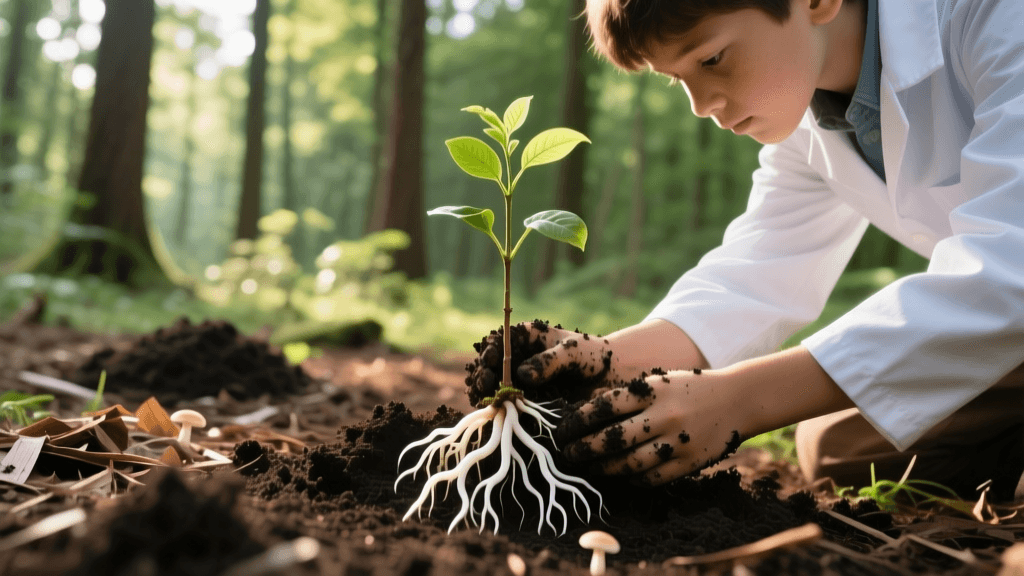
Gently remove the tree from its nursery pot. If the roots are circling tightly, gently tease them outward with your fingers or a hand fork to encourage outward growth. Place the tree in the center of the hole. Backfill with the native soil you just dug out. Avoid amending the backfill with heavy compost or potting soil, as this can create a "bathtub effect" where water pools in the loose soil and rots the roots.
5. Watering In
Immediately after backfilling, water the tree deeply with a slow trickle from a garden hose for about 20 to 30 minutes to eliminate air pockets and settle the soil around the roots.
Watering, Mulching, and Fertilizing
Young Eastern Redbuds require consistent moisture during their first two growing seasons to develop a robust root system. Water your newly planted tree deeply once or twice a week, depending on rainfall. A good rule of thumb is to provide 10 to 15 gallons of water per week during dry spells. Use a soaker hose or let a standard hose run at a slow drip near the base of the tree for 30 minutes.
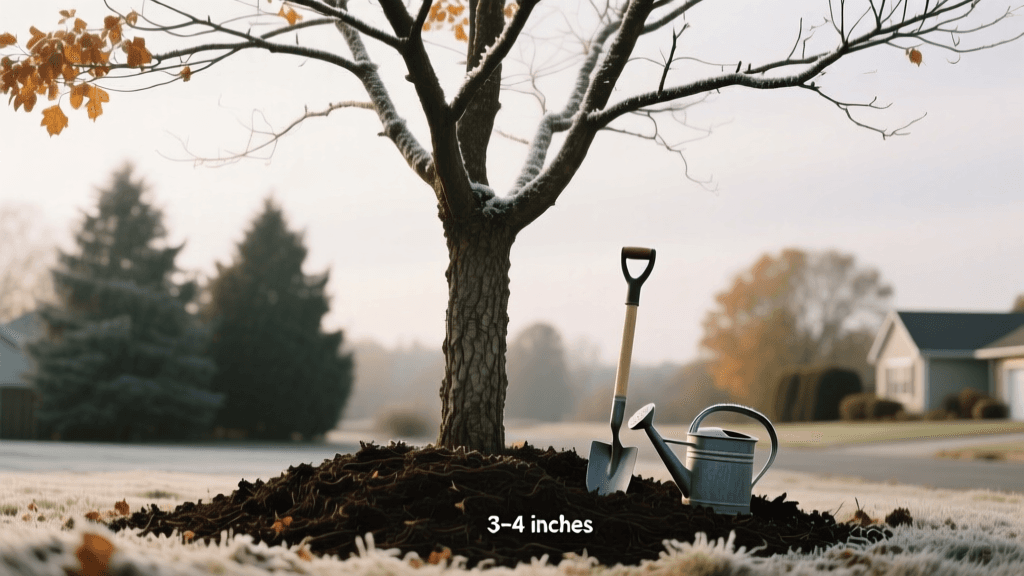
Mulching is non-negotiable for tree health. Apply a 2 to 4-inch layer of organic mulch, such as shredded hardwood bark or arborist wood chips, in a wide ring around the base of the tree. Crucially, keep the mulch at least 3 inches away from the actual trunk to prevent "volcano mulching," which traps moisture against the bark and invites rot and rodent damage. The mulch ring should ideally extend out to the tree's drip line as it matures.
Regarding fertilization, Eastern Redbuds generally do not require heavy feeding, especially if planted in reasonably fertile soil. If a soil test indicates a deficiency, apply a balanced, slow-release granular fertilizer like Espoma Tree-tone (6-3-2) in early spring just as the buds begin to swell. Follow the package instructions based on the trunk diameter, and water it in thoroughly.
Pruning and Long-Term Maintenance
One of the most appealing aspects of the Eastern Redbud for beginners is its low pruning requirement. However, some structural training in the early years is beneficial. Redbuds naturally tend to grow with multiple trunks or low-hanging branches. If you prefer a single-trunk tree form, select the strongest, most upright central leader during the first winter and prune away competing leaders.
Routine pruning should be performed in late winter or early spring while the tree is still dormant, before the sap begins to flow and the flower buds swell. Using a clean, sharp pair of bypass pruners or a pruning saw, remove any dead, diseased, or crossing branches. You should also prune away any water sprouts (vigorous vertical shoots) or root suckers that emerge from the base of the tree, as these drain energy from the main canopy. The Missouri Botanical Garden notes that pruning immediately after flowering is also acceptable if you need to shape the tree without sacrificing next year's bloom sites, though dormant pruning is generally preferred for disease prevention.
Common Pests and Diseases to Watch For
While generally hardy, Eastern Redbuds can be susceptible to a few specific issues. Being able to identify them early is key to effective management.
- Canker Diseases: Botryosphaeria canker is the most common fungal disease affecting Redbuds. It causes sunken, discolored lesions on branches, leading to dieback. There is no chemical cure; the best management is to prune out infected branches 6 to 8 inches below the visible canker during dry weather, sterilizing your tools with 70% rubbing alcohol between cuts.
- Verticillium Wilt: This soil-borne fungus blocks the tree's vascular system, causing leaves on one side of the tree to yellow, wilt, and drop prematurely. Maintain tree vigor through proper watering and mulching to help it resist infection.
- Redbud Leaf Folder: This small caterpillar folds the edges of the leaves together to create a shelter, causing cosmetic damage. In most cases, the damage is purely aesthetic and does not harm the overall health of the tree, so chemical intervention is rarely necessary.
- Scale Insects: These appear as small, immobile bumps on the twigs and branches. For minor infestations, apply horticultural oil in late winter to smother the overwintering pests.
Best Companion Plants for Eastern Redbuds
Because the Eastern Redbud naturally grows as an understory tree, it pairs beautifully with shade-tolerant perennials and shrubs that can handle the dappled light created by its canopy. Consider planting spring-blooming bulbs like daffodils or woodland phlox around the base to create a layered, multi-season display. As the Redbud's canopy fills out in summer, shade-loving perennials such as hostas, ferns, and astilbe will thrive in the cool root zone protected by your mulch ring. Avoid planting aggressive groundcovers like English ivy, which can climb the trunk and compete heavily for water and nutrients.
Frequently Asked Questions
How fast does an Eastern Redbud grow?
Under optimal conditions, an Eastern Redbud exhibits a moderate growth rate, typically adding 1 to 2 feet of height per year until it reaches its mature size of 20 to 30 feet.
Why isn't my Redbud tree blooming?
If your tree is failing to bloom, it may be due to its age, as Redbuds can take 3 to 5 years to produce their first significant flower display. Other culprits include excessive nitrogen fertilizer (which promotes leaf growth at the expense of flowers), improper pruning that removed the previous year's flower buds, or a late spring frost that killed the developing buds.
Do Eastern Redbuds have invasive roots?
No, Eastern Redbuds do not have aggressive or invasive root systems. Their roots tend to grow deep rather than wide and shallow, making them safe to plant near sidewalks, driveways, and patios, provided you give the trunk adequate clearance for its mature spread.
Can I grow an Eastern Redbud in a container?
While standard Eastern Redbuds are too large for long-term container growth, there are dwarf cultivars specifically bred for patios and small spaces. Varieties like 'Ace of Hearts' or 'Don Egolf' stay much smaller and can be grown in large, half-whiskey barrel-sized containers filled with a high-quality, well-draining potting mix, provided they are watered frequently and insulated during winter freezes.