Gardening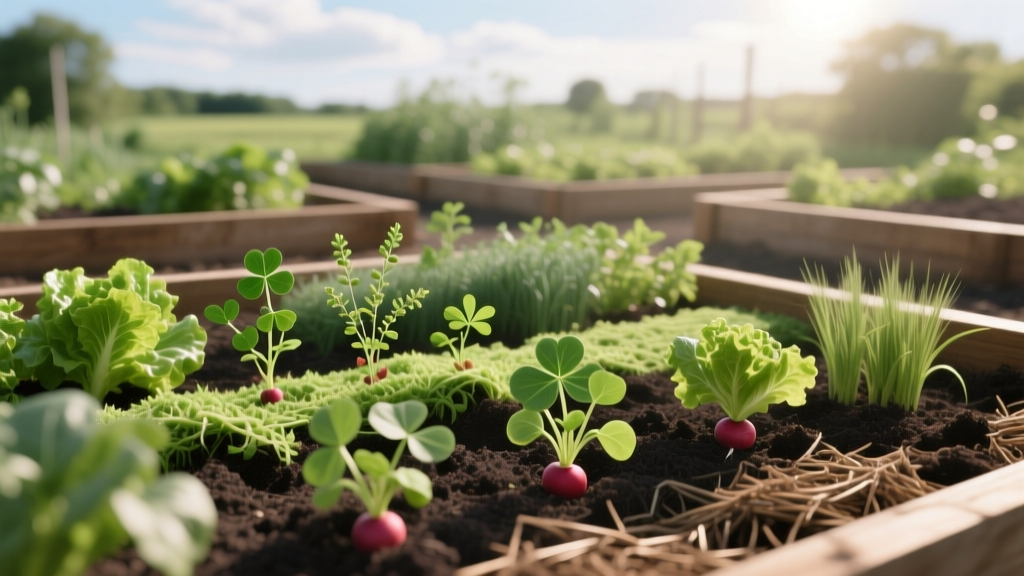
Eco-Friendly No-Till Gardening and Cover Cropping Guide
Emily WatsonPublished
The Philosophy of Eco-Friendly No-Till Gardening
For decades, the standard advice for preparing a vegetable garden involved deep tilling or rototilling the soil every spring. While this creates a loose, fluffy seedbed in the short term, it wreaks havoc on the complex soil food web. Tilling destroys mycorrhizal fungal networks, accelerates the decomposition of organic matter (releasing stored carbon into the atmosphere), and brings dormant weed seeds to the surface. Eco-friendly no-till gardening flips this paradigm. By minimizing soil disturbance, gardeners can sequester carbon, retain moisture, and foster a thriving ecosystem of beneficial microbes and earthworms. According to research highlighted by the Rodale Institute, no-till organic systems can outperform conventional tilled systems in drought years due to significantly higher water-holding capacity in the soil.
Step-by-Step: Transitioning to a No-Till Raised Bed
If you are converting a patch of lawn or compacted yard space into a productive vegetable bed, you do not need a rototiller. Instead, use a method called sheet mulching, often referred to as lasagna gardening. This eco-friendly method builds soil structure while smothering existing weeds.
Step 1: Mow and Prepare
Mow the existing grass or weeds as short as possible. Do not pull up the roots; leave them in the ground to decompose and add organic matter. Water the area deeply to encourage microbial activity.
Step 2: Lay the Weed Barrier
Cover the entire area with overlapping sheets of plain, uncoated brown cardboard. Remove any tape or glossy labels. The cardboard should extend at least 6 inches beyond your desired bed borders to prevent grass encroachment. Wet the cardboard thoroughly until it is soggy.
Step 3: Add Compost and Mulch
Apply a 2-to-3-inch layer of high-quality, screened compost directly on top of the cardboard. Follow this with a 3-to-4-inch layer of weed-free straw or shredded leaf mold. Total cost for a 4x8 foot bed is roughly $40 to $60, depending on local compost prices. Within 8 to 12 weeks, the grass underneath will die and decompose, and the cardboard will break down, leaving you with a rich, plantable medium.
Soil Testing and Surface Amendments
One common question among sustainable gardeners is how to incorporate soil amendments without tilling. The answer lies in the earthworms and soil biology. When you apply amendments to the surface, natural biological processes pull these nutrients down into the root zone. Before planting, conduct a standard soil test through your local university extension. Based on the results, broadcast your amendments—such as elemental sulfur for pH lowering, kelp meal for trace minerals, or rock phosphate for phosphorus—directly on top of the soil. A light scratch with a hand cultivator (disturbing no more than the top 1 inch) is sufficient to make contact with the soil surface. Subsequent waterings and earthworm activity will do the heavy lifting of incorporation.
The Role of Cover Crops in Sustainable Gardens
Cover crops, often referred to as green manure, are the cornerstone of sustainable soil management. Instead of leaving your vegetable beds bare and vulnerable to erosion during the off-season, you plant specific crops designed to protect and enrich the soil. The USDA Sustainable Agriculture Research and Education (SARE) program notes that cover crops can increase soil organic matter, fix atmospheric nitrogen, and break disease cycles. In a home garden, they also provide crucial overwintering habitat for beneficial predatory insects.
Cover Crop Comparison Chart
Selecting the right cover crop depends on your climate zone, the time of year, and your specific soil needs. Below is a comparison chart of three highly effective cover crops for home gardeners.
| Cover Crop | Primary Benefit | Planting Time | Termination Method |
|---|---|---|---|
| Crimson Clover | Nitrogen fixation (up to 100 lbs/acre), attracts pollinators | Late Summer / Early Fall | Winter-kill (Zone 6 and colder) or crimping |
| Cereal Rye | Massive biomass production, weed suppression, erosion control | Mid-to-Late Fall | Flail mowing and tarping (occultation) |
| Daikon Radish | Deep taproots break up compacted soil (biodrilling) | Late Summer | Naturally winter-kills in freezing temperatures |
How to Terminate Cover Crops Without Tilling
The most challenging aspect of no-till gardening is terminating the cover crop before planting your cash crops (like tomatoes or peppers) without resorting to a tiller. Improper termination can lead to cover crops competing with your vegetables for water and nutrients. Here are three eco-friendly termination methods:
1. Occultation (Tarping)
Occultation involves covering the growing cover crop with a heavy, UV-treated silage tarp (typically 6 mil thick). The tarp blocks sunlight, effectively killing the plants through photosynthesis deprivation while trapping heat to accelerate decomposition. As detailed by the Cornell Small Farms Program, this process takes 3 to 4 weeks in the spring. Once removed, the soil is covered in a dead mulch mat, ready for transplanting.
2. Crimping
For grain cover crops like rye or wheat, you can use a manual roller-crimper or simply tread heavily on the stems at the base to snap them. This must be done at the anthesis (flowering) stage; if done too early, the rye will simply stand back up and continue growing.
3. Winter-Kill
If you live in a climate with hard freezes, planting frost-tender crops like oats or daikon radishes in late summer is a foolproof strategy. The winter cold will naturally terminate the crop, leaving a protective, decomposing mat of organic matter on the soil surface by early spring.
Mulching Strategies for Weed Suppression
In a no-till system, the soil surface should never be left bare. Bare soil invites weed seeds to germinate and causes moisture evaporation. After terminating your cover crop or planting your transplants, apply a 2-inch layer of organic mulch. Wheat straw, shredded autumn leaves, or grass clippings (untreated with herbicides) are excellent choices. Mulch moderates soil temperature, keeping roots cool during the peak of summer, and slowly breaks down to feed the soil food web. Avoid using dyed wood chips in vegetable beds, as they can tie up surface nitrogen during decomposition and may contain unwanted chemical residues.
Companion Planting in a No-Till System
Eco-friendly gardening extends beyond soil health to encompass the entire garden ecosystem. Companion planting in a no-till bed is highly effective because the undisturbed soil provides a stable habitat for beneficial insects and ground-dwelling predators like spiders and ground beetles. Interplant your vegetables with flowering herbs and companion plants. For example, planting sweet alyssum near tomatoes attracts hoverflies, whose larvae are voracious consumers of aphids. Sowing borage near squash and cucumbers provides a continuous nectar source for native bees, ensuring excellent pollination rates. Because you are not tilling, the root systems of these companion plants remain intact even after they die back, continuing to feed soil microbes.
Soil health is not just about adding fertilizers; it is about managing a living ecosystem. No-till practices and cover crops are the most powerful tools a gardener has to mimic natural ecological succession.
Long-Term Benefits and Yield Expectations
Transitioning to an eco-friendly no-till system requires patience. In the first year, you may encounter challenges with slug pressure (which thrives in heavy mulch) or slower soil warming in the spring. However, by years three and four, the benefits compound exponentially. Gardeners consistently report a dramatic reduction in weed pressure, as dormant weed seeds are no longer brought to the surface. Furthermore, the soil structure becomes incredibly friable, resembling a dark, crumbly sponge that absorbs heavy rainfall without pooling or runoff. Vegetable yields stabilize, and the need for external fertilizer inputs drops significantly as the natural nutrient cycling of the soil food web takes over. By embracing these sustainable methods, you are not just growing healthier food; you are actively regenerating the earth beneath your feet.
