Tree Care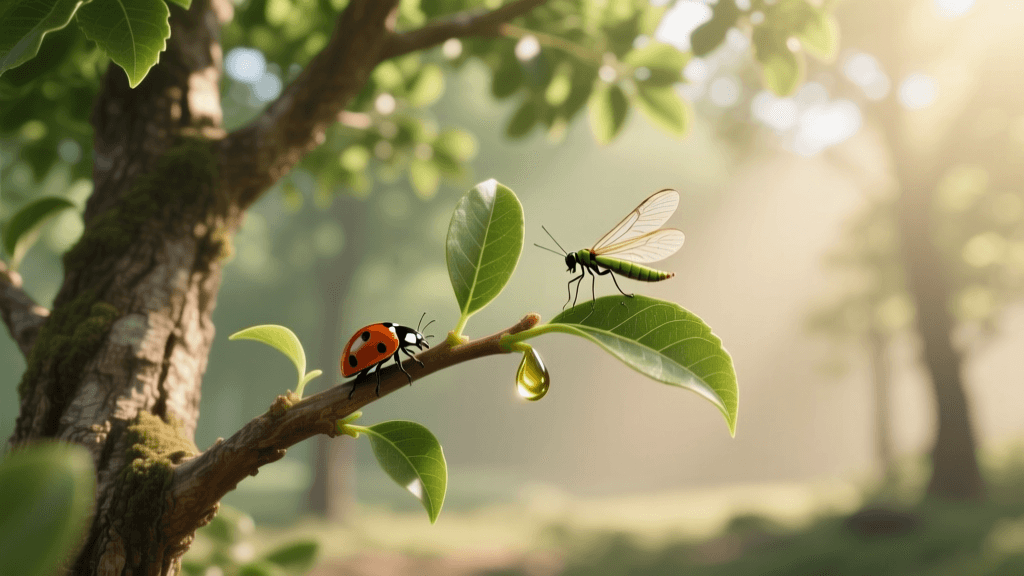
Eco-Friendly Tree Pest Control: Beneficial Insects & Organic Sprays
The Shift Toward Sustainable Tree Care
Trees are the foundational pillars of our home landscapes, providing essential shade, improving air quality, and increasing property values. However, when aphids, borers, or caterpillars invade, the instinctive reaction for many homeowners is to reach for broad-spectrum synthetic pesticides. While these chemicals may offer a quick fix, they come at a severe environmental cost. Synthetic pesticides decimate beneficial insect populations, disrupt the delicate soil microbiome, and can lead to toxic runoff that contaminates local waterways. Fortunately, the modern approach to arboriculture heavily favors eco-friendly tree pest control. By adopting sustainable methods, you can protect your trees while preserving the local ecosystem.
Understanding Integrated Pest Management (IPM)
The cornerstone of eco-friendly tree care is Integrated Pest Management (IPM). According to the Environmental Protection Agency (EPA), IPM is an effective and environmentally sensitive approach to pest management that relies on a combination of common-sense practices. Rather than blindly spraying chemicals, IPM focuses on understanding the life cycles of pests and their interaction with the environment.
The Four Pillars of Tree IPM
- Monitoring and Identification: Not all insects are enemies. Properly identifying whether a bug is a destructive borer or a beneficial predator is step one.
- Prevention: Maintaining tree vigor through proper mulching, watering, and pruning prevents pests from establishing in the first place.
- Setting Action Thresholds: Seeing a single aphid does not require treatment. IPM dictates that action is only taken when pest populations threaten the structural or biological health of the tree.
- Targeted Control: When thresholds are crossed, eco-friendly biological, mechanical, and organic chemical controls are deployed.
Top Eco-Friendly Organic Sprays and Drenches
When organic intervention is necessary, botanical and bacterial insecticides offer powerful control without the lingering environmental toxicity of synthetic alternatives. The University of California Statewide Integrated Pest Management Program (UC IPM) frequently recommends the following organic compounds for sustainable tree care.
1. Neem Oil (Azadirachtin)
Extracted from the seeds of the neem tree, neem oil is a powerhouse in organic arboriculture. It works as a contact insecticide, a repellent, and a hormone disruptor that prevents pests from molting and reproducing. Products like Bonide Neem Oil or Garden Safe Neem Oil Extract are widely available.
- Target Pests: Aphids, scale insects, spider mites, and whiteflies.
- Application Rate: Mix 1 to 2 tablespoons of concentrated neem oil per gallon of water, adding a few drops of mild liquid soap as an emulsifier.
- Timing: Apply in the early morning or late evening to prevent leaf burn and avoid harming foraging bees.
- Cost: Approximately $15 to $20 for a 16 oz concentrate, which treats dozens of mature trees.
2. Spinosad
Spinosad is a natural substance made by a soil bacterium that is highly toxic to chewing insects but breaks down rapidly in sunlight and soil. Brands like Captain Jack's Deadbug Brew utilize spinosad to target severe infestations.
- Target Pests: Bagworms, tent caterpillars, sawflies, and leaf-eating beetles.
- Application Rate: Typically 4 tablespoons per gallon of water for foliar sprays.
- Timing: Spray at dusk. Spinosad is highly toxic to bees when wet, but completely safe for pollinators once it has dried on the leaf surface (usually within 3 hours).
3. Beneficial Nematodes (Soil Drench)
For pests that overwinter in the soil or have a larval stage in the root zone, beneficial nematodes (microscopic worms) are a game-changer. Products containing Steinernema carpocapsae are applied as a soil drench around the tree's drip line.
- Target Pests: Emerald ash borer larvae, Japanese beetle grubs, and root weevils.
- Application Rate: 1 million nematodes per 2,000 square feet of soil area, mixed into a watering can and applied to moist soil.
Biological Controls: Harnessing Beneficial Insects
Nature has its own pest control workforce. Introducing or attracting beneficial insects is a highly sustainable method to keep tree pest populations in check. The Arbor Day Foundation emphasizes the importance of fostering a diverse ecosystem to naturally manage tree health threats.
Releasing Ladybugs and Green Lacewings
Ladybugs and green lacewings are voracious predators of soft-bodied insects like aphids and mealybugs. A single lacewing larva can consume up to 200 aphids per week. To ensure the beneficial insects stay in your trees after release:
- Hydrate the Canopy: Mist the tree leaves with water before release. Beneficial insects will fly away if they are thirsty and cannot find immediate moisture.
- Release at Dusk: Insects released during the heat of the day will immediately seek shelter or fly off. Releasing them at night encourages them to settle into the foliage.
- Provide Habitat: Plant native understory shrubs like yarrow, dill, and fennel near your trees to provide alternative pollen sources and overwintering habitats.
Comparison Chart: Organic Tree Pest Treatments
| Treatment Method | Primary Target Pests | Application Method | Estimated Cost | Pollinator Safety |
|---|---|---|---|---|
| Neem Oil (Azadirachtin) | Aphids, Scale, Mites | Foliar Spray | $15 - $20 / 16oz | Safe when dry; avoid direct contact with bees. |
| Spinosad | Caterpillars, Beetles, Sawflies | Foliar Spray | $15 - $25 / 16oz | Highly toxic when wet; safe once fully dried. |
| Beneficial Nematodes | Soil Grubs, Borer Larvae | Soil Drench | $30 - $40 / 10M | Completely safe; zero impact on pollinators. |
| Live Ladybugs / Lacewings | Aphids, Mealybugs, Whiteflies | Canopy Release | $15 - $30 / 1,500 bugs | 100% Safe; actively supports local food web. |
| Horticultural Oil (Dormant) | Overwintering Scale, Mite Eggs | Foliar/Bark Spray | $20 - $30 / Gallon | Safe; applied before spring pollinator emergence. |
Building Tree Immunity Through Sustainable Soil Care
Eco-friendly pest control is not just about treating outbreaks; it is about preventing them by building robust tree immunity. Trees planted in compacted, nutrient-poor soil are highly susceptible to pest invasions. Pests like the bronze birch borer almost exclusively attack trees that are already stressed by drought or poor soil conditions.
Compost Teas and Mycorrhizal Fungi
Instead of synthetic, salt-based fertilizers that can burn roots and harm earthworms, sustainable tree care utilizes aerated compost teas and mycorrhizal inoculants. Mycorrhizal fungi form a symbiotic relationship with tree roots, extending their reach and increasing water and nutrient uptake by up to 700%. Applying a granular mycorrhizal root dip during planting, or injecting it into the root zone of established trees, drastically improves drought tolerance and overall vigor.
Proper Mulching Techniques
Mulch acts as a slow-release organic fertilizer and a moisture retainer. However, improper mulching (often called "volcano mulching") invites rot and pests. Always apply a 2-to-4-inch layer of organic wood chips or shredded bark starting 3 inches away from the tree trunk and extending out to the drip line. This keeps the root flare exposed, preventing fungal diseases and rodent damage while suppressing competing weeds.
Best Practices for Eco-Friendly Application
Even organic treatments must be applied responsibly to maximize efficacy and minimize ecological disruption.
- Check the Weather: Never apply foliar sprays if rain is expected within 24 hours, as the treatment will wash into the soil and storm drains. Avoid spraying when temperatures exceed 85°F to prevent phytotoxicity (leaf burn).
- Use Proper Equipment: Invest in a high-quality pump sprayer with an adjustable nozzle. A fine mist ensures thorough coverage of the undersides of leaves, where pests like aphids and spider mites typically congregate.
- Rotate Treatments: Pests can develop resistance to any single compound, even organic ones. Alternate between neem oil, insecticidal soaps, and biological controls throughout the growing season.
Conclusion
Transitioning to eco-friendly tree pest control requires a shift in mindset from eradication to management and balance. By leveraging the principles of Integrated Pest Management, utilizing targeted organic compounds like neem oil and spinosad, and fostering a habitat for beneficial insects, you can maintain stunning, healthy trees without compromising the environment. Sustainable tree care not only protects your landscape investment but also safeguards the soil, water, and pollinators that make our outdoor spaces thrive.