Tree Care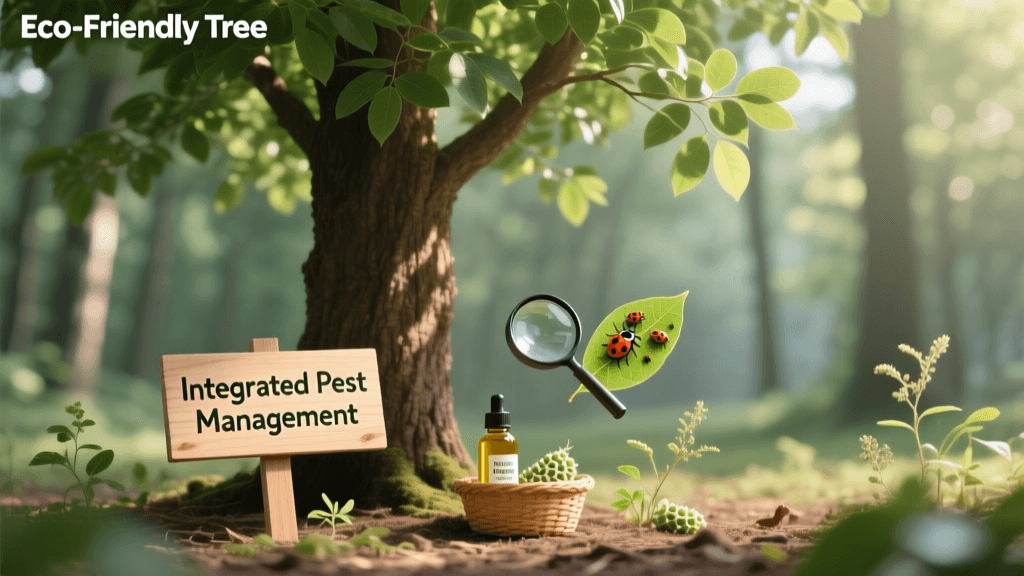
Eco-Friendly Tree Pest Control: A Sustainable IPM Guide
Introduction to Sustainable Tree Pest Management
For decades, the default reaction to tree pests and diseases has been the application of broad-spectrum synthetic pesticides. While these chemicals may offer a quick fix, they often come at a severe cost to the surrounding ecosystem. They can decimate beneficial pollinator populations, disrupt the delicate soil microbiome, and lead to pesticide-resistant pest strains. As homeowners and land stewards become more environmentally conscious, the shift toward eco-friendly and sustainable tree care has never been more critical.
The gold standard for sustainable pest management is Integrated Pest Management (IPM). According to the United States Environmental Protection Agency (EPA), IPM is an effective and environmentally sensitive approach to pest management that relies on a combination of common-sense practices. By focusing on the life cycles of pests and their interaction with the environment, IPM seeks to manage pest damage by the most economical means, and with the least possible hazard to people, property, and the environment.
The Core Principles of Eco-Friendly IPM
Implementing an eco-friendly IPM strategy for your trees requires a shift in mindset. Rather than viewing the landscape as a battlefield to be sterilized, IPM treats it as an ecosystem to be balanced. The core principles include:
- Prevention: The first line of defense is maintaining robust tree health. A well-watered, properly mulched, and correctly pruned tree has a natural immune system capable of fending off minor pest pressures.
- Monitoring and Identification: Not all insects are enemies. In fact, the vast majority of insects in your yard are either benign or highly beneficial. Accurate identification ensures you do not accidentally eradicate predatory insects that naturally control pest populations.
- Action Thresholds: Seeing a single aphid does not warrant an intervention. IPM establishes action thresholds—the point at which pest populations or environmental conditions indicate that pest control action must be taken to prevent economic or structural damage.
- Mechanical and Biological Controls: Before reaching for any spray, eco-friendly IPM utilizes physical barriers, pruning, and the introduction of natural predators.
- Targeted, Low-Impact Chemical Controls: When natural methods are insufficient, IPM utilizes highly targeted, biodegradable, and naturally derived botanical treatments that break down quickly without leaving toxic residues.
Top Eco-Friendly Pest Control Treatments
When monitoring indicates that a pest population has crossed the action threshold, it is time to intervene using sustainable methods. Below are the most effective, eco-friendly treatments available for residential tree care, complete with application details and estimated costs.
1. Cold-Pressed Neem Oil
Derived from the seeds of the neem tree, cold-pressed neem oil contains Azadirachtin, a powerful compound that disrupts the hormonal systems of insects, preventing them from feeding, molting, and reproducing. It is highly effective against sap-sucking pests like aphids, scale insects, and whiteflies.
- Mixing Rate: 1 to 2 tablespoons of cold-pressed neem oil per gallon of water. Add 1 teaspoon of mild liquid castile soap to act as an emulsifier.
- Application Timing: Apply at dusk or early dawn to avoid harming daytime pollinators like bees and butterflies. Avoid spraying when temperatures exceed 85°F to prevent leaf burn.
- Estimated Cost: $15 to $20 for a 16-ounce bottle, which yields dozens of gallons of spray.
2. Bacillus thuringiensis (Bt var. kurstaki)
Bt is a naturally occurring soil bacterium that produces proteins toxic only to specific insect larvae, primarily caterpillars. The kurstaki strain is exceptionally effective against defoliators like the spongy moth (formerly gypsy moth), tent caterpillars, and bagworms. Because it targets the alkaline digestive tracts of specific larvae, it is entirely safe for humans, pets, birds, and beneficial insects.
- Mixing Rate: 1 to 4 teaspoons per gallon of water, depending on the severity of the infestation.
- Application Timing: Apply during the early larval stages (spring to early summer) when caterpillars are small and actively feeding on treated leaves.
- Estimated Cost: $12 to $15 for an 8-ounce concentrate.
3. Beneficial Nematodes
Microscopic, unsegmented worms, specifically Steinernema carpocapsae and Steinernema feltiae, are devastating to wood-boring insects and soil-dwelling grubs. They enter the pest's body and release bacteria that kill the host within 48 hours. They are a premier biological control for Emerald Ash Borer larvae and Japanese Beetle grubs near the root zone.
- Application Method: Mix with water and apply as a soil drench around the tree's drip line using a hose-end sprayer or watering can.
- Application Timing: Apply when soil temperatures are consistently above 60°F and the soil is moist. Water the area heavily before and after application.
- Estimated Cost: $30 to $40 for a pack of 5 million nematodes, enough to treat several large trees.
4. Dormant Horticultural Oils
Highly refined botanical or petroleum-based oils are used to smother overwintering pest eggs, particularly those of aphids, mites, and scale insects. By coating the eggs, the oil cuts off their oxygen supply, preventing spring hatches.
- Mixing Rate: 2 to 4 ounces per gallon of water (always follow specific product label instructions).
- Application Timing: Apply in late winter or very early spring, just before bud break. Do not apply once leaves have emerged, as it can block leaf stomata and cause phytotoxicity.
- Estimated Cost: $10 to $15 per quart.
Comparison Chart: Eco-Friendly IPM vs. Conventional Synthetic Pesticides
Understanding the trade-offs between conventional chemical interventions and sustainable IPM strategies is vital for long-term landscape health. The University of California Statewide Integrated Pest Management Program (UC IPM) heavily advocates for the ecological benefits of reduced-risk alternatives.
| Feature | Eco-Friendly IPM Treatments | Conventional Synthetic Pesticides |
|---|---|---|
| Pollinator Impact | Minimal to None (when applied correctly) | High (often lethal to bees and butterflies) |
| Soil Microbiome | Preserved or Enhanced (e.g., Bt, Nematodes) | Severely Disrupted (kills beneficial fungi/bacteria) |
| Re-entry Interval | Immediate to a few hours | 12 to 48 hours (or longer) |
| Pest Resistance Risk | Low (due to multi-faceted attack methods) | High (pests rapidly evolve genetic resistance) |
| Long-term Efficacy | High (builds natural ecosystem resilience) | Low (requires escalating doses over time) |
Seasonal IPM Schedule for Sustainable Tree Care
To successfully implement eco-friendly pest management, timing is everything. Pests and trees operate on strict biological clocks. Aligning your treatments with these seasonal shifts maximizes efficacy while minimizing environmental impact.
Spring: Monitoring and Early Intervention
As trees break dormancy, begin weekly visual inspections of the trunk, branches, and emerging leaves. Look for signs of egg masses, unusual leaf curling, or sawdust-like frass near the trunk base. If defoliating caterpillars emerge, apply Bt immediately while they are small. Hang sticky traps to monitor adult insect emergence and track population densities without resorting to sprays.
Summer: Biological Controls and Stress Management
Summer heat stresses trees, making them vulnerable to borers and sap-suckers. Maintain a 2-to-3-inch layer of organic wood chip mulch around the root zone (keeping it away from the trunk flare) to retain moisture and regulate soil temperature. If aphid populations surge, spray with Neem Oil in the evening. For soil-dwelling grubs or active borers, apply Beneficial Nematodes to the moist soil beneath the canopy.
Fall: Sanitation and Habitat Modification
Many tree pests and fungal pathogens overwinter in fallen leaf litter. Rake and compost or remove leaves from beneath trees prone to diseases like apple scab or anthracnose. Install physical tree guards around the trunks of young trees to prevent rodent and vole girdling during the winter months. Avoid heavy fall pruning, which can stimulate tender new growth that is highly susceptible to frost damage and subsequent pest entry.
Winter: Dormant Treatments and Structural Pruning
With the trees fully dormant and leaves gone, the branch structure is visible, making it the ideal time to prune out dead, diseased, or crossing limbs that harbor pests. Apply Dormant Horticultural Oils to the bark and branches in late winter to smother overwintering scale and mite eggs. This single application can drastically reduce the need for any interventions during the active growing season.
Conclusion
Transitioning to eco-friendly tree pest management is an investment in the long-term vitality of your landscape and the broader environment. By embracing the principles of Integrated Pest Management, utilizing targeted biological controls, and respecting the natural rhythms of your trees, you can effectively manage pests without relying on toxic, broad-spectrum chemicals. For more detailed, region-specific guidelines on sustainable arboriculture and pest thresholds, consult resources like Penn State Extension and your local university cooperative extension office. A healthy tree, supported by a thriving local ecosystem, remains the best defense against the pests of tomorrow.