Tree Care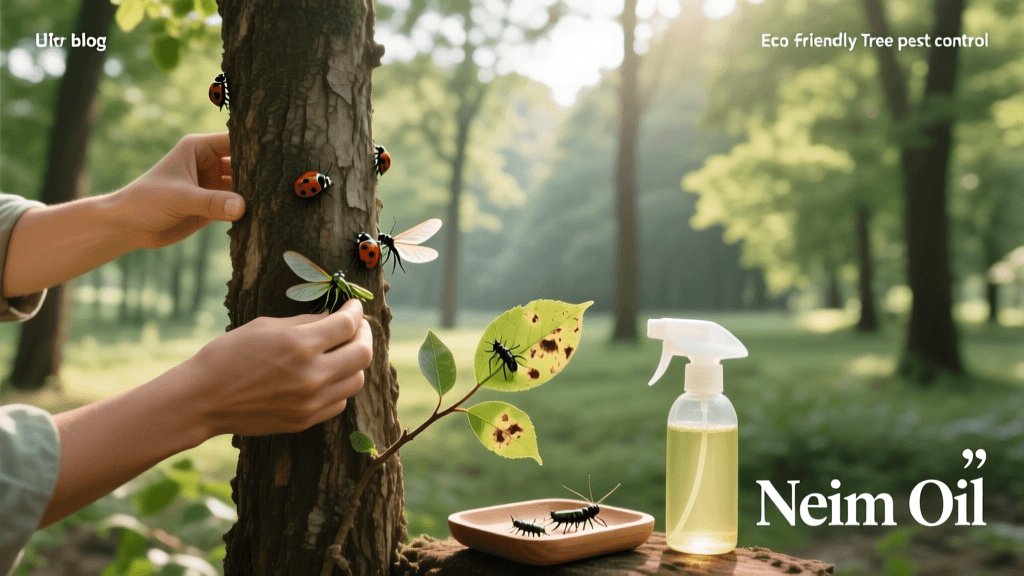
Eco-Friendly Tree Pest Control: Sustainable IPM Strategies
Introduction to Sustainable Tree Pest Management
For decades, the default response to tree pests was the liberal application of broad-spectrum synthetic pesticides. While effective at killing target insects, these harsh chemicals often decimate beneficial pollinator populations, disrupt soil microbiomes, and leach into local watersheds. Today, environmentally conscious homeowners and arborists are turning to eco-friendly tree pest control methods that prioritize long-term ecological balance over short-term eradication.
Transitioning to sustainable tree care does not mean you must surrender your landscape to destructive insects. Instead, it involves adopting a proactive, nature-based approach that works with local ecosystems rather than against them. By utilizing Integrated Pest Management (IPM), biological controls, and organic botanical treatments, you can maintain vigorous, healthy trees while minimizing your environmental footprint.
The Core Principles of Integrated Pest Management (IPM)
Integrated Pest Management is a science-based, sustainable decision-making process that identifies and reduces risks from pests and pest management related strategies. According to the Environmental Protection Agency (EPA), IPM is not a single pest control method but rather a series of evaluations, decisions, and controls. The eco-friendly IPM framework for tree care follows four distinct steps:
- Monitor and Identify: Not all insects are enemies. Properly identifying the pest ensures you do not spray harmless or beneficial insects. Regular visual inspections of the canopy, trunk, and soil line are essential.
- Establish Action Thresholds: Seeing a few aphids does not necessitate an intervention. IPM dictates that action is only taken when pest populations reach a level that threatens the structural integrity or long-term health of the tree.
- Prevention: Cultural practices, such as proper pruning, mulching, and selecting native, disease-resistant tree species, form the first line of defense.
- Control: When intervention is required, eco-friendly methods like biological controls and targeted organic sprays are deployed before considering any harsher alternatives.
Identifying Common Tree Pests and Eco-Friendly Solutions
Different pests require vastly different sustainable interventions. Here is how to tackle three of the most common tree pests using organic and low-impact methods.
1. Aphids and Scale Insects
Aphids and scale insects are sap-sucking pests that weaken trees, cause leaf curl, and excrete a sticky substance called honeydew, which promotes the growth of black sooty mold.
Eco-Friendly Solution: Insecticidal soaps and horticultural oils. Insecticidal soaps (potassium salts of fatty acids) work on contact by disrupting the cell membranes of soft-bodied insects like aphids. For scale insects, dormant horticultural oil applied in late winter smothers overwintering eggs.
Actionable Recipe & Cost: You can purchase commercial insecticidal soap for about $10 to $15 per quart. Alternatively, mix 2.5 tablespoons of pure, additive-free castile soap (like Dr. Bronner's) into one gallon of water. Spray directly on the pests during the early morning or late evening to prevent leaf burn, repeating every 4 to 7 days until the population is controlled.
2. Wood-Boring Insects (e.g., Emerald Ash Borer, Bronze Birch Borer)
Borers tunnel beneath the bark, severing the tree's vascular system. They primarily attack trees that are already stressed by drought, compaction, or physical damage.
Eco-Friendly Solution: Beneficial nematodes and stress reduction. While severe borer infestations often require professional trunk injections, you can use beneficial nematodes (Steinernema carpocapsae) as a preventative soil drench to target larvae before they mature. More importantly, alleviating environmental stress through deep-root watering and vertical mulching makes trees naturally unpalatable to borers.
Application & Timing: Apply nematodes in the spring when soil temperatures consistently exceed 55°F. Mix a packet of 5 million nematodes (costing approximately $30 to $40 from suppliers like Arbico Organics) into a watering can and apply evenly across the tree's drip line. Keep the soil moist for two weeks post-application to ensure nematode survival.
3. Defoliating Caterpillars (e.g., Spongy Moth, Tent Caterpillars)
Defoliators can strip a mature tree of its leaves in a matter of weeks, severely stunting its growth and leaving it vulnerable to secondary diseases.
Eco-Friendly Solution: Bacillus thuringiensis var. kurstaki (Btk). Btk is a naturally occurring soil bacterium that is highly toxic to caterpillars but completely safe for humans, pets, birds, and beneficial insects like bees and ladybugs.
Application & Timing: Timing is critical. Btk must be applied when caterpillars are young and actively feeding (usually mid-to-late spring). Mix 1 to 3 teaspoons of Btk concentrate (such as Monterey B.t., costing around $15 per 16 oz bottle) per gallon of water. Thoroughly coat the foliage. The caterpillars will stop feeding within hours and die within a few days.
Organic and Botanical Sprays: A Comparison Guide
When cultural and biological controls are not enough, organic sprays offer a potent, low-toxicity intervention. Below is a comparison of the most effective eco-friendly treatments for tree care.
| Treatment | Target Pests | Application Rate | Est. Cost | Environmental Impact |
|---|---|---|---|---|
| Cold-Pressed Neem Oil | Aphids, Mites, Scale, Fungal Spores | 2 tbsp per gallon of water + 1/2 tsp mild soap | $15 - $25 | Very Low; breaks down rapidly in UV light, safe for most beneficials if applied at dusk. |
| Insecticidal Soap | Aphids, Whiteflies, Soft Scale | 2.5 tbsp pure castile soap per gallon | $5 - $12 | Low; no residual effect, must contact pest directly. Non-toxic to wildlife. |
| Btk (Bacillus thuringiensis) | Caterpillars, Spongy Moth, Webworms | 1 - 3 tsp per gallon of water | $12 - $20 | None; highly specific to Lepidoptera larvae, completely safe for pollinators and mammals. |
| Spinosad | Beetles, Leafminers, Thrips | 2 tbsp per gallon of water | $20 - $30 | Moderate; derived from soil bacteria. Highly toxic to bees when wet, but safe once dried (apply at night). |
| Kaolin Clay (Surround WP) | Japanese Beetles, Psyllids, Borers | 1/2 cup per gallon of water | $25 - $40 | None; creates a physical particle barrier on leaves that deters feeding and egg-laying. |
Biological Controls: Harnessing Beneficial Insects
Nature has its own built-in pest control workforce. By attracting and retaining beneficial insects, you can create a self-regulating ecosystem in your yard. The Xerces Society for Invertebrate Conservation heavily advocates for the conservation of biological control agents as a cornerstone of sustainable agriculture and landscaping.
- Ladybugs and Lacewings: Both the adults and larvae of these insects are voracious predators of aphids, mites, and scale. A single ladybug can consume up to 5,000 aphids in its lifetime.
- Parasitic Wasps: Tiny, non-stinging wasps (such as Trichogramma species) lay their eggs inside the eggs of harmful caterpillars and borers, effectively neutralizing the next generation of pests.
- Predatory Nematodes: Microscopic worms that patrol the soil, hunting down grubs, flea beetles, and borer larvae before they can pupate.
How to Attract Them: Avoid all broad-spectrum pesticides, which kill beneficials alongside pests. Plant a diverse understory of native flowering plants that provide nectar and pollen. Excellent insectary plants include yarrow, dill, sweet alyssum, fennel, and goldenrod. These plants feature tiny, shallow flowers that are perfectly adapted to the short mouthparts of beneficial parasitic wasps and hoverflies.
Cultural Practices for Long-Term Tree Resilience
The most effective eco-friendly pest control is a healthy tree. Pests are opportunistic; they target trees that are weakened by environmental stress. Implementing sustainable cultural practices builds a tree's natural chemical defenses (such as tannins and resins) which deter boring insects and fungal pathogens.
Sustainable Mulching: The Donut Method
Improper mulching, often called 'volcano mulching,' traps moisture against the trunk, inviting rot and rodent damage. Instead, use the sustainable 'donut' method:
- Clear all grass and weeds from the base of the tree out to the drip line (or at least a 3-foot radius).
- Apply 2 to 4 inches of organic, undyed wood chips or shredded bark.
- Keep the mulch at least 3 to 6 inches away from the actual trunk flare to prevent collar rot.
- As the mulch decomposes, it feeds the soil food web, promoting the growth of mycorrhizal fungi that form symbiotic relationships with tree roots, vastly improving nutrient uptake and drought tolerance.
Deep, Infrequent Watering
Overhead watering promotes fungal diseases like powdery mildew and anthracnose. Instead, utilize soaker hoses or drip irrigation lines placed at the tree's drip line. A general rule of thumb for sustainable watering is to provide 10 gallons of water per inch of trunk diameter (measured at knee height) during dry spells. Water deeply once a week rather than shallowly every day, which encourages roots to grow downward, anchoring the tree and accessing deeper soil moisture reserves.
Conclusion
Adopting eco-friendly tree pest control methods requires a shift in perspective—from viewing nature as an adversary to be conquered, to seeing it as a complex system to be managed and supported. By leveraging the principles of IPM, utilizing targeted organic treatments like Btk and neem oil, and fostering habitats for beneficial insects, you can protect your trees effectively. As noted by the University of California Statewide Integrated Pest Management Program (UC IPM), sustainable pest management not only protects the immediate landscape but also safeguards the broader environment, ensuring that your trees remain healthy, resilient, and vibrant for generations to come.