Tree Care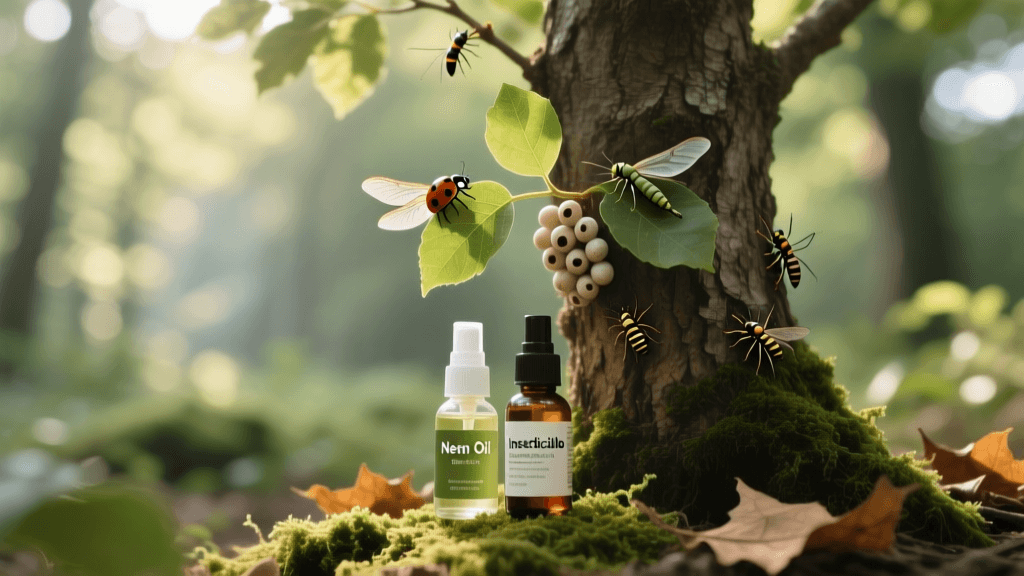
Eco-Friendly Tree Pest Control: Sustainable Solutions
The Shift Toward Sustainable Tree Care
Trees are the foundational pillars of any sustainable landscape, providing essential shade, improving air quality, and supporting local ecosystems. However, maintaining tree health often brings homeowners face-to-face with a variety of pests, from aphids and scale insects to destructive borers and defoliating caterpillars. Historically, the knee-jerk reaction to these infestations has been the heavy application of synthetic chemical pesticides. Today, a growing movement of eco-conscious gardeners and arborists is shifting toward sustainable tree care, prioritizing the long-term health of the tree and the surrounding environment over rapid, toxic eradication.
The Hidden Environmental Cost of Synthetic Pesticides
For decades, synthetic pesticides, particularly neonicotinoids like imidacloprid, were the gold standard for tree pest management. Often applied as soil drenches or trunk injections, these systemic chemicals are absorbed by the tree's vascular system, making the entire plant toxic to feeding insects. While effective against target pests like the emerald ash borer, the collateral damage is profound. These chemicals can persist in the soil for years, disrupting the delicate soil microbiome and harming essential earthworms and mycorrhizal fungi. Furthermore, when trees flower or produce sap, these toxins can inadvertently harm non-target pollinators, including vital bee populations and beneficial predatory insects. Transitioning to eco-friendly methods is not just about saving a single tree; it is about preserving the intricate food web that sustains your entire yard.
Understanding Eco-Friendly Integrated Pest Management (IPM)
The cornerstone of sustainable tree pest control is Integrated Pest Management (IPM). According to the Environmental Protection Agency (EPA), IPM is an effective and environmentally sensitive approach to pest management that relies on a combination of common-sense practices. Rather than viewing the yard as a sterile battlefield, IPM treats it as an ecosystem. The goal is not total eradication of all insects—many of which are beneficial—but rather keeping pest populations below the threshold of economic or aesthetic damage. IPM prioritizes cultural, mechanical, and biological controls, reserving chemical interventions (even organic ones) strictly as a last resort.
Top Sustainable Tree Pest Control Treatments
When intervention is necessary, eco-friendly tree care relies on targeted, biodegradable, and naturally derived treatments that minimize harm to non-target organisms.
1. Cold-Pressed Neem Oil (Azadirachtin)
Neem oil, extracted from the seeds of the neem tree, is a powerhouse in organic pest control. The active compound, azadirachtin, acts as an anti-feedant and hormone disruptor, preventing pests like aphids, mites, and scale insects from molting and reproducing. For optimal results, purchase cold-pressed neem oil rather than clarified hydrophobic neem oil, as it retains higher levels of azadirachtin. Mixing ratio: Combine 1 to 2 tablespoons of cold-pressed neem oil and 1/2 teaspoon of mild liquid castile soap (as an emulsifier) per gallon of water. Apply as a foliar spray during the early morning or late evening to avoid leaf burn and protect daytime pollinators. A 16-ounce bottle of high-quality concentrate typically costs between $15 and $25, enough to treat dozens of mature trees over a season.
2. Bacillus thuringiensis var. kurstaki (Btk)
Btk is a naturally occurring soil bacterium that is highly toxic to specific leaf-eating caterpillars, such as gypsy moths, tent caterpillars, and bagworms, but completely harmless to humans, pets, birds, and bees. When caterpillars ingest leaves sprayed with Btk, the alkaline environment of their gut activates a protein crystal that paralyzes their digestive system, causing them to stop feeding within hours and die shortly after. Btk is highly biodegradable and breaks down in sunlight within a few days, meaning it must be applied precisely when caterpillars are young and actively feeding. An 8-ounce concentrate costs around $12 to $18 and is mixed at a rate of 1 to 2 teaspoons per gallon of water.
3. Dormant and Summer Horticultural Oils
Horticultural oils work mechanically rather than chemically. By coating the insect, the oil blocks its spiracles (breathing pores), effectively suffocating the pest and its eggs. Research highlighted by Penn State Extension emphasizes the value of dormant oil applications in late winter or early spring. Applied when temperatures are consistently above freezing but before tree buds break, dormant oil smothers overwintering eggs of aphids, mites, and scale insects hiding in the tree's bark crevices. During the growing season, lighter "summer oils" can be used to manage active soft-bodied pests, provided ambient temperatures are below 85°F to prevent phytotoxicity (leaf damage).
4. Beneficial Insect Augmentation
Nature has its own pest control workforce. Augmenting your yard with beneficial insects provides long-term, self-sustaining pest management. Green lacewings and ladybugs are voracious predators of aphids and mealybugs. For severe borer or caterpillar issues, releasing Trichogramma wasps—microscopic, non-stinging parasitic wasps that lay their eggs inside pest caterpillar eggs—can decimate the next generation of defoliators. A release of 1,000 green lacewings costs roughly $30 and can protect up to 10,000 square feet of canopy and garden space.
Comparison Chart: Synthetic vs. Eco-Friendly Pest Control
| Treatment Type | Target Pests | Environmental Impact | Cost Estimate | Application Timing |
|---|---|---|---|---|
| Systemic Neonicotinoids | Borers, Aphids, Scale | High; harms pollinators and soil biology | $40 - $80 per tree (professional) | Spring soil drench |
| Cold-Pressed Neem Oil | Aphids, Mites, Whiteflies | Low; breaks down rapidly, safe for bees when dry | $15 - $25 per 16oz concentrate | Evening sprays during active growth |
| Btk (Bacterial Spray) | Caterpillars, Gypsy Moths | Very Low; highly specific to target larvae | $12 - $18 per 8oz concentrate | Spring/Summer when larvae are young |
| Dormant Horticultural Oil | Overwintering eggs, Scale | Very Low; mechanical suffocation, no residue | $20 - $30 per gallon | Late winter/Early spring (dormancy) |
A Seasonal Eco-Friendly Tree Care Schedule
Timing is everything in sustainable pest management. By aligning your interventions with the natural life cycles of pests, you can maximize efficacy while minimizing product use.
- Early Spring (Dormancy Break): Apply dormant horticultural oil just before bud swell to smother overwintering scale and aphid eggs. Prune out any dead or diseased wood where pests may harbor.
- Late Spring (Leaf Out): Monitor foliage for early caterpillar activity. Apply Btk immediately upon spotting young larvae or webbing. Hang pheromone traps to monitor adult moth flights and time your biological releases.
- Summer (Active Growth): Release beneficial insects like lacewings in the early evening. Spot-treat localized aphid or mite outbreaks with cold-pressed neem oil or insecticidal soap, ensuring you spray the undersides of leaves.
- Fall (Senescence): Rake and compost fallen leaves to remove overwintering sites for fungal spores and pest pupae. Avoid sending heavily infested or diseased leaves to municipal composts; instead, burn or bag them.
- Winter (Dormancy): Focus on soil health. Apply a 2-to-4-inch layer of organic arborist wood chip mulch in a "donut" shape around the base of the tree (keeping it away from the trunk) to insulate roots and feed soil microbes.
Building Natural Immunity Through Soil Microbiome Management
The most effective eco-friendly pest control strategy is prevention through robust tree health. A tree planted in biologically active, well-aerated soil can naturally fend off minor pest pressures and recover quickly from damage. The Cornell University Integrated Pest Management program heavily emphasizes that plant vigor is the first line of defense. To achieve this, avoid synthetic, high-nitrogen fertilizers, which promote rapid, sappy growth that is highly attractive to aphids and borers. Instead, top-dress the soil with organic compost and apply aerated compost tea to introduce beneficial bacteria and fungi to the root zone. Inoculating the soil with mycorrhizal fungi extends the tree's root system, dramatically improving water and nutrient uptake, resulting in a resilient, pest-resistant canopy.
Conclusion: Stewardship Over Eradication
Adopting eco-friendly tree pest control methods requires a shift in perspective. It asks us to observe our landscapes closely, tolerate a minor amount of cosmetic leaf damage, and trust in the balance of natural predators and biological controls. By utilizing targeted organic sprays like neem and Btk, applying horticultural oils during dormancy, and fostering a rich soil microbiome, you can protect your trees effectively. Sustainable tree care ensures that your landscape remains a safe haven for wildlife, a sanctuary for pollinators, and a thriving, green legacy for years to come.