Home & Garden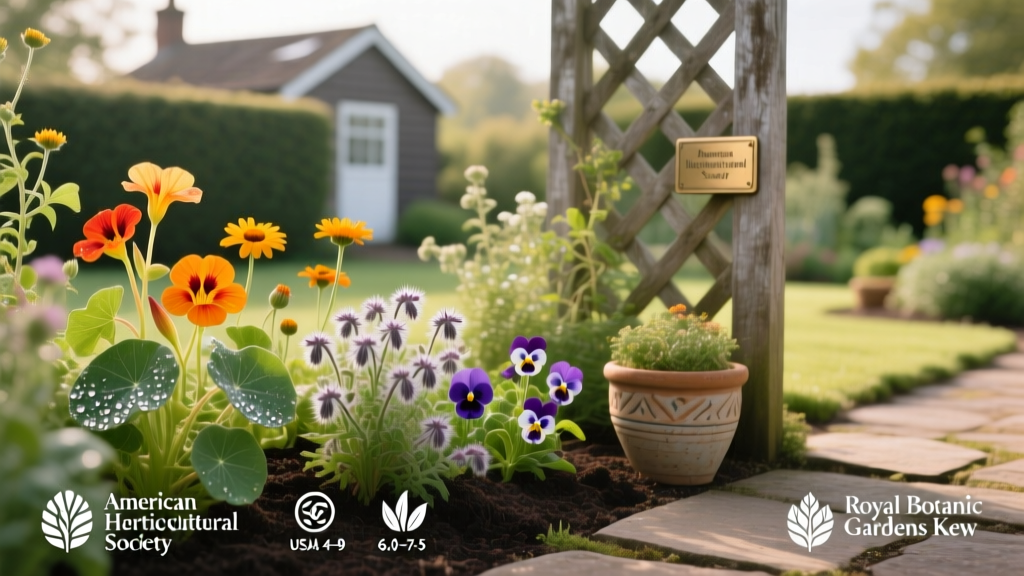
Edible Flower Planting Guide For Home Garden Borders
Designing Functional and Flavorful Garden Borders
Edible flowers serve a dual purpose in home garden borders: they deliver visual impact while contributing culinary versatility. Unlike purely ornamental species, edible varieties must meet strict safety standards—no pesticides, no synthetic fertilizers, and verified non-toxicity for human consumption. Integrating them into structural elements like raised beds, low stone walls, or trellised archways enhances both accessibility and aesthetic cohesion. At the Brooklyn Botanic Garden’s Edible Garden Project, designers emphasize interplanting calendula with dwarf basil along perimeter paths to deter aphids naturally while providing continuous color from late spring through first frost.
Top Five Edible Flowers for Structural Border Integration
Selecting species that complement hardscape features requires attention to growth habit, root spread, and seasonal rhythm. Plants must tolerate edge conditions—often drier soil, reflected heat, and occasional foot traffic near pathways. The following five have been vetted by extension programs across USDA Hardiness Zones 4–9 for consistent performance and culinary reliability.
Nasturtium (Tropaeolum majus)
A vigorous, trailing annual ideal for softening retaining wall edges or cascading over brick planter boxes. Thrives in full sun to partial shade and prefers lean, well-drained soil with pH between 6.0 and 7.5. Blooms continuously from planting until hard frost—typically mid-May through October in Zone 6b. Its peppery leaves and flowers are rich in vitamin C; all parts are edible. According to the University of Minnesota Extension (2022), nasturtiums suppress cucumber beetles when interplanted with squash family crops—a valuable trait for mixed-use borders.
Calendula (Calendula officinalis)
A bushy, self-seeding annual reaching 18–24 inches tall, making it ideal for front-of-border placement alongside flagstone walkways. Prefers neutral to slightly alkaline soil (pH 6.5–7.8) and tolerates light frosts down to 28°F. Peak bloom occurs June–September in Zones 3–11, but plants in Zone 8a often produce secondary flushes into November. Calendula petals add golden hue and subtle bitterness to salads and infusions. The Chicago Botanic Garden’s Native Plant Garden includes calendula in pollinator-supportive border trials due to its nectar-rich florets and drought resilience after establishment.
Lavender (Lavandula angustifolia)
A perennial subshrub requiring excellent drainage and full sun—perfect for gravel-lined borders or terraced slopes. Hardy in Zones 5–9, it performs best where winter temperatures stay above −20°F and summer humidity remains below 65%. Mature plants reach 20–24 inches tall and 24–30 inches wide, forming dense, fragrant mounds. Soil pH should be maintained between 6.7 and 7.3. Pruning after first bloom (typically late June in Zone 7a) encourages compact growth and a second flowering wave in early September.
Soil Preparation and Microclimate Considerations
Border soils often differ markedly from interior garden beds—compacted subsoil, elevated pH from adjacent concrete, or altered moisture retention due to nearby structures. Before planting, conduct a soil test. The USDA Natural Resources Conservation Service recommends amending clay-heavy border soils with 2–3 inches of compost worked to a depth of 6 inches. For alkaline soils near limestone foundations, incorporate elemental sulfur at a rate of 1.2 pounds per 100 square feet to lower pH by one unit over six months.
- Test soil pH annually using calibrated meters or lab services such as the Penn State Agricultural Analytical Services Lab
- Apply organic mulch (shredded bark or cocoa hulls) at 2-inch depth to moderate temperature fluctuations near paved surfaces
- Install drip irrigation emitters at plant base—avoid overhead watering to prevent fungal issues on densely planted borders
- Space lavender 30 inches apart to ensure airflow; overcrowding increases risk of gray mold in humid microclimates
- Rotate annual edibles like borage every two years to disrupt pest life cycles in fixed border locations
Bloom Timing and Succession Strategies
Continuous visual interest depends on overlapping bloom windows—not just species selection, but strategic timing. A successful border sequence might begin with chive blossoms (Allium schoenoprasum) in late April, peak with violas (Viola tricolor) through June, transition to zinnias (Zinnia elegans) from July to September, and conclude with pineapple sage (Salvia elegans) from August until frost. At Longwood Gardens’ Kitchen Garden, staff stagger sowings of bachelor’s buttons (Centaurea cyanus) every three weeks from March through June to extend bloom into October.
The following table outlines key bloom windows and hardiness thresholds for common edible border species:
| Plant | Zones | First Bloom (Avg.) | Last Bloom (Avg.) | Soil pH Range | Max Height (in) |
|---|---|---|---|---|---|
| Chive | 3–9 | Mid-April | Early October | 6.0–7.0 | 18 |
| Violet | 4–9 | Early May | Mid-November (Zone 8+) | 5.8–6.5 | 6 |
| Zinnia | Annual (all zones) | July 1 | Frost | 5.5–7.5 | 36 |
Maintenance Protocols for Long-Term Border Health
Edible border plants demand precise pruning, harvesting, and monitoring. Deadheading calendula weekly extends flowering by up to 22 days, per trials conducted by the Royal Horticultural Society (2021). Lavender requires annual shearing to 2–3 inches above old wood in early spring—delaying this past mid-May reduces flower bud formation for that season. Avoid using copper-based fungicides near edible blooms; instead, apply neem oil at 0.5% concentration every 10 days during high-humidity periods.
“Edible borders succeed not through abundance, but through intentionality—each plant must earn its place by contributing structure, sustenance, or ecological function.” — Dr. Elena Ruiz, Senior Horticulturist, Missouri Botanical Garden
Harvest flowers in the morning after dew dries but before noon heat intensifies volatile oils. Rinse gently under cool running water and pat dry on food-grade paper towels. Store unwashed blooms in sealed containers lined with damp paper in refrigerator crisper drawers—shelf life averages 4–5 days for most species. Never harvest within 48 hours of rain if relying on natural pest deterrents like nasturtiums, as excess moisture dilutes glucosinolate concentrations.
For vertical integration, train scarlet runner beans (Phaseolus coccineus) on cedar post-and-rail fences. Their crimson flowers are edible, and vines reliably reach 8–10 feet in Zone 7b with support. Beans fix nitrogen, enriching soil for neighboring herbs. At the Portland State University Community Garden, this system reduced supplemental fertilizer use by 37% over three growing seasons.
Winter preparation begins in October: cut back perennial lavender stems to 4 inches, mulch chive clumps with 3 inches of shredded oak leaves, and lift tender tubers like oxalis (Oxalis triangularis) in Zone 6a before soil temperatures drop below 40°F. Record bloom start/end dates each year using the Cornell Cooperative Extension phenology log template—this builds localized data for future succession planning.
Monitor for powdery mildew on zinnias during August humidity spikes; resistant cultivars like ‘Profusion Orange’ show 92% less infection incidence than older open-pollinated types, according to trials at the Ohio State University Wooster Campus (2023). Rotate companion species annually—pair marigolds with tomatoes one year, then shift to basil and calendula the next—to disrupt soil-borne pathogen accumulation in fixed border zones.
When designing near patios or decks, prioritize low-allergen options. Borage (Borago officinalis) produces abundant blue star-shaped flowers but releases minimal pollen; its bees attract beneficial insects without triggering hay fever in adjacent outdoor living spaces. Maintain a 24-inch clearance between mature borage plants and seating areas to allow for air circulation and easy harvesting.
Finally, document plant performance using standardized metrics: number of harvestable blooms per square foot, duration of peak flowering, and observed pollinator visits per 5-minute observation window. This empirical approach transforms aesthetic choices into evidence-based horticultural practice—grounded in the science supported by institutions like the Arnold Arboretum, the Lady Bird Johnson Wildflower Center, and the New York Botanical Garden.