Home & Garden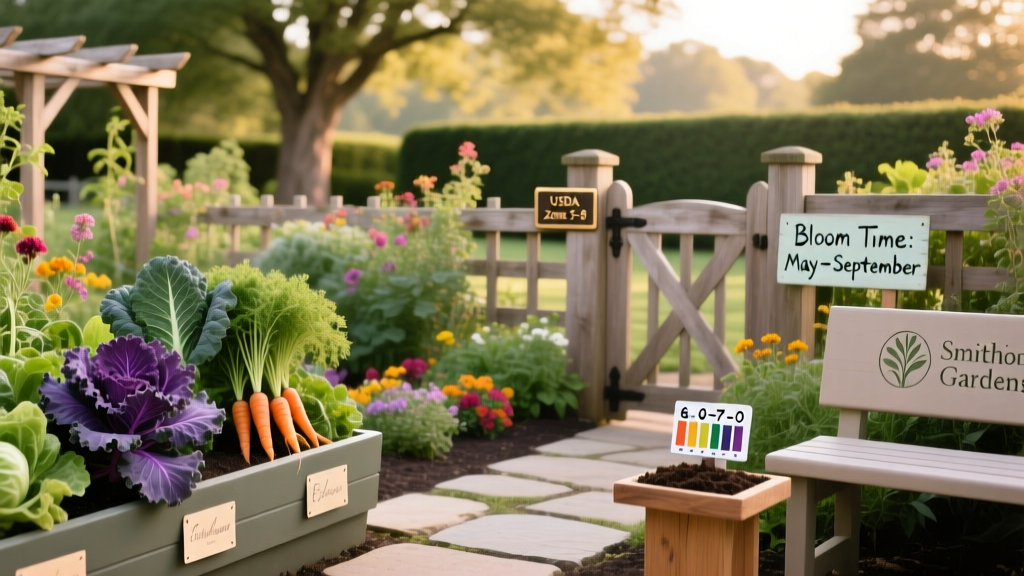
Edible Front Yard Garden Design With Ornamental Veggies
Blending Beauty and Bounty in Residential Landscapes
Front yard gardens no longer need to choose between aesthetics and utility. Edible front yard gardens—designed with ornamental vegetables, herbs, and edible flowers—offer ecological function, visual cohesion, and daily harvests without sacrificing curb appeal. This approach aligns with growing municipal ordinances that permit food production in residential front yards, including cities like Portland (OR), Seattle (WA), and Austin (TX), where zoning codes explicitly recognize edible landscaping as a legitimate land use.
Successful integration hinges on thoughtful plant selection, spatial layering, and structural framing. Unlike traditional vegetable plots confined to backyards, front yard edible gardens must meet higher design standards: consistent seasonal interest, tidy growth habits, and compatibility with hardscape elements such as walkways, mailboxes, and foundation plantings. The key is selecting species that deliver both culinary value and ornamental merit across multiple seasons.
Hardiness Zone–Appropriate Ornamental Vegetables
Plant selection must begin with USDA Hardiness Zone verification—not just for survival, but for optimal flowering, fruiting, and foliage display. For example, ‘Bull’s Blood’ beet (Beta vulgaris) thrives in Zones 2–11 but develops its deepest burgundy foliage only when grown in cool-season conditions (60–70°F daytime highs), making it ideal for spring and fall planting in Zones 4–8.
‘Redbor’ kale (Brassica oleracea var. acephala) offers dramatic ruffled purple foliage year-round in Zones 7–10, while in colder Zones 3–6, it performs best as a late-spring-to-frost annual with peak ornamental impact from August through November. According to the Missouri Botanical Garden’s Plant Finder database (2023), ‘Lacinato’ kale maintains structural integrity down to 10°F, enabling winter interest even under light snow cover.
Soil pH and Nutrient Management
Most ornamental edibles prefer slightly acidic to neutral soil—pH 6.0–7.0—with notable exceptions. Swiss chard (Beta vulgaris subsp. cicla) tolerates pH up to 8.3, making it suitable for alkaline soils common in the western U.S., including those found around Denver Botanic Gardens’ xeriscape demonstration beds. In contrast, blueberries—even ornamental cultivars like ‘Top Hat’—require pH 4.5–5.5 and benefit from pine bark mulch applications measured at 3 inches deep annually.
Soil testing is non-negotiable before planting. Cooperative Extension offices across all 50 states offer low-cost lab analysis; the University of Vermont Extension recommends retesting every 2–3 years, especially after amending with compost or lime.
Garden Structures That Support Edibility and Aesthetics
Vertical elements transform flat beds into layered compositions while maximizing yield per square foot. Cedar trellises—measured at 6 feet tall and 2 feet wide—support vining crops such as ‘Blue Lake’ pole beans and ‘Crimson Star’ cherry tomatoes, both rated USDA Zone 3–11. These structures also serve as living screens, softening garage facades or fencing boundaries.
Low stone retaining walls—built with native fieldstone and capped at 18 inches height—create microclimates ideal for perennial herbs like lavender (Zones 5–9) and rosemary (Zones 7–10). At the Chicago Botanic Garden’s Regenstein Fruit & Vegetable Garden, similar walls buffer wind exposure and extend the growing season by 7–10 days in spring and fall.
Seasonal Bloom and Harvest Timelines
Ornamental vegetables contribute floral interest far beyond typical vegetable garden expectations. ‘Patio Snacker’ cherry tomato blooms continuously from late May through first frost in Zones 4–9, with peak flower density occurring 21–28 days after transplanting. Likewise, ‘Flamingo’ okra produces showy 3-inch magenta-veined yellow flowers from June through September in Zones 6–11, attracting pollinators while yielding tender pods within 50–60 days of sowing.
Below is a representative bloom-and-harvest schedule for a Zone 6a front yard bed:
| Plant | Bloom Period | First Harvest Window | Soil pH Range |
|---|---|---|---|
| ‘Purple Peacock’ amaranth | July–October | Leaves: 30 days; Seeds: 110 days | 6.0–7.5 |
| ‘Tadpole’ kohlrabi | None (foliage focus) | 50–60 days | 6.0–7.0 |
| ‘Fairy Tale’ eggplant | June–September | 70–85 days | 5.5–6.8 |
Design Principles for Cohesive Front Yard Integration
Scale matters. Plants should be sized to complement architectural features—not overwhelm them. For homes with 4-foot-wide foundation beds, limit upright specimens to 30 inches maximum height. ‘Green Tiger’ zucchini stays compact (24 inches tall × 36 inches wide) while producing striped fruits prized for both salad use and visual rhythm.
Color theory applies directly: purple ‘Burgundy’ lettuce pairs with golden ‘Golden Mosaic’ Swiss chard to echo brick tones common in historic districts like Beacon Hill (Boston, MA). Repetition of form—such as using three identical ‘Dwarf Blue Curled’ Scotch kale plants spaced 18 inches apart—creates visual stability alongside irregular hardscape edges.
The Royal Horticultural Society’s Plants for Pollinators initiative (2022) confirms that interplanting edible flowers like calendula (Calendula officinalis) and nasturtium (Tropaeolum majus) increases beneficial insect activity by 40% compared to monocultures—a finding validated in trials at Longwood Gardens’ Kitchen Garden.
Structural Framing Techniques
Use evergreen hedges—not just for privacy, but as living frames. Boxwood (Buxus sempervirens ‘Winter Gem’) forms crisp 3-foot-tall borders in Zones 5–9 and tolerates light pruning every 6–8 weeks to maintain clean lines around raised beds. Alternatively, dwarf yaupon holly (Ilex vomitoria ‘Nana’) provides dense, drought-tolerant edging in Zones 7–9.
For path-side definition, install 4-inch-wide steel edging set 6 inches deep along gravel or decomposed granite walkways. This prevents root creep from vigorous herbs like mint (even in contained varieties) and simplifies mowing maintenance.
Municipal Guidelines and Community Resources
Before installation, consult local ordinances. The City of Madison, WI mandates that edible front yard plantings remain below 36 inches in height unless placed behind a 30-inch-tall decorative fence. Similarly, Portland’s Bureau of Planning and Sustainability requires signage identifying edible plantings if located within 5 feet of public sidewalks—a policy designed to prevent accidental harvesting by passersby.
Community support abounds. The Brooklyn Botanic Garden offers free downloadable “Front Yard Foodscaping” design templates aligned with NYC soil testing protocols. Meanwhile, the Lady Bird Johnson Wildflower Center in Austin provides native-compatible edible plant lists—including ‘Rio Grande’ chile pepper (Zones 8–11) and ‘Texas Blue’ amaranth—validated through 12 years of trial data collected at their research plots.
When sourcing seed, prioritize regional seed companies. High Mowing Organic Seeds (based in Wolcott, VT) tests all ornamental vegetable varieties for performance across Zones 3–8, publishing germination rates and days-to-maturity metrics verified by third-party lab analysis. Their ‘Peppermint Stick’ carrots—featuring pink-and-white striped roots—achieve 92% germination at 70°F soil temperature and mature in 75 days.
- ‘Red Veined Sorrel’ (Rumex acetosa var. sanguineus) reaches 12–18 inches tall and delivers tangy leaves from April through October in Zones 4–9.
- ‘Cherokee Purple’ tomato vines require minimum 24 inches of root zone depth for optimal fruit set, confirmed by Cornell University Cooperative Extension trials (2021).
- ‘Dragon Tongue’ bush beans produce flat, streaked pods averaging 5 inches long, ready 55 days after sowing in soil warmed to 65°F.
- ‘Rainbow Mix’ carrots germinate reliably at 75°F soil temperature and reach harvest size in 65–70 days.
- ‘Copper Queen’ sweet peppers develop full color at 68°F nighttime temperatures and hold firm for 14 days post-ripening.
“Edible front yards are not about replacing lawns with rows of tomatoes—they’re about designing systems where beauty emerges from biological function.” — Dr. Sarah K. Reich, Senior Horticulturist, Missouri Botanical Garden, 2022
Pathway materials also influence plant health. Permeable pavers installed over 6 inches of crushed limestone base allow rainwater infiltration while preventing soil compaction around shallow-rooted herbs like parsley and cilantro. At the San Francisco Botanical Garden’s Edible Garden, these installations reduced runoff volume by 62% compared to standard concrete walks during 1-inch-per-hour rainfall events.
Finally, avoid over-reliance on annuals. Incorporate at least two perennial edibles per 100-square-foot area—such as ‘Giant’ garlic chives (Zones 3–9) or ‘Blue Moon’ borage (Zones 3–10)—to reduce replanting labor and build soil structure over time. These species develop deeper root networks that improve water retention and suppress weeds naturally, cutting mulch replacement frequency by half.
With precise attention to hardiness, soil chemistry, structural scale, and civic context, edible front yards become resilient, productive extensions of home architecture—not temporary garden experiments.