
Landscaping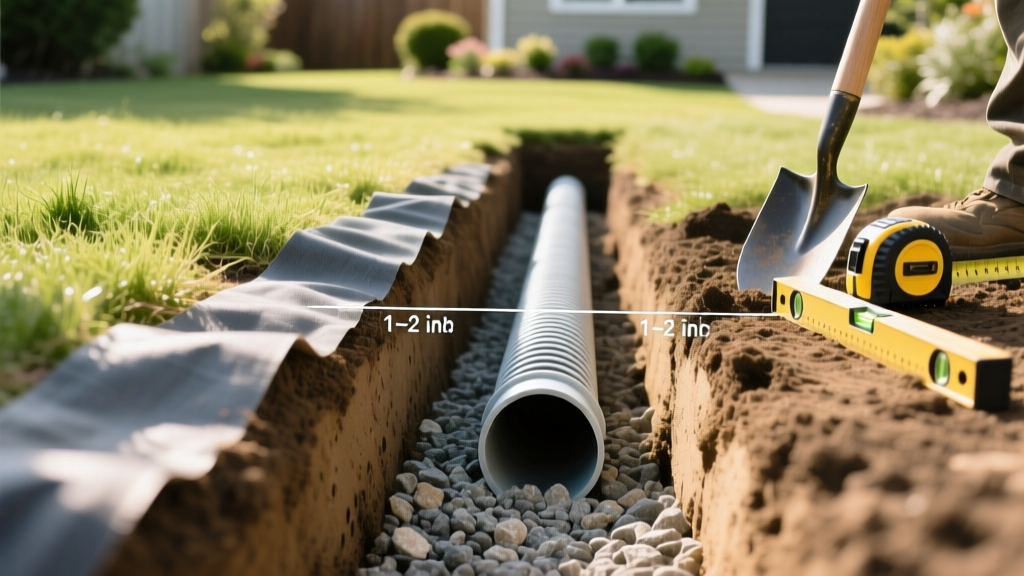
Expert French Drain Installation Tips for Yard Drainage
Emily WatsonPublished
Expert Guide to French Drain Installation for Yard Drainage
Standing water in your yard is more than just a landscaping nuisance; it is a direct threat to your home's foundation, your lawn's root system, and your property's overall value. When dealing with expansive clay soils, which are prevalent in many parts of the southern and midwestern United States, poor drainage doesn't just kill grass—it causes the soil to swell and contract, leading to catastrophic foundation settling. Therefore, investing time in a properly engineered French drain is an investment in your home's structural integrity. When surface grading and swales fail to move water away from your home, a French drain is the most reliable subsurface drainage solution available. However, a poorly installed French drain will clog, collapse, or fail to move water entirely. In this guide, we cover the expert tips, precise measurements, and best practices for installing a French drain that lasts for decades.
The Science of Subsurface Water Management
A French drain is fundamentally a gravel-filled trench containing a perforated pipe that redirects groundwater and surface runoff away from vulnerable areas. The system relies on two physical principles: gravity and hydrostatic pressure. Water naturally seeks the path of least resistance. By providing a highly permeable gravel channel and a hollow pipe, you create an artificial subterranean river that captures water before it can saturate your topsoil or pool against your foundation.
According to the University of Minnesota Extension, proper yard drainage is critical for preventing basement moisture and soil erosion, emphasizing that subsurface drains must be paired with adequate surface grading to function optimally. A French drain is not a magic bullet for poor surface grading; it is the second line of defense in a comprehensive landscape drainage plan.
Pre-Installation Planning and Safety
Before you break ground, you must plan your water's exit point, known as the daylight or discharge area. Water must be discharged at least 10 feet away from your foundation, ideally into a municipal storm drain, a dry well, or a lower-elevation drainage ditch. Never discharge water onto a neighbor's property, as this violates local drainage laws in most municipalities.
Call Before You Dig
Always call 811 (the national Call Before You Dig number) at least three to five business days before trenching. Utility companies will mark underground gas, water, and electrical lines for free. Striking a utility line can be fatal and result in massive financial liability.
Step-by-Step Installation Best Practices
1. Trench Dimensions and Slope Calculations
The standard trench for a residential French drain is 12 inches wide and 12 to 24 inches deep. The most critical factor in your trench is the slope, or fall. Water will not move through a level pipe. Expert landscapers mandate a minimum slope of 1/8 inch per linear foot (a 1% grade). For a 50-foot run, the trench must drop at least 6.25 inches from start to finish.
Pro Tip: Do not rely on a standard carpenter's level for long runs. Use a laser level or a string line with a line level to ensure a consistent, accurate grade throughout the entire trench.
2. Selecting the Right Geotextile Fabric
The number one reason French drains fail is soil infiltration. Fine clay and silt particles wash into the gravel, eventually clogging the pipe. To prevent this, you must line the trench with a non-woven geotextile fabric (typically 4 oz. to 6 oz. weight). Do not use woven weed barrier fabric from big-box stores; it lacks the permeability required for high-volume water flow and will cause the system to back up.
3. Pipe Selection: Corrugated vs. PVC
Choosing the right pipe is a subject of heavy debate among landscaping professionals. Below is a comparison chart of the two most common materials.
| Feature | Corrugated Flexible Pipe | Rigid PVC (SDR 35) |
|---|---|---|
| Cost per 10 ft | $12 - $18 | $25 - $35 |
| Installation Ease | High (bends easily) | Moderate (requires fittings) |
| Durability | Moderate (can crush under heavy loads) | High (withstands heavy soil pressure) |
| Clog Risk | High (ridges trap debris) | Low (smooth interior walls) |
| Expert Verdict | Use only for short, shallow runs | Best practice for permanent systems |
For a permanent, low-maintenance system, rigid PVC with pre-drilled holes (or slotted SDR 35 sewer pipe) is the industry gold standard.
4. Gravel Selection and the Holes Down Debate
Use washed, angular 3/4-inch drain rock. The angular edges lock together, preventing the gravel from shifting and compacting over time. Never use pea gravel or river rock, as the smooth, rounded stones shift easily and allow soil migration.
When laying the perforated PVC pipe, place it with the holes facing down. While it seems counterintuitive, water enters the pipe from the bottom up as the gravel bed saturates. Holes facing down prevents sediment from falling directly into the pipe and allows the pipe to sit flat on the base layer of gravel.
5. Wrapping and Backfilling
Once the pipe is laid and covered with 2 to 3 inches of gravel, fold the excess geotextile fabric over the top of the gravel bed, creating a gravel burrito. This overlap completely encapsulates the drain, ensuring that no backfill soil can penetrate the system. Finish the trench with 2 to 3 inches of native topsoil and lay fresh sod or seed to blend the repair into your existing landscape.
Integrating Catch Basins and Downspout Connections
A common mistake homeowners make is relying solely on the gravel trench to capture surface water during heavy, torrential downpours. While the gravel bed handles subsurface groundwater and slow saturation, rapid surface runoff requires a direct entry point. Experts recommend installing 9x9 inch or 12x12 inch plastic catch basins at strategic low points in the yard and directly beneath roof downspouts.
Connect these catch basins to your French drain's main PVC line using solid (non-perforated) pipe for the first few feet, transitioning to the perforated pipe once you are clear of the immediate downspout splash zone. This prevents the massive volume of roof runoff from washing out the gravel bed directly beneath the downspout. Furthermore, ensure all catch basins are fitted with debris grates to prevent autumn leaves and twigs from entering and clogging the mainline. Cleaning these grates twice a year is a simple maintenance task that will save you thousands of dollars in system rehabilitation.
Cost Breakdown and Timing
Installing a French drain is labor-intensive. A two-person DIY crew can typically excavate and install 50 linear feet in one full weekend (16-20 hours).
- DIY Material Costs: $10 to $25 per linear foot (includes PVC pipe, washed gravel, non-woven fabric, and catch basins).
- Professional Installation Costs: $40 to $85 per linear foot, depending on regional labor rates, soil conditions (heavy clay requires more effort to dig), and the complexity of the discharge point.
- Equipment Rentals: Renting a mini-excavator or a walk-behind trencher costs roughly $150 to $300 per day and is highly recommended for runs exceeding 40 feet.
Long-Term Maintenance Best Practices
Even expertly installed French drains require minimal maintenance to ensure a 20+ year lifespan. Install a catch basin or a cleanout access point at the highest elevation of your drain run. Once a year, preferably in late autumn after leaf drop, use a garden hose on high pressure or a plumbing snake to flush out any accumulated silt or root intrusions from the pipe. Avoid planting water-loving trees, such as Willows or Poplars, within 20 feet of your drain line, as their aggressive root systems will seek out the moisture and infiltrate the pipe joints.
If you notice water pooling near the discharge point, it may indicate that the exit has become blocked by debris or soil erosion has altered the grade. Always use a riprap stone base at the daylight exit to prevent the force of the discharging water from scouring the soil and creating a muddy sinkhole in your lower yard.
Final Thoughts on Sustainable Drainage
A French drain is a powerful tool in the landscaper's arsenal, but it should be part of a holistic approach to yard drainage. Always combine subsurface drains with proper roof gutter management, downspout extensions, and positive surface grading. By following these expert best practices, you will protect your home's foundation and reclaim your yard from standing water.

