Pest Control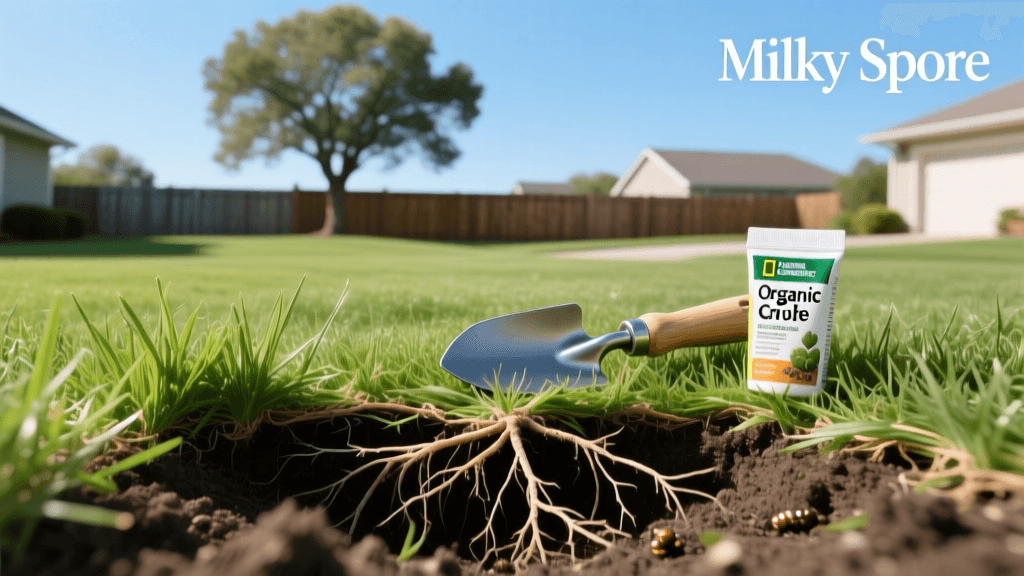
Expert Grub Control: Best Practices for a Healthy Lawn
Understanding the Enemy: White Grubs and Turfgrass Damage
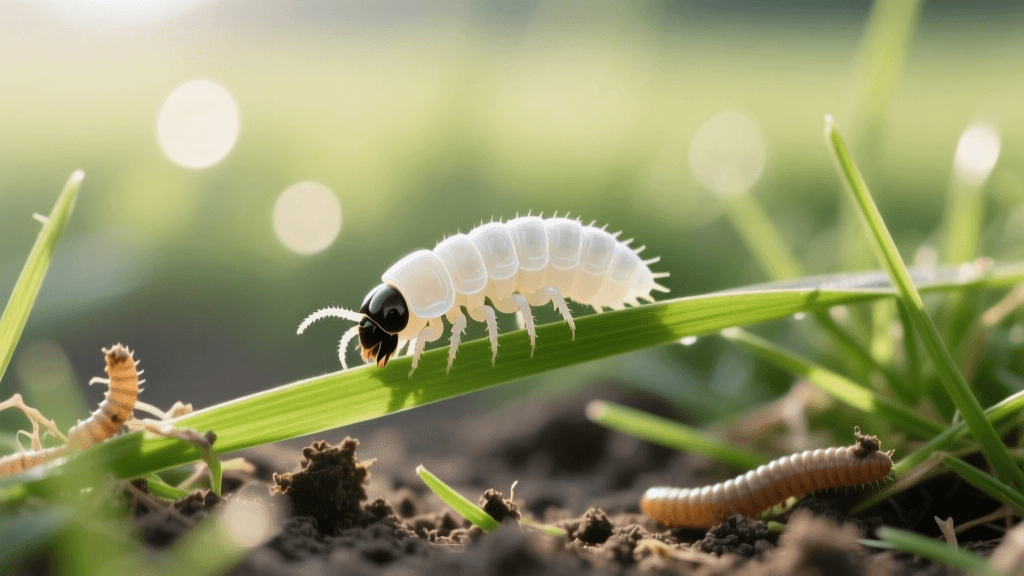
White grubs are the larval stage of various scarab beetles, including the Japanese beetle, European chafer, June beetle, and Oriental beetle. These C-shaped, cream-colored insects live beneath the soil surface, feeding aggressively on the roots of turfgrass. When left unchecked, a severe grub infestation can devastate a lawn, turning lush green grass into brown, dead patches in a matter of weeks. As a core component of Integrated Pest Management (IPM), effective grub control requires a deep understanding of the pest's life cycle, accurate identification, and the strategic application of both cultural and chemical controls.
The damage caused by grubs is twofold. First, the larvae sever the grassroots, cutting off the plant's ability to uptake water and nutrients. Second, the presence of a thriving grub population acts as a beacon for secondary pests. Mammalian predators such as skunks, raccoons, and armadillos, as well as birds like crows and starlings, will actively tear up the turf to feed on the protein-rich larvae, often causing more aesthetic damage to the lawn than the grubs themselves.
Identifying an Infestation: The Tug Test and Soil Sampling
Before reaching for a pesticide, it is critical to confirm that grubs are the actual cause of your lawn's decline. Drought stress, fungal diseases, and dog urine can all mimic the brown patches associated with grub damage. To accurately diagnose a grub problem, turfgrass professionals rely on a combination of visual cues and physical testing.
Visual Indicators and the Tug Test
- Spongy Turf: Lawns with heavy grub feeding often feel spongy or loose underfoot, similar to walking on a freshly laid rug.
- The Tug Test: Grab a handful of brown grass and pull gently. If the turf rolls back easily like a carpet, revealing severed roots and the topsoil layer, grubs are likely the culprit.
- Animal Digging: Irregular, shallow craters or torn-up sod are strong indicators that foraging animals have found a grub colony.
Establishing Treatment Thresholds
Not all grubs require chemical intervention. A healthy, vigorously growing lawn can tolerate a low population of root-feeding insects without showing visible stress. To determine if treatment is necessary, use a flat-edged spade to cut three sides of a 1-foot by 1-foot square of sod, about 3 inches deep. Peel back the turf and count the grubs in the top 2 inches of soil. According to Michigan State University Extension, finding 10 or more grubs per square foot warrants a targeted treatment. If you find fewer than 5 grubs per square foot, treatment is generally unnecessary, and cultural practices should suffice to maintain lawn health.
The Golden Rule of Grub Control: Timing the Life Cycle
The single most common mistake homeowners make is applying grub control products at the wrong time of year. Grubs have a distinct annual life cycle, and their susceptibility to treatments changes drastically as they mature.
In mid-summer (July to August), adult beetles lay eggs in the soil. These eggs hatch in late summer, releasing first- and second-instar grubs. These young larvae are small, actively feeding near the surface, and highly susceptible to both preventative and curative insecticides. As autumn approaches, the grubs molt into third-instar larvae, growing significantly in size and developing a robust exoskeleton that makes them highly resistant to many chemicals. In late fall, they burrow deep below the frost line to overwinter, emerging briefly in spring to feed before pupating into adult beetles.
Therefore, the optimal window for preventative treatments is between April and early July, targeting the eggs and newly hatched larvae. The optimal window for curative treatments (kill-on-contact) is late August through September, when the young grubs are actively feeding near the surface but before they grow too large and burrow deep for winter.
Preventative vs. Curative Treatments: A Product Comparison
Choosing the right active ingredient depends entirely on the time of year and the current state of the infestation. Below is a comparison of the most effective professional-grade and consumer-available active ingredients for grub management.
| Active Ingredient | Product Example | Control Type | Best Application Window | Est. Cost (per 1,000 sq ft) |
|---|---|---|---|---|
| Chlorantraniliprole | Scotts GrubEx1 | Preventative | April - June | $0.15 - $0.20 |
| Imidacloprid | Bayer Advanced 24 Hour Grub Killer | Preventative | June - July | $0.12 - $0.18 |
| Trichlorfon | Bayer Dylox 6.2 | Curative | August - September | $0.25 - $0.35 |
| Carbaryl | Sevin Lawn Insect Granules | Curative | August - September | $0.20 - $0.30 |
Expert Application Tip: Regardless of the chemical chosen, granular insecticides must be watered in immediately after application. Apply at least 0.5 inches of irrigation to wash the active ingredient off the grass blades and into the thatch and root zone where the grubs reside. Failure to water in the product will result in rapid UV degradation and complete failure of the treatment.
Biological and Organic Control Methods
For lawn care enthusiasts committed to organic IPM strategies, biological controls offer a highly effective, environmentally friendly alternative to synthetic chemicals. The two most prominent biological agents for grub control are entomopathogenic nematodes and Milky Spore disease.
Beneficial Nematodes (Heterorhabditis bacteriophora)
Beneficial nematodes are microscopic, unsegmented worms that actively hunt and infect soil-dwelling insects. The Heterorhabditis bacteriophora (Hb) strain is specifically proven to target white grubs. When applied to the lawn, these nematodes enter the grub's body and release symbiotic bacteria that kill the host within 48 hours. The nematodes then reproduce inside the dead grub and release thousands of new offspring into the soil to hunt for more prey.
- Timing: Apply in late summer (August) when soil temperatures are consistently above 60°F.
- Application Best Practices: Nematodes are living organisms highly susceptible to UV light and desiccation. Apply them in the early evening or on a cloudy day. The soil must be moist before application and kept consistently moist for 7 to 10 days afterward to allow the nematodes to move through the soil profile.
- Cost: Approximately $0.10 to $0.15 per square foot, making it a premium option for targeted areas rather than entire expansive properties.
Milky Spore (Paenibacillus popilliae)
Milky Spore is a naturally occurring bacterium that specifically targets Japanese beetle grubs. When ingested, the spores multiply inside the grub, eventually causing it to die and release billions of new spores into the soil. While highly effective in the long term, Milky Spore can take 2 to 4 years to build up sufficient concentrations in the soil to provide comprehensive control, making it a preventative, long-game strategy rather than a quick fix.
Cultural Best Practices for Long-Term Prevention
A robust, deeply rooted lawn is the first line of defense against grub damage. Turfgrass that is stressed by poor maintenance practices is far more susceptible to root loss. Implementing the following cultural best practices will raise your lawn's natural threshold for grub tolerance.
- Deep and Infrequent Irrigation: Adult beetles prefer to lay their eggs in moist, irrigated soil. Furthermore, grub eggs and first-instar larvae require high soil moisture to survive. By watering your lawn deeply but infrequently (e.g., 1 inch of water once a week rather than light daily watering), you allow the top layer of soil to dry out between waterings, naturally reducing egg hatch rates and larval survival.
- Mow High: Maintain your turf at a height of 3 to 4 inches. Taller grass blades promote deeper root systems, allowing the plant to withstand minor root pruning by low-level grub populations. Additionally, taller grass shades the soil surface, making it less hospitable for egg-laying beetles.
- Overseeding and Aeration: Core aeration relieves soil compaction, encouraging deep root growth. Overseeding with modern, endophyte-enhanced turfgrass varieties (such as specific tall fescues and perennial ryegrasses) introduces grasses that contain natural fungi which deter surface-feeding insects, though their effect on deep-root-feeding grubs is secondary to overall plant vigor.
Expert Insights and Authoritative Guidelines
Successful grub management is not about total eradication; it is about population management and preserving turfgrass health. Dr. David Smitley, a renowned turfgrass entomologist at Michigan State University, emphasizes that homeowners often over-treat their lawns out of fear rather than data. According to MSU Extension guidelines, 'The presence of a few grubs is normal and beneficial for soil aeration. Treatment should only be initiated when scouting confirms populations exceed the economic threshold of 10 grubs per square foot, and preventative applications of Chlorantraniliprole are preferred for their low toxicity to non-target organisms, including earthworms and pollinators.'
By combining precise scouting methods, strategic timing of low-toxicity preventatives, and resilient cultural practices, you can maintain a pristine lawn while adhering to the highest standards of environmental stewardship and Integrated Pest Management.