Pest Control
Expert Grub Control: Best Practices for a Healthy Lawn
Understanding the White Grub Threat
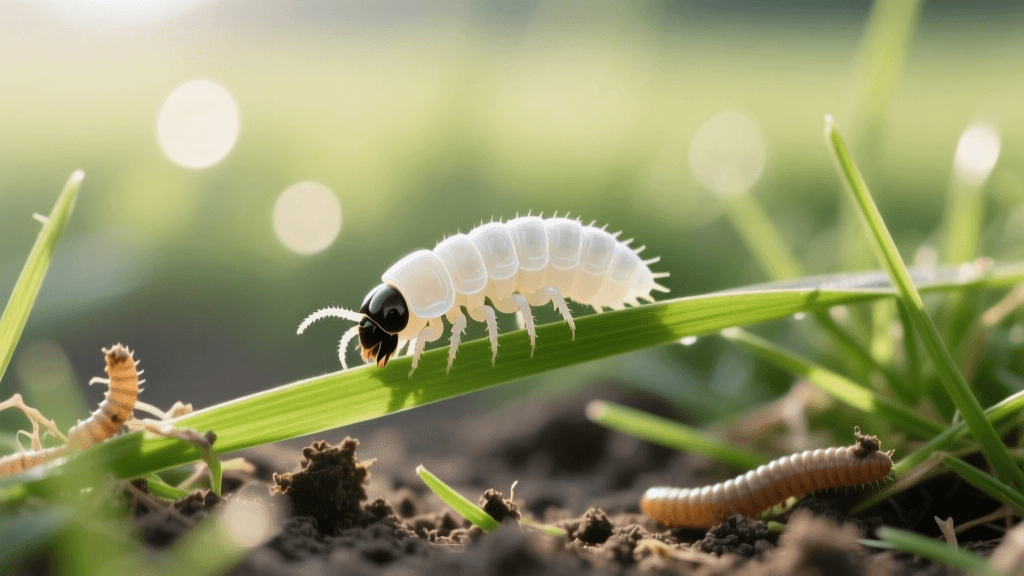
White grubs are the larval stage of several scarab beetles, including the Japanese beetle, European chafer, June bug, and Oriental beetle. These C-shaped, cream-colored larvae live just beneath the soil surface, feeding aggressively on the roots of turfgrass. When left unchecked, a severe grub infestation can destroy an entire lawn in a matter of weeks, leaving behind spongy, brown patches that roll back like loose carpet. Furthermore, grubs often invite secondary damage from foraging wildlife such as skunks, raccoons, and crows, which will tear up your turf to feast on the protein-rich larvae.
As a senior lawn care specialist, I always advise homeowners to move away from blind, calendar-based spraying and instead adopt an Integrated Pest Management (IPM) approach. IPM focuses on accurate identification, population threshold monitoring, and the strategic use of both biological and chemical controls to manage grubs effectively while minimizing environmental impact.
The IPM Approach: Scouting and Thresholds
The cornerstone of expert grub management is proper scouting. You should never apply a curative insecticide without first confirming the presence of grubs and measuring their population density. To scout, use a flat-headed shovel to cut three sides of a 1-foot by 1-foot square of turf, about 3 inches deep. Peel back the sod and count the grubs visible in the soil and on the roots.
"According to the Michigan State University Extension, a healthy, well-watered lawn can tolerate up to 5 to 10 grubs per square foot without showing visible damage. Treatment is generally only recommended when populations exceed 10 grubs per square foot, or if the lawn is already stressed by drought or poor soil conditions."
By adhering to these university-backed thresholds, you avoid unnecessary chemical applications, save money, and protect beneficial soil organisms. If you find fewer than five grubs per square foot, your best practice is to focus on cultural lawn care rather than reaching for pesticides.
Timing is Everything: Preventative vs. Curative Treatments
One of the most common mistakes homeowners make is applying the wrong product at the wrong time. Grub control products are strictly divided into two categories: preventatives and curatives. Understanding the difference is critical for a successful IPM strategy.
| Strategy | Active Ingredient Examples | Application Window | Target Stage | Average Cost (per 5,000 sq ft) |
|---|---|---|---|---|
| Preventative | Chlorantraniliprole, Imidacloprid, Clothianidin | Early June to Mid-July | Young larvae (1st and 2nd instars) | $25 - $45 |
| Curative | Trichlorfon, Carbaryl | Late August to October (or early Spring) | Mature larvae (3rd instars) | $35 - $60 |
| Biological | Beneficial Nematodes (Hb), Btg | Late Summer / Early Fall | Young to mid-stage larvae | $40 - $80 |
Preventative treatments are absorbed by the grass roots and kill grubs as they hatch and begin to feed. Curative treatments, on the other hand, act as contact or stomach poisons designed to kill large, actively feeding grubs that are already causing visible damage.
Expert Chemical Control Recommendations
When grub populations exceed the threshold and chemical intervention is warranted, selecting the right active ingredient is paramount.
Top Preventative Products
Chlorantraniliprole (e.g., Acelepryn, Scotts GrubEx1): This is the gold standard for preventative grub control. It is highly effective against all major grub species and has an excellent environmental safety profile, posing minimal risk to pollinators and earthworms. Apply between April and early June. It takes time to move into the root zone, so early application is key.
Imidacloprid (e.g., Merit): A widely used neonicotinoid that provides excellent control of young grubs. It must be applied in late June to early July, just before the eggs hatch. Expert Warning: Neonicotinoids can be harmful to bees if applied to turf that has flowering weeds (like clover) present. Always mow the lawn and remove weed blooms immediately before applying imidacloprid.
Top Curative Products
Trichlorfon (e.g., Dylox): If you missed the preventative window and your lawn is actively being destroyed in late August or September, Dylox is the professional's choice. It is a fast-acting organophosphate that kills mature grubs within 24 to 48 hours. However, it degrades rapidly in the soil (especially in high pH soils) and requires precise, immediate watering to be effective.
Biological and Organic Best Practices
For those seeking organic lawn care solutions, biological controls offer a highly effective, eco-friendly alternative to synthetic chemicals. These methods require precise timing and environmental conditions to succeed.
Beneficial Nematodes (Heterorhabditis bacteriophora)
Beneficial nematodes are microscopic, unsegmented worms that actively hunt down and infect grubs with a lethal bacteria. For grub control, you must specifically seek out the Heterorhabditis bacteriophora (Hb) strain, as other strains target different pests. Apply Hb nematodes at a rate of 1 billion per acre in late summer when young grubs are present. Crucial Best Practice: Nematodes are living organisms that are highly sensitive to UV light and desiccation. Apply them in the late evening or during a light rain, and irrigate the lawn immediately with about 0.25 inches of water to wash them into the soil. The soil must remain moist for the next 10 to 14 days for the nematodes to establish and reproduce.
Bacillus thuringiensis galleriae (Btg)
Marketeted under names like grubGONE!, Btg is a naturally occurring soil bacterium that produces proteins toxic to scarab beetle larvae. When ingested by the grub, it paralyzes their digestive tract. It is most effective when applied in late summer targeting early-instar grubs and is completely safe for pets, humans, and beneficial insects.
The Truth About Milky Spore
Milky Spore (Paenibacillus popilliae) is a famous organic grub treatment, but experts urge caution. It is only effective against Japanese beetle grubs; it will not kill European chafers or June bugs. Furthermore, it can take two to five years for the spore count to build up in the soil to effective levels, making it a poor choice for immediate relief.
Cultural Practices to Minimize Grub Damage
Even with the best IPM scouting, grubs will inevitably be present in your soil. The goal is to build a lawn resilient enough to withstand their feeding.
- Optimize Mowing Height: Never scalp your lawn. Keep your mower deck set to 3.5 or 4 inches. Taller grass develops deeper, more extensive root systems. A lawn with massive roots can lose 20% of its root mass to grubs without showing any above-ground browning.
- Deep, Infrequent Watering: Water your lawn deeply (1 inch per week) rather than lightly every day. This forces roots to grow deep into the soil profile, away from the shallow-feeding grubs. Additionally, adult beetles prefer to lay their eggs in moist, irrigated soil during July. Allowing your lawn to go slightly dormant during peak egg-laying season can naturally reduce the next generation of grubs.
- Core Aeration and Topdressing: Grubs thrive in compacted soils with heavy thatch layers. Annual core aeration relieves compaction and improves soil drainage, while topdressing with compost introduces beneficial microbes that naturally compete with and suppress grub populations.
Post-Treatment Lawn Recovery
If curative treatment was necessary and the lawn has suffered severe root loss, the grass will not simply bounce back on its own. You must physically reattach the turf or reseed. For rolled-back sod, gently rake the soil, lay the turf back down, and use lawn rollers or your feet to press the roots firmly back into contact with the soil. Follow up with heavy watering. If the turf is completely dead, overseed with a resilient, endophyte-enhanced grass seed blend (such as tall fescue) in early fall. Endophytes are beneficial fungi that live inside the grass blades and naturally deter surface-feeding insects, contributing to the overall IPM defense of your landscape.