Pest Control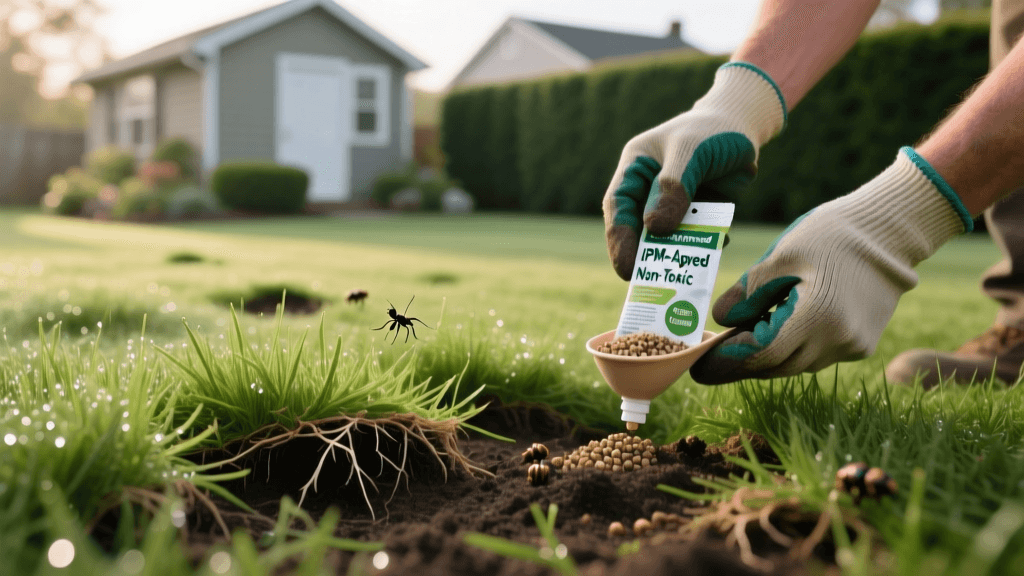
Expert Grub Control: Best Practices for a Healthy Lawn
The Hidden Threat Beneath Your Turf
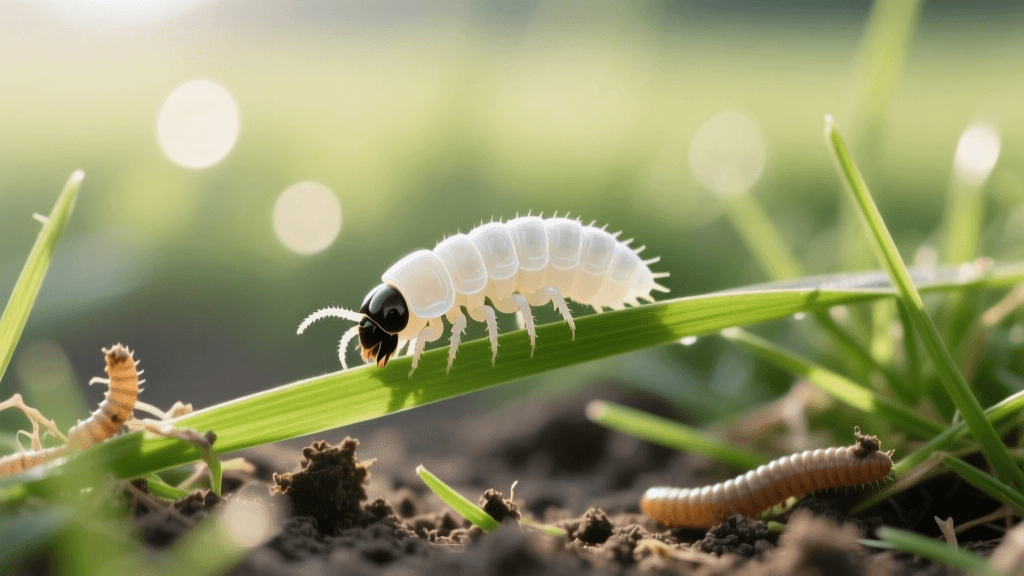
White grubs represent one of the most destructive subsurface threats to residential and commercial turfgrass. These C-shaped, creamy-white larvae are the immature stage of scarab beetles, including Japanese beetles, June bugs, and European chafers. By feeding aggressively on the root systems of your grass, grubs sever the plant's ability to absorb water and nutrients, leading to large, irregular patches of dead, easily detachable turf. However, effective grub management is not about indiscriminately spraying chemicals; it is about precision, timing, and Integrated Pest Management (IPM). In this comprehensive guide, we will explore expert best practices for identifying, preventing, and treating grub infestations to maintain a pristine, resilient lawn.
Understanding the White Grub Life Cycle
To master grub control, you must first understand the biology and life cycle of the pest. Timing your interventions to coincide with the grub's most vulnerable stages is the single most important factor in successful treatment.
- Early Summer (June - July): Adult scarab beetles emerge, mate, and lay eggs in the soil. Irrigated, lush lawns are highly attractive for egg-laying.
Mid-to-Late Summer (August - September): Eggs hatch into young, first-instar grubs. These young larvae are small, actively feeding near the soil surface, and highly susceptible to both chemical and biological treatments. - Late Fall (October - November): As soil temperatures drop, grubs mature into larger, second- and third-instar larvae and burrow deep below the frost line to overwinter.
- Spring (April - May): Overwintered grubs return to the root zone to feed briefly before pupating into adult beetles, completing the cycle.
Preventative vs. Curative Treatments
Lawn care professionals divide grub control into two distinct categories: preventative and curative. Choosing the right approach depends on your lawn's history, the time of year, and your environmental preferences.
Preventative Treatments (The Proactive Approach)
Preventative grub control is the cornerstone of modern IPM for turfgrass. These products utilize long-residual active ingredients that remain in the soil and root zone, killing young grubs shortly after they hatch. Because they target first- and second-instar larvae, preventatives require significantly lower chemical concentrations and pose less risk to non-target organisms.
Top Preventative Active Ingredients:
- Chlorantraniliprole: Sold under brand names like Acelepryn and Scotts GrubEx, this anthranilic diamide is highly effective and exceptionally safe for pollinators and earthworms. It has a long residual life and should be applied in April or May.
- Imidacloprid and Clothianidin: These neonicotinoids are fast-acting and highly lethal to young grubs. They should be applied in June or early July, just before or during egg hatch. Note: Neonicotinoids can be toxic to bees if applied to blooming weeds (like clover) in the lawn, so mowing before application is a strict best practice.
Curative Treatments (The Reactive Approach)
Curative treatments are necessary when you have missed the preventative window and are actively seeing lawn damage in late summer or early fall. These products utilize short-residual, fast-acting chemicals designed to kill larger, older grubs that are actively destroying roots.
Top Curative Active Ingredients:
- Trichlorfon: Commonly known by the brand name Dylox, this organophosphate is the gold standard for rapid curative control. It breaks down quickly in the soil (usually within a few days to a week), minimizing long-term environmental impact. Apply in August or September when damage is first noticed.
- Carbaryl: Another effective curative option, though it is highly toxic to earthworms and beneficial soil insects. It should only be used as a last resort for severe, late-season infestations.
Biological and Organic Grub Control
For homeowners seeking organic or environmentally sensitive approaches, biological controls offer excellent long-term IPM solutions, though they require patience and specific environmental conditions to succeed.
- Beneficial Nematodes (Heterorhabditis bacteriophora): These microscopic, soil-dwelling worms actively seek out and infect grubs with lethal bacteria. They must be applied in late summer when soil temperatures are above 60°F and the soil is consistently moist. Cost: Approximately $35 to $50 per 5,000 square feet.
- Milky Spore (Paenibacillus popilliae): This naturally occurring bacterium specifically targets Japanese beetle grubs. Once applied to the soil, it can provide control for 10 to 15 years. However, it takes 2 to 3 years to build up in the soil to effective levels, making it a poor choice for immediate relief.
Comparison Chart: Top Grub Control Active Ingredients
| Active Ingredient | Treatment Type | Best Application Window | Target Grub Stage | Estimated Cost (per 5,000 sq ft) |
|---|---|---|---|---|
| Chlorantraniliprole | Preventative | April - May | Eggs / 1st Instar | $18 - $25 |
| Imidacloprid | Preventative | June - Early July | 1st / 2nd Instar | $12 - $18 |
| Trichlorfon | Curative | August - September | 2nd / 3rd Instar | $20 - $28 |
| Hb Nematodes | Biological | August - September | All Larval Stages | $35 - $50 |
| Milky Spore | Biological | Spring or Fall | Japanese Beetle Only | $40 - $60 |
Expert IPM Best Practices and Application Tips
Applying the right product at the right time is only half the battle. Proper lawn assessment and application techniques dictate your success rate.
The Tug Test and Thresholds
Before spending money on curative treatments, verify that grubs are actually the problem. Perform the 'Tug Test': grasp a handful of declining grass at the edge of a brown patch and pull gently. If the turf rolls up like a loose carpet with no roots attached, grubs are likely present. Next, use a flat spade to cut a 1-foot by 1-foot square of sod, peel it back, and count the grubs in the top 2 inches of soil. According to Cornell University's Integrated Pest Management guidelines, a healthy lawn can tolerate up to 5 grubs per square foot. Treatment is generally only recommended when populations exceed 8 to 10 grubs per square foot.
Application and Watering Protocols
Grub control products must reach the root zone to be effective. Leaving granular products on the surface will result in UV degradation and complete failure.
'The most common reason for grub control failure is inadequate irrigation following application. Granular insecticides must be watered in with at least 0.25 to 0.5 inches of irrigation immediately after application to move the active ingredient into the thatch and soil profile.' - Purdue University Extension Entomology Department.
Always calibrate your broadcast spreader according to the manufacturer's label. Over-application wastes money and harms the environment, while under-application leads to survival and resistance. Furthermore, avoid applying preventatives to heavily thatched lawns (thatch layer > 0.5 inches), as the thatch will bind the chemical and prevent it from reaching the soil.
Managing Secondary Pest Damage
Often, the first sign of a grub infestation is not dead grass, but rather torn-up turf caused by secondary predators. Skunks, raccoons, armadillos, and flocks of crows or starlings will aggressively dig up your lawn to feast on the protein-rich grubs. While trapping or deterring these animals is a valid wildlife management strategy, the only permanent solution is to eliminate their food source by treating the grubs. If you notice animal digging in late summer, immediately perform the Tug Test and apply a fast-acting curative treatment like Trichlorfon to protect your turf from further mechanical damage.
Conclusion
Expert grub control relies on a deep understanding of the pest's life cycle and a commitment to Integrated Pest Management. By utilizing long-residual preventatives like Chlorantraniliprole in the spring, or fast-acting curatives like Trichlorfon in the late summer, you can protect your lawn's root system efficiently. Always verify thresholds with the Tug Test, water in your applications thoroughly, and maintain a robust, deeply-rooted turfgrass through proper mowing and fertilization to naturally resist subsurface pests.