Pest Control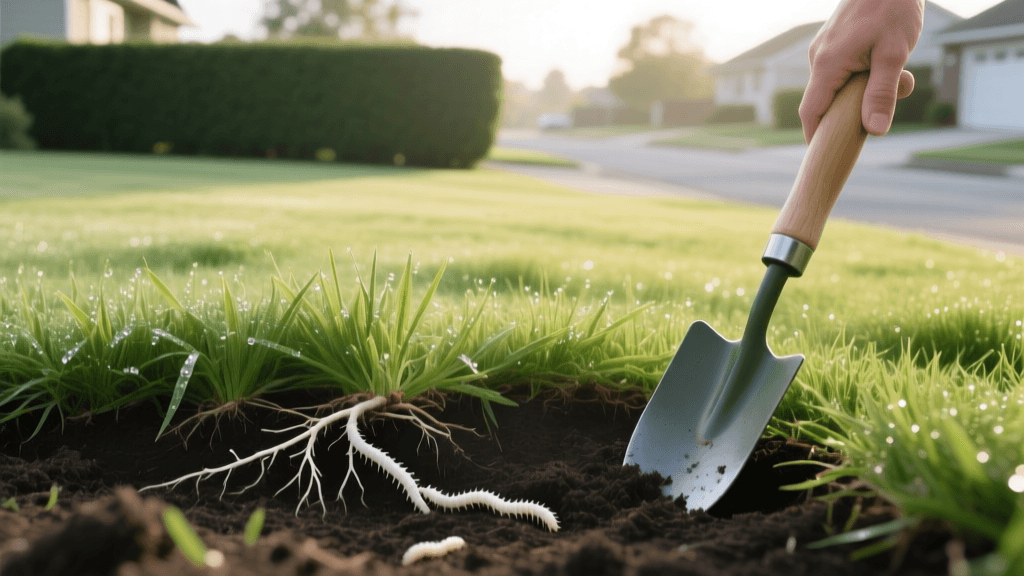
Expert Grub Control: Best Practices for a Healthy Lawn
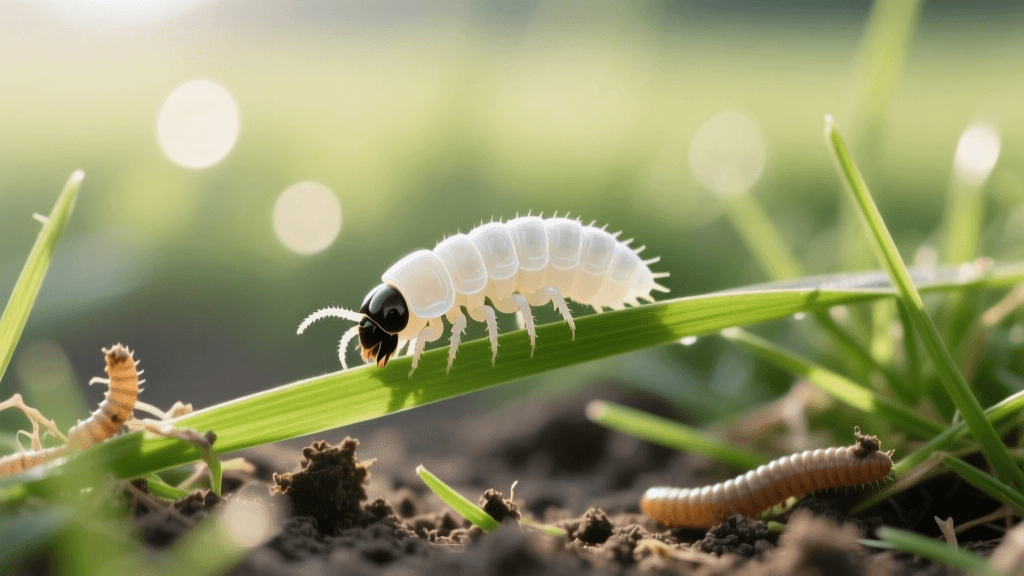
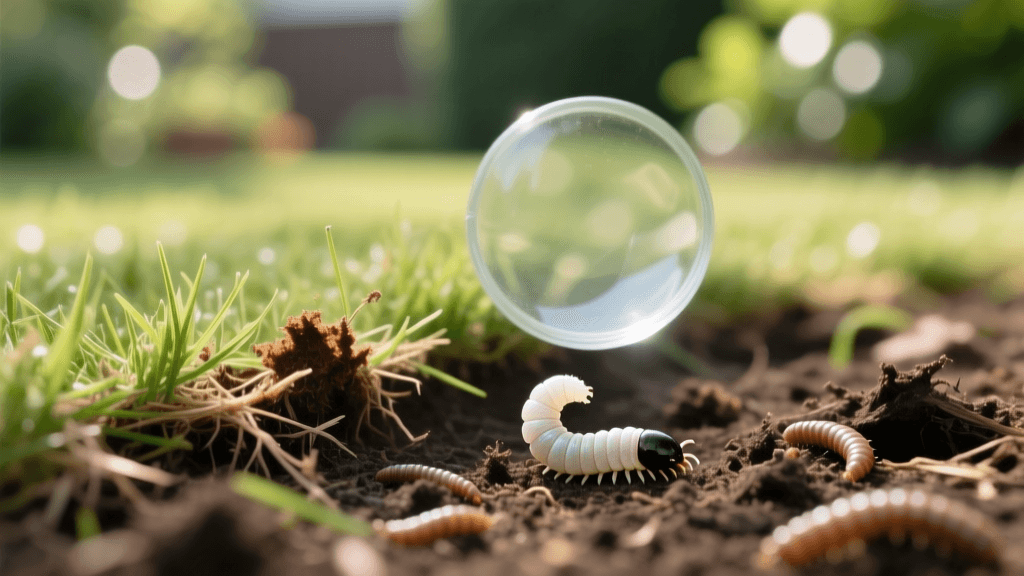
White grubs are the larval stage of various scarab beetles, including Japanese beetles, European chafers, and June bugs. These C-shaped, cream-colored pests feed aggressively on grassroots, causing devastating brown patches that can ruin a meticulously maintained lawn. However, as any seasoned turfgrass manager knows, reaching for a broad-spectrum insecticide at the first sign of damage is a novice mistake. True expert lawn care relies on Integrated Pest Management (IPM), a strategic approach that combines biological, cultural, and targeted chemical controls to manage grub populations sustainably and effectively.
Understanding the Enemy: The White Grub Life Cycle
To control grubs, you must understand their life cycle. Most common turf-damaging grubs follow a one-year (annual) life cycle. Adult beetles emerge in early summer, mate, and lay eggs in the soil, particularly in lush, well-irrigated lawns. These eggs hatch in mid-to-late summer, releasing first-instar larvae that immediately begin feeding on grassroots. As autumn approaches, they grow into second and third instars, causing the most severe damage. When soil temperatures drop, they burrow deep below the frost line to overwinter. In the spring, they return to the surface to feed briefly before pupating into adult beetles, starting the cycle anew.
Expert Scouting: Don't Treat Blindly
One of the foundational principles of IPM is establishing action thresholds. Treating a lawn without verifying grub presence is a waste of money and introduces unnecessary chemicals into the environment. Furthermore, secondary damage from wildlife like skunks, raccoons, and crows tearing up the turf to eat grubs is often mistaken for primary grub damage.
How to Scout:
- Use a flat-edged shovel or a specialized turf cup-cutter.
- Cut a 1-foot by 1-foot square of turf, about 2 to 3 inches deep, in multiple areas of the lawn (especially near walkways or driveways where soil is warmer).
- Peel back the sod like a carpet and sift through the topsoil.
- Count the grubs and replace the sod, watering it immediately.
According to Purdue University Extension, the established economic threshold for grub treatment is 5 to 10 grubs per square foot for a healthy, well-maintained lawn. If your lawn is stressed from drought or heavy foot traffic, the threshold drops to 3 to 5 grubs per square foot. If your counts are below these numbers, cultural practices and natural predators will keep the population in check without chemical intervention.
Preventative Chemical Controls: Timing is Everything
Preventative treatments are the cornerstone of proactive grub management. These products target young, early-instar grubs when they are most vulnerable and before they cause visible root damage. Timing is critical; applying these products too early or too late renders them ineffective.
Chlorantraniliprole (e.g., Scotts GrubEx, Acelepryn): This is currently the industry gold standard for preventative grub control. It is highly effective against all common white grub species and has an excellent environmental profile, posing minimal risk to pollinators and beneficial insects. Timing: Apply between April and early June. It takes 60 to 90 days to fully translocate into the root zone, so early application is mandatory. Cost: Approximately $20 to $30 per 5,000 square feet.
Imidacloprid (e.g., Merit): A widely used neonicotinoid that provides excellent control of young grubs. However, due to its potential impact on pollinators, it should be used cautiously and never applied to lawns with flowering weeds like clover. Timing: Apply in June or early July, just before or as eggs are hatching. Cost: Approximately $15 to $25 per 5,000 square feet.
Expert Tip: Always water preventative granular products into the soil with at least 1/2 inch of irrigation immediately after application to move the active ingredient into the root zone where the grubs feed.
Curative Treatments: Stopping an Active Infestation
If you missed the preventative window and discover an active infestation in late summer or early fall (indicated by spongy turf that rolls back easily and scouting counts exceeding 10 per square foot), you need a fast-acting curative product.
Trichlorfon (e.g., Dylox): This organophosphate insecticide is highly effective against all grub instars and works rapidly, often killing grubs within 24 to 48 hours of contact or ingestion. Timing: Apply from August through October when grubs are actively feeding near the surface. Cost: Approximately $25 to $40 per 5,000 square feet. Warning: Trichlorfon degrades rapidly in soils with a high pH (above 7.0). If your soil is alkaline, this product may lose its efficacy before it reaches the target pests.
Biological and Organic Controls
For homeowners committed to organic lawn care, biological controls offer a highly effective, environmentally friendly alternative to synthetic chemicals.
Beneficial Nematodes (Heterorhabditis bacteriophora): These microscopic, soil-dwelling worms actively seek out and infect white grubs, releasing bacteria that kill the host within 48 hours. The nematodes then reproduce inside the dead grub and release more warriors into the soil. Application Best Practices: Apply in late summer (August/September) when grubs are small. Soil temperature must be above 60°F, and the soil must be kept consistently moist for at least two weeks post-application to prevent the nematodes from drying out. Cost: $30 to $50 per 5,000 square feet.
Milky Spore (Paenibacillus popilliae): This naturally occurring bacterium specifically targets Japanese beetle grubs. When ingested, it causes a fatal disease that turns the grub's internal fluids milky white. Upon death, the grub releases billions of new spores into the soil. While highly effective long-term, Milky Spore can take 2 to 4 years to build up to effective levels in the soil and does not control European chafer or June bug larvae.
Comparison Chart: Grub Control Strategies
| Treatment Type | Active Ingredient / Agent | Application Timing | Target Stage | Est. Cost (per 5k sq ft) |
|---|---|---|---|---|
| Preventative | Chlorantraniliprole | April - May | Early Instar | $20 - $30 |
| Preventative | Imidacloprid | June - Early July | Early Instar | $15 - $25 |
| Curative | Trichlorfon | August - October | All Instars | $25 - $40 |
| Biological | Hb Nematodes | August - September | Early Instar | $30 - $50 |
| Biological | Milky Spore | Spring or Fall | Japanese Beetle Only | $40 - $60 |
Cultural Practices and Lawn Recovery
A robust lawn is your first line of defense against grub damage. Turfgrass with deep, extensive root systems can tolerate moderate grub feeding without showing above-ground symptoms.
Mowing Height: Raise your mower deck to 3.5 or 4 inches. Taller grass blades produce more photosynthate, which supports deeper, more resilient root growth.
Irrigation Strategy: Avoid frequent, shallow watering. Instead, water deeply and infrequently (providing 1 to 1.5 inches of water per week) to encourage roots to grow deep into the soil profile. Furthermore, allowing your lawn to go slightly dormant and avoiding heavy irrigation in July makes the soil less attractive to egg-laying female beetles, who prefer moist, soft soil.
Fertilization: Apply a slow-release, nitrogen-rich fertilizer in the early fall. This promotes rapid root regeneration and helps the grass outgrow any late-season grub damage.
'A healthy, vigorously growing lawn can often tolerate low to moderate grub populations without showing visible damage. Focus on building soil health and deep roots before relying on chemical interventions.' - Cornell University Cooperative Extension, IPM Guidelines for Turfgrass
Final Thoughts on Grub IPM
Mastering grub control is not about eradicating every single insect from your yard; it is about managing populations below the damage threshold. By combining proper scouting techniques, strategic timing for preventative or curative treatments, and resilient cultural practices, you can maintain a pristine, healthy lawn while minimizing environmental impact. Remember to always read and follow the label instructions on any pest control product, as the label is the law and the ultimate guide to safe, effective application.