Pest Control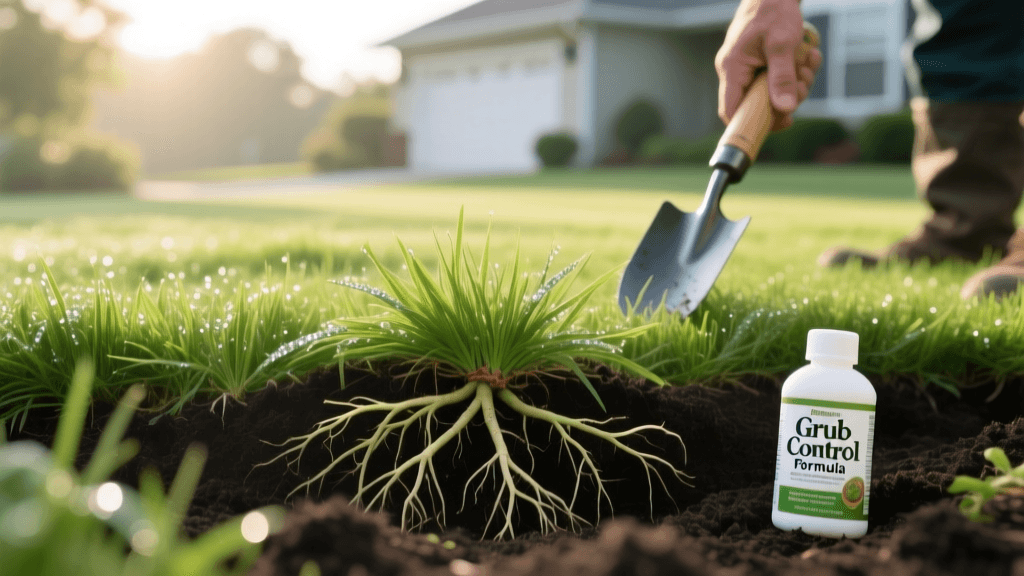
Expert Grub Control: Preventative vs Curative Lawn Care
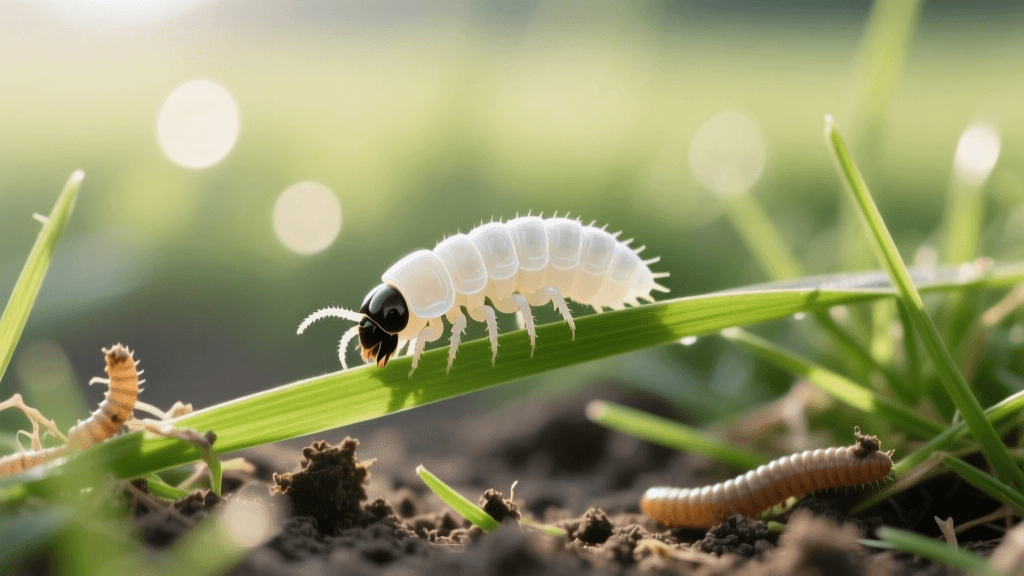
White grubs are among the most destructive turfgrass pests in North America. As the larval stage of scarab beetles—including Japanese beetles, June bugs, and European chafers—these C-shaped, cream-colored insects feed aggressively on grassroots. If left unchecked, a severe infestation can detach your turf from the soil, leading to massive brown patches, spongy lawn textures, and secondary damage from foraging wildlife like skunks, raccoons, and crows. Effective grub control requires more than just blindly applying pesticides; it demands a strategic, integrated pest management (IPM) approach tailored to the insect's life cycle. In this comprehensive guide, we break down expert best practices for both preventative and curative grub control, complete with product recommendations, precise application timings, and cost expectations.
Understanding the White Grub Life Cycle
To effectively manage grubs, you must understand their biological timeline. Adult beetles typically emerge and mate in early to mid-summer (June through July, depending on your hardiness zone). After mating, females lay eggs in the top few inches of your soil. These eggs hatch in late July to early August, releasing young grubs that immediately begin feeding on grassroots. During the fall, as soil temperatures drop, grubs burrow deeper into the soil profile to overwinter. They return to the root zone in early spring to feed briefly before pupating into adults, completing the cycle.
The most severe lawn damage occurs during two distinct windows: late summer to early fall (when young grubs are ravenously feeding and growing) and early spring (when overwintered grubs resume feeding before pupation). Knowing this cycle is the foundation of expert turf management.
Diagnosing a Grub Infestation: The Square Foot Test
Before spending money on treatments, confirm that grubs are actually the culprit. Brown patches can also be caused by drought stress, fungal diseases, or dog urine. The gold standard for diagnosis is the 'Square Foot Test'.
- Step 1: Choose a transition zone where green, healthy grass meets a brown, damaged patch.
- Step 2: Use a sharp spade or a sod cutter to cut three sides of a 12x12 inch square, about 2 to 3 inches deep.
- Step 3: Peel back the sod like a carpet and count the grubs in the soil and on the roots.
- Step 4: Replace the sod and water it immediately.
According to the Penn State University Cooperative Extension, treatment thresholds depend on your lawn's overall health and irrigation. A well-maintained, irrigated, and fertilized lawn can generally tolerate 5 to 7 grubs per square foot without showing visible damage. However, if your lawn is stressed, heavily shaded, or if you count more than 8 to 10 grubs per square foot, intervention is strictly necessary to prevent total turf loss.
Preventative vs. Curative Grub Control: A Comparison
Lawn care professionals divide grub control into two distinct categories: preventative and curative. Choosing the right strategy depends entirely on the time of year and the current grub population.
| Feature | Preventative Treatments | Curative Treatments |
|---|---|---|
| Primary Goal | Kill young grubs before they cause visible damage | Eliminate active, mature grubs currently destroying roots |
| Optimal Timing | Late spring to early summer (April - June) | Late summer to early fall (August - October) |
| Target Life Stage | Newly hatched larvae (1st and 2nd instar) | Older, larger larvae (3rd instar) |
| Common Active Ingredients | Chlorantraniliprole, Imidacloprid, Thiamethoxam | Trichlorfon, Carbaryl |
| Speed of Kill | Slow (takes weeks to reach peak efficacy) | Fast (kills within 24 to 72 hours) |
| Average Cost | $15 - $25 per 10,000 sq. ft. | $20 - $35 per 10,000 sq. ft. |
Expert Best Practices for Preventative Grub Treatment
Preventative treatments are the cornerstone of a proactive IPM strategy. These products must be applied before eggs hatch or shortly thereafter. They work systemically or remain in the thatch layer, waiting for young grubs to ingest them.
Top Preventative Active Ingredients
- Chlorantraniliprole: Found in premium products like Acelepryn and Scotts GrubEx. This is the gold standard for professionals due to its low toxicity to beneficial insects (like bees and earthworms) and its long residual activity in the soil. Apply between April and early June.
- Imidacloprid: Found in Bayer Advanced and many generic store brands. Highly effective but carries higher risks for non-target pollinators. Apply in June or early July, just before egg hatch.
Application Rules for Preventatives
The most common mistake homeowners make with preventative grub control is failing to water the product into the soil. Granular insecticides must be moved past the thatch layer and into the top 2 inches of soil where eggs are laid. Immediately after application, irrigate the lawn with exactly 0.25 to 0.5 inches of water. Use a rain gauge or an empty tuna can placed on the lawn to measure the output. Furthermore, mow your lawn right before application to ensure the granules reach the soil surface rather than getting trapped in tall grass blades.
Expert Best Practices for Curative Grub Treatment
If you missed the preventative window and find your lawn rolling back like a carpet in September, you need a curative approach. Curative products are contact insecticides designed to penetrate the soil quickly and kill large, actively feeding grubs on contact.
Top Curative Active Ingredients
- Trichlorfon: Widely available under the brand name Dylox. This is the most effective curative option for homeowners and professionals alike. It breaks down rapidly in the soil (within a few days), meaning it leaves no long-term residue, but it requires precise timing.
- Carbaryl: Sold under the brand name Sevin. While effective, it is harsher on beneficial soil organisms and earthworms compared to Trichlorfon.
Application Rules for Curatives
Curative treatments require heavy watering to be effective. Because the grubs are deeper in the soil profile by late summer, you must apply 0.5 to 0.75 inches of water immediately after spreading Dylox to wash the active ingredient deep into the root zone. Be aware that Trichlorfon degrades rapidly in highly alkaline soils (pH above 7.5). If your soil pH is high, the product may lose efficacy before it reaches the grubs. Always test your soil pH in early spring to inform your late-summer pest control strategy.
Organic and Biological Grub Control Methods
For eco-conscious gardeners or those managing lawns near sensitive waterways, biological controls offer a highly effective, non-toxic alternative to synthetic chemicals. These methods require more patience and precise environmental conditions but provide excellent long-term results.
Beneficial Nematodes (Heterorhabditis bacteriophora)
Microscopic parasitic worms, specifically the Heterorhabditis bacteriophora species, actively hunt and infect grubs in the soil. Once inside the grub, the nematodes release bacteria that kill the host within 48 hours, after which the nematodes reproduce and seek out new prey.
- Cost: Approximately $40 to $60 per million nematodes (covers about 2,500 to 3,000 sq. ft.).
- Timing: Apply in late summer (August to September) when grubs are young and soil temperatures are between 60°F and 85°F.
- Expert Tip: Nematodes are living organisms and are highly susceptible to UV light and desiccation. Apply them in the late evening or on a cloudy day. You must keep the soil consistently moist for 10 to 14 days post-application to ensure their survival. Purchase them from reputable suppliers who ship them in cold packs.
Milky Spore (Paenibacillus popilliae)
Milky Spore is a naturally occurring bacterium that specifically targets Japanese beetle grubs. While it can take 2 to 3 years to fully establish in the soil, once established, it can provide natural grub suppression for up to 15 years. It is applied via grid-spacing drops across the lawn and watered in. Note that Milky Spore is entirely ineffective against European chafer or June bug grubs, making proper species identification crucial before investing in this treatment.
Post-Treatment Lawn Recovery and Repair
Killing the grubs is only half the battle; repairing the damaged root system is equally important. After a curative treatment in the fall, or following severe wildlife damage, implement these recovery steps:
- Core Aeration: Relieve soil compaction and improve seed-to-soil contact by running a core aerator over the damaged areas.
- Overseeding: Apply a high-quality, endophyte-enhanced turfgrass seed blend. Endophytes are beneficial fungi that live inside the grass plant and naturally deter surface-feeding insects, improving overall turf resilience.
- Starter Fertilizer: Apply a phosphorus-rich starter fertilizer to encourage rapid root development in the newly germinated grass.
- Wildlife Deterrents: If skunks and raccoons have torn up your lawn looking for grubs, use motion-activated sprinklers or castor oil-based repellents to keep them away while your new seed establishes.
By combining accurate diagnosis, precise timing, and the correct active ingredients, you can protect your turfgrass from white grubs and maintain a dense, vibrant, and resilient lawn year after year. Always remember to read and follow the manufacturer's label instructions on any pest control product, as the label is the law.