Pest Control
Expert Grub Control: Best Practices for a Healthy Lawn
The Hidden Menace: Identifying White Grubs
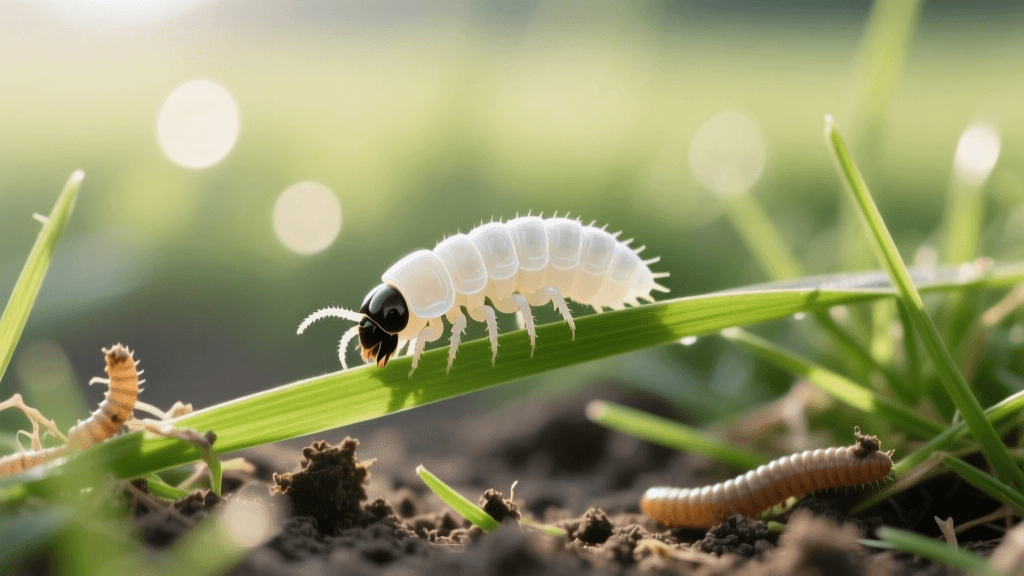
White grubs represent one of the most destructive subterranean threats to cool-season and warm-season turfgrasses across North America. As the larval stage of various scarab beetles—including the notorious Japanese beetle, European chafer, and June bug—these C-shaped, creamy-white pests feast aggressively on grass roots. Left unchecked, a severe grub infestation will sever the root system from the soil, causing the turf to brown, detach, and roll back like a loose carpet. For lawn care professionals and dedicated homeowners alike, mastering grub control requires moving beyond reactive panic and embracing a proactive, science-backed Integrated Pest Management (IPM) strategy. In this comprehensive guide, we break down the expert tips, precise application timings, and best practices necessary to maintain a pristine, grub-free lawn.
Understanding the Grub Life Cycle and Scouting Best Practices
To effectively combat white grubs, you must first understand their biological clock. Most common turf-destroying grubs follow a one-year life cycle. Adult beetles emerge in early summer, mate, and lay eggs in the top few inches of moist soil. By late July and August, these eggs hatch into young, ravenous larvae. These first and second-instar grubs cause the most rapid and severe root damage in late summer and early fall. As soil temperatures drop in late autumn, grubs burrow deep below the frost line to overwinter, returning to the root zone in spring to feed briefly before pupating into adults.
Expert scouting is the cornerstone of IPM. Do not apply curative chemicals blindly. Instead, perform a turf inspection in early August. Using a sharp spade, cut three sides of a one-square-foot section of lawn and peel back the turf like a page in a book. Sift through the top two inches of soil and count the grubs. According to entomologists at Purdue University Extension, a healthy, well-maintained lawn can tolerate a threshold of five to ten grubs per square foot without showing visible damage. If your count exceeds ten grubs per square foot, treatment is immediately justified.
The Expert Calendar: Timing Preventative vs. Curative Treatments
The most common mistake homeowners make is applying the wrong product at the wrong time. Grub control products are strictly divided into two categories: preventatives and curatives. Understanding the active ingredients and their optimal application windows is critical for success.
Preventative Controls (Spring to Early Summer)
Preventative insecticides target young, newly hatched grubs before they can inflict significant root damage. These products require precise timing and must be watered into the soil to create a protective barrier in the root zone.
- Chlorantraniliprole (Brand name: Acelepryn, GrubEx): This is the gold standard for early-season prevention. It is highly effective, environmentally friendly, and safe for pollinators. Apply between early April and late May. It takes several weeks to fully translocate into the root zone, providing residual control well into the fall.
- Imidacloprid (Brand name: Merit) and Clothianidin (Arena): These neonicotinoids are fast-acting preventatives. Apply them in June or early July, just before or as eggs are hatching. They offer excellent control of young instars but degrade faster than Chlorantraniliprole, meaning timing is much more rigid.
Curative Controls (Late Summer to Fall)
If you missed the preventative window and your August scouting reveals damaging populations of active, mature grubs, you must deploy a curative insecticide. Curative products act quickly to kill older, feeding grubs on contact or through rapid ingestion.
- Trichlorfon (Brand name: Dylox): This is the premier curative granular treatment. Apply in late August or September when grubs are actively feeding near the surface. Trichlorfon breaks down rapidly in the soil (often within a few days), so it leaves no long-term residual, but it knocks out active populations within 48 to 72 hours.
- Carbaryl (Sevin): An alternative curative option, though generally considered less effective against larger European chafer grubs compared to Trichlorfon.
Preventative vs. Curative Grub Control Comparison
| Active Ingredient | Common Brand | Type | Application Window | Est. Cost (5,000 sq ft) |
|---|---|---|---|---|
| Chlorantraniliprole | Acelepryn / GrubEx | Preventative | April - May | $20 - $35 |
| Imidacloprid | Merit / BioAdvanced | Preventative | June - Early July | $15 - $25 |
| Trichlorfon | Dylox | Curative | August - September | $25 - $40 |
| Hb Nematodes | Various Organic | Biological | Late August - Sept | $30 - $50 |
Step-by-Step Application Best Practices
Even the most expensive professional-grade insecticide will fail if applied incorrectly. Follow these expert application protocols to ensure maximum efficacy and environmental safety.
Step 1: Thatch Management and Mowing. Grub control products must reach the soil surface. If your lawn has a thatch layer thicker than half an inch, dethatch or core aerate before application. Mow the lawn slightly shorter than usual to reduce chemical interception by the grass blades. Furthermore, always remove weeds and flowering clover from the lawn prior to application to protect foraging bees.
Step 2: Spreader Calibration. Do not guess your spreader settings. Calibrate your broadcast or drop spreader to ensure an even distribution rate. Overlapping passes slightly on the edges of your lawn prevents missed strips, which are often the first areas to show grub damage.
Step 3: Immediate Irrigation. This is the most critical step. With the exception of some specific liquid formulations, granular grub control products must be watered in immediately after application. You need to apply exactly 0.25 to 0.5 inches of water to dissolve the granules and wash the active ingredient down into the top two inches of soil where the grubs feed. Use a rain gauge or an empty tuna can placed on the lawn to measure your sprinkler output accurately.
Biological Control: Utilizing Beneficial Nematodes
For organic lawn care practitioners, synthetic chemicals are off the table. The most effective biological control for white grubs is the application of entomopathogenic nematodes, specifically the species Heterorhabditis bacteriophora (Hb). These microscopic, unsegmented worms actively seek out grub larvae in the soil, enter their bodies, and release symbiotic bacteria that kill the host within 48 hours.
Nematodes are living organisms and require careful handling. Purchase them from reputable suppliers who ship them in temperature-controlled packaging. Apply them in the late afternoon or on a cloudy day, as UV light will kill them instantly. The soil must be moist prior to application and kept consistently moist for the following two weeks to allow the nematodes to swim through the soil pores and locate their prey. While more expensive and labor-intensive than synthetic alternatives, nematodes offer a highly sustainable, non-toxic solution that will not harm earthworms, pets, or humans.
Cultural Controls: Building a Grub-Resistant Lawn
Long-term grub management relies heavily on cultural practices that make your lawn less hospitable to egg-laying beetles and more resilient to root pruning.
First, adjust your irrigation habits. Female Japanese beetles and European chafers actively seek out moist, easily penetrable soil to lay their eggs. Lawns that are watered frequently and shallowly during July and August act as magnets for egg-laying. By practicing deep, infrequent watering—and allowing the surface to dry out slightly during peak egg-laying season—you can drastically reduce the number of eggs deposited in your turf.
Second, raise your mowing height. Maintain your cool-season turf at a minimum height of 3 to 4 inches. Taller grass develops deeper, more extensive root systems. A robust root system can sustain a much higher threshold of grub feeding before showing any visible signs of stress or browning. Additionally, taller grass shades the soil surface, keeping it cooler and less attractive to foraging beetles.
Finally, consider overseeding with endophyte-enhanced grass varieties. Tall fescues and perennial ryegrasses that contain naturally occurring endophytic fungi are highly resistant to surface-feeding insects and exhibit increased overall vigor, helping the lawn recover faster from any subterranean root damage.
Expert Insight: What the Research Says
'The key to successful grub management is not necessarily the product you choose, but the timing of the application and the subsequent irrigation. A preventative application of imidacloprid watered in properly in June will outperform a curative application of trichlorfon applied in September after the damage is already done.'
— Purdue University Extension, Turfgrass Pest Management Guidelines
Cost Analysis: DIY vs. Professional Lawn Care Services
When budgeting for grub control, homeowners must weigh the cost of materials against the value of their time and equipment. A high-quality DIY preventative granular treatment like Scotts GrubEx will cost approximately $25 to $35 for a bag covering 5,000 square feet. Curative Dylox typically runs $30 to $45 for the same coverage.
Conversely, hiring a licensed lawn care professional to include grub prevention in a comprehensive seasonal fertilization and weed control program generally adds $50 to $90 per application, depending on your total property size and regional labor rates. While the upfront cost is higher, professionals utilize commercial-grade spreaders, premium active ingredients like Acelepryn, and carry the liability and guarantee of re-treatment if the product fails. For lawns larger than 10,000 square feet, or for homeowners who struggle with spreader calibration and irrigation scheduling, outsourcing to a professional is often the most cost-effective and reliable long-term strategy.
Final Thoughts on Proactive Turf Management
Mastering grub control is a testament to the power of proactive lawn management. By combining precise scouting, strategically timed preventative applications, proper irrigation protocols, and resilient cultural practices, you can fortify your turf against these subterranean destroyers. Implement these expert best practices this season, and enjoy a thick, deeply rooted, and vigorously green lawn year after year.