Pest Control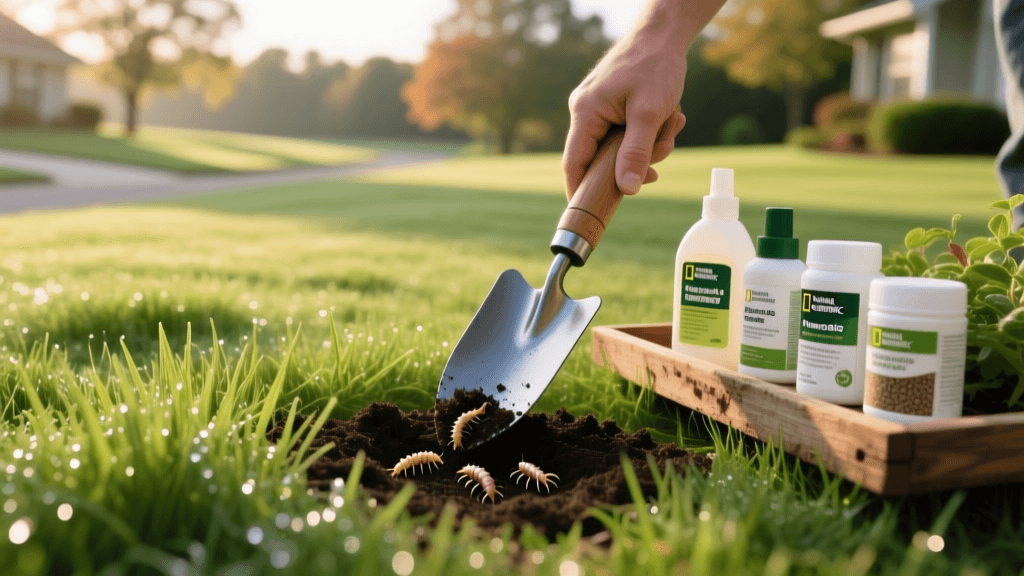
Expert Guide to Lawn Grub Control: Timing and Best Products
Understanding the White Grub Threat
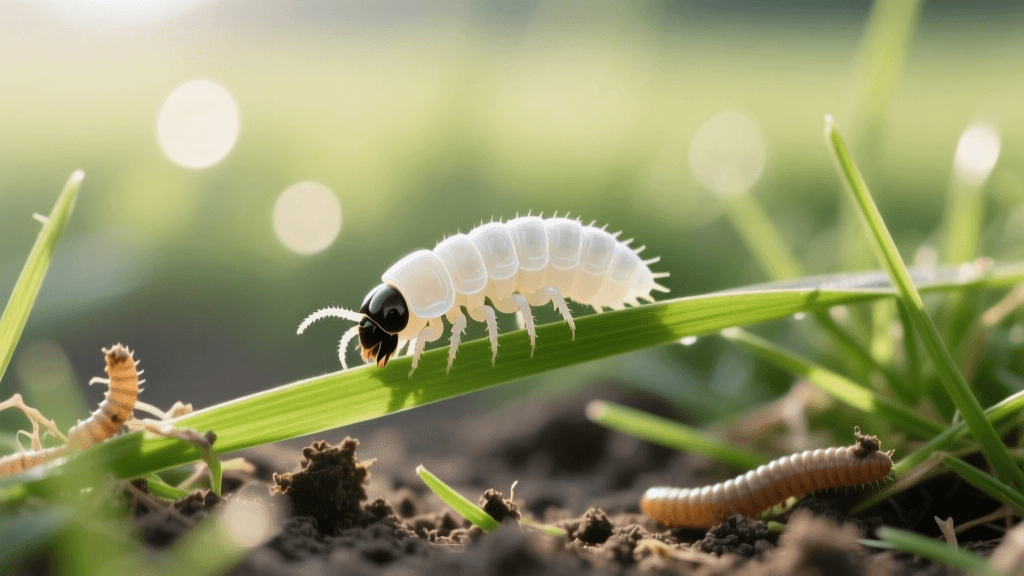
White grubs are the larval stage of several scarab beetles, including the notorious Japanese beetle, the European chafer, and the June bug. These C-shaped, cream-colored larvae live just beneath the soil surface, feeding aggressively on the root systems of turfgrass. When left unchecked, a severe grub infestation can destroy an entire lawn in a matter of weeks, leaving behind large, irregular brown patches of dead grass that can be rolled back like a loose carpet. Furthermore, secondary damage often occurs when foraging animals like skunks, raccoons, and crows tear up the weakened turf to feed on the protein-rich larvae.
As a senior pest control specialist, I advocate for an Integrated Pest Management (IPM) approach. This means moving away from blind, calendar-based pesticide applications and instead relying on precise timing, accurate scouting, and a combination of biological and chemical controls. In this comprehensive guide, we will break down the exact best practices for lawn grub control, including specific product recommendations, application measurements, and cost expectations.
Scouting and Action Thresholds
Before reaching for a chemical treatment, you must confirm that grubs are actually the culprit and that their population exceeds the damage threshold. Many turf issues, such as drought stress, fungal diseases, or dog urine spots, mimic grub damage. To scout effectively, use a flat-headed shovel to cut a one-square-foot section of turf on three sides, about two to three inches deep, and peel it back like a hinge.
Sift through the top two inches of soil and count the grubs. Repeat this process in at least three different areas of your lawn, particularly in highly visible or historically problem-prone zones. According to authoritative turfgrass research, a robust, well-maintained lawn can tolerate a surprising number of grubs before aesthetic or structural damage occurs.
'A healthy, vigorously growing lawn can typically tolerate 5 to 10 grubs per square foot without requiring chemical intervention. Treatment is generally only recommended when populations exceed 10 grubs per square foot, or if the turf is already stressed by drought or poor soil conditions.'
— Michigan State University Extension, Turfgrass Science Program
Preventative vs. Curative Grub Control
The most common mistake homeowners make is applying the wrong type of grub control at the wrong time of year. Grub control products are strictly divided into two categories: preventatives and curatives. Understanding the distinction is critical for a successful IPM strategy.
Preventative Treatments (Spring to Early Summer)
Preventative insecticides are designed to kill grubs as they hatch or while they are in their early, most vulnerable instar stages. These products have a long residual activity in the soil, meaning they must be applied before the eggs hatch. The ideal application window is between mid-April and late June, depending on your geographic location. The two most effective preventative active ingredients are Chlorantraniliprole and Imidacloprid. Chlorantraniliprole is highly favored by IPM professionals because it is exceptionally safe for pollinators and earthworms, while still providing season-long control.
Curative Treatments (Late Summer to Early Fall)
If you missed the preventative window, or if a sudden late-summer infestation catches you off guard, you must use a curative product. Curative insecticides are fast-acting contact killers designed to eliminate large, actively feeding third-instar grubs. The application window is narrow: typically mid-August through September. The industry standard for curative control is Trichlorfon. It breaks down rapidly in the soil (often within a week or two), which makes it ineffective if applied too early in the summer, but it provides a rapid 'knockdown' effect when grubs are actively destroying roots near the surface.
Comparison Chart: Top Grub Control Products
The following table outlines the most effective active ingredients on the market, categorized by their use case, optimal timing, and approximate costs. Prices are estimated based on treating a standard 5,000 square foot lawn area.
| Active Ingredient | Brand Example | Control Type | Application Window | Target Grub Stage | Avg. Cost (per 5k sq ft) |
|---|---|---|---|---|---|
| Chlorantraniliprole | Scotts GrubEx1 | Preventative | April - June | Eggs / Early Instar | $18 - $22 |
| Imidacloprid | Bayer Advanced 24-Hour | Preventative | May - July | Early Instar | $15 - $20 |
| Trichlorfon | Bayer Dylox 6.2 | Curative | August - September | Late Instar (Large) | $22 - $28 |
| Carbaryl | Sevin Lawn Insect | Curative | August - September | Late Instar (Large) | $16 - $21 |
| Beneficial Nematodes | Scanmask / Arbico | Biological | August - October | Early to Mid Instar | $35 - $50 |
Organic and Biological Control Methods
For lawn care professionals and homeowners prioritizing organic landscaping, biological controls offer a highly effective, eco-friendly alternative to synthetic chemicals. The two primary biological agents for grub control are Beneficial Nematodes and Milky Spore.
- Beneficial Nematodes (Heterorhabditis bacteriophora): These microscopic, unsegmented worms naturally occur in soil and actively hunt down grub larvae. Once they enter the grub's body, they release a bacteria that kills the host within 48 hours. For best results, apply nematodes in late summer when soil temperatures are between 60°F and 70°F. They must be applied in the late afternoon or evening to avoid UV degradation, and the lawn must be kept consistently moist for at least 10 days post-application. Expect to pay around $40 for a pack that treats 3,000 square feet.
- Milky Spore (Paenibacillus popilliae): This is a naturally occurring bacterium specifically targeted at Japanese beetle grubs. When ingested, it causes a fatal milky disease. While highly effective long-term, Milky Spore is a slow burn; it can take two to four years to build up sufficient spore counts in the soil to provide comprehensive control. It is applied via a grid pattern using a drop spreader or specialized applicator tube, costing roughly $60 to treat 2,500 square feet.
Expert Application Protocol: Step-by-Step
Even the most expensive, high-quality pesticide will fail if applied incorrectly. Follow this strict protocol to ensure the active ingredient reaches the root zone where the grubs are feeding.
- Mow Before Application: Mow your lawn to its standard height and remove any excessive thatch. If the thatch layer is thicker than 0.5 inches, core aerate or use a dethatching rake before applying any treatment, as thatch will bind the chemicals and prevent them from reaching the soil.
- Calibrate Your Spreaders: Whether using a rotary or drop spreader, calibrate it according to the manufacturer's settings listed on the product bag. Over-applying wastes money and harms the environment; under-applying leads to pesticide resistance and surviving grubs.
- Water In Immediately: This is the most critical step. Grub control products must be washed off the grass blades and into the top two inches of soil. Apply exactly 0.25 to 0.5 inches of water immediately after spreading. Use an empty tuna can placed on the lawn to measure when you have reached the half-inch mark with your sprinkler.
- Protect Pollinators: If your lawn contains flowering weeds like clover or dandelions, mow them down before applying any insecticide, particularly neonicotinoids like Imidacloprid, to prevent foraging bees from coming into contact with the treated nectar.
Post-Treatment Lawn Recovery
If curative treatment was necessary, the grubs may be dead, but the root damage has already been done. The turf will not magically reattach itself to the soil. To save the lawn, you must press the loose sod back down firmly with a lawn roller or your feet to ensure the remaining roots maintain contact with the soil. Follow up with deep, infrequent watering to encourage whatever roots are left to re-establish.
For areas where the grass is entirely dead, rake out the debris, loosen the topsoil, and overseed with a high-quality, drought-tolerant turfgrass blend appropriate for your USDA hardiness zone. Apply a starter fertilizer (such as a 10-18-10 NPK ratio) to give the new seedlings the phosphorus they need for rapid root development. By combining precise chemical or biological interventions with rigorous cultural practices, you can maintain a pristine, grub-free lawn season after season.