Pest Control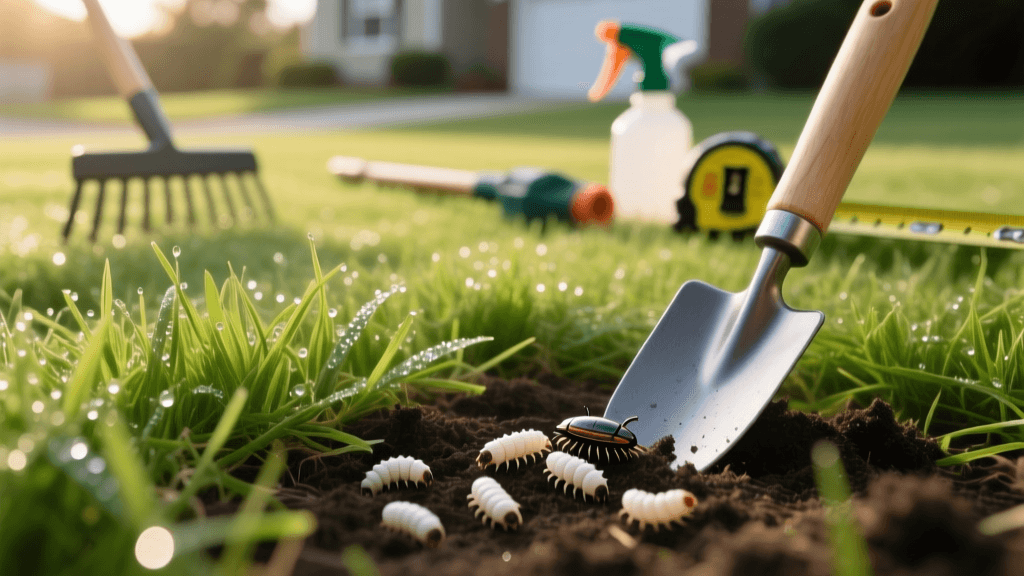
Expert White Grub Control and IPM Strategies for Lawns
Understanding the White Grub Threat in Home Lawns
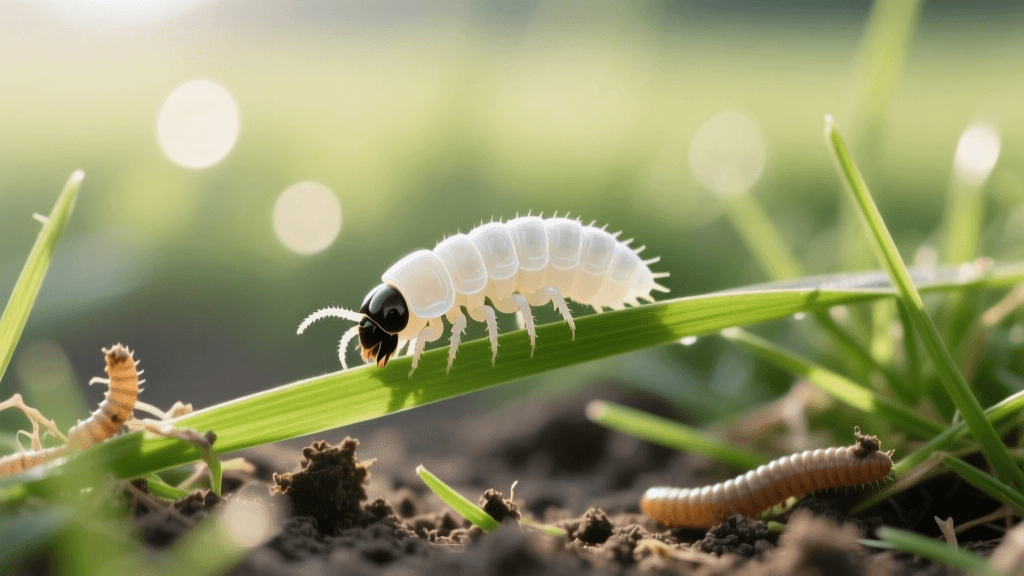
White grubs are the larval stage of several scarab beetle species, including Japanese beetles, European chafers, June bugs, and Asiatic garden beetles. These C-shaped, creamy-white larvae with brown heads and six legs near the thorax are among the most destructive turfgrass pests in North America. They reside in the soil profile, feeding aggressively on the root systems of your lawn. As they sever the roots, the turf loses its ability to uptake water and nutrients, leading to irregular brown patches that can be rolled back like a loose carpet. Secondary damage often occurs when predatory animals, such as skunks, raccoons, and crows, tear up the lawn to feast on the protein-rich grubs. Implementing an Integrated Pest Management (IPM) approach is the most sustainable and cost-effective way to manage this threat without unnecessarily harming the local ecosystem.
The IPM Approach: Scouting and Thresholds
Integrated Pest Management dictates that we do not apply chemicals blindly. Instead, we scout, identify, and treat only when populations exceed established economic or aesthetic thresholds. According to turfgrass entomologists at Purdue University Extension, a healthy, well-maintained lawn can tolerate a surprising number of grubs before visible damage occurs. The generally accepted threshold is five to ten grubs per square foot for robust lawns, though highly stressed or poorly irrigated turf may show damage at lower populations.
How to Conduct a Grub Survey
To conduct a proper grub survey, you will need a sharp spade, a trowel, and a bucket of soapy water. Select three to five areas across your lawn, particularly those that have suffered damage in previous years or areas that dry out quickly. Cut three sides of a 1-foot by 1-foot square in the sod, about 3 to 4 inches deep. Peel back the sod like a page in a book. Carefully examine the soil and root zone, breaking apart the top inch of soil to expose hiding larvae. Count the grubs, record the numbers, and replace the sod, watering it immediately to prevent desiccation. If your average count exceeds the threshold, targeted intervention is justified.
Timing is Everything: Preventative vs. Curative
Timing your application correctly is the single most critical factor in grub control. Grubs undergo different developmental stages, known as instars. Young, early-instar grubs (first and second instar) are highly susceptible to insecticides and biological controls. As they mature into third-instar grubs in the late summer and fall, their exoskeletons thicken, and their metabolic rates slow down as they burrow deeper into the soil to overwinter. This makes them exponentially harder to kill.
Preventative treatments target the newly hatched grubs in early to mid-summer. These products require precise timing and must be watered into the soil profile to be effective. Curative treatments, on the other hand, are fast-acting contact insecticides designed to knock down active, mature grub populations in late summer or early fall when visible lawn damage is already occurring. Choosing between these strategies depends on your lawn's history, your budget, and your environmental philosophy.
Chemical and Biological Control Options
Below is a comprehensive comparison chart of the most effective active ingredients and biological controls utilized by turfgrass professionals. This data reflects average market costs and optimal application windows for cool-season and warm-season grasses.
| Active Ingredient / Biological | Trade Name Example | Application Timing | Target Stage | Est. Cost per 1k sq ft |
|---|---|---|---|---|
| Chlorantraniliprole | Acelepryn / Scotts GrubEx | April - June | Early Instar | $0.15 - $0.25 |
| Imidacloprid | Bayer Advanced 24-Hour | June - July | Early Instar | $0.10 - $0.20 |
| Trichlorfon | Dylox | August - September | Late Instar | $0.20 - $0.30 |
| Heterorhabditis bacteriophora | BioLogic Nematodes | Late Summer | All Instars | $0.40 - $0.60 |
Preventative Insecticides Deep Dive
Chlorantraniliprole (commonly found in Acelepryn or Scotts GrubEx) is widely considered the gold standard for preventative grub control. It offers a long residual window, meaning it can be applied as early as April and remain effective through the summer hatching period. It is highly selective, targeting the ryanodine receptors in the grub's muscle cells, causing paralysis and death. Crucially, chlorantraniliprole has an excellent environmental profile, posing minimal risk to pollinators, earthworms, and aquatic invertebrates when applied according to label directions. The cost typically ranges from $0.15 to $0.25 per 1,000 square feet, making it an economical choice for large properties.
Imidacloprid and clothianidin (neonicotinoids) are also highly effective preventatives. However, due to their systemic nature and potential toxicity to foraging bees, experts strongly recommend mowing down any flowering weeds, such as clover or dandelions, in the treatment area before application. These products must be applied between June and early July and watered in with at least 0.25 inches of irrigation to move the active ingredient into the root zone where early-instar grubs are feeding.
Curative Insecticides
If you missed the preventative window and discover active turf damage in August or September, you must pivot to a curative approach. Trichlorfon (sold under the brand name Dylox) is the industry standard for rapid curative control. It acts as a fast-acting contact poison that degrades rapidly in the soil, typically within a few days to a week, depending on soil pH. Because it breaks down quickly, timing is paramount; it will not provide residual protection against later hatches or overwintering pests. Trichlorfon requires heavy irrigation (at least 0.5 inches) immediately after application to penetrate the thatch layer and reach the deeper-feeding third-instar grubs. Expect to spend approximately $0.20 to $0.30 per 1,000 square feet for curative treatments.
Biological and Organic Controls
For lawn care professionals and homeowners dedicated to organic IPM, biological controls offer a sustainable, albeit slower, alternative. Beneficial nematodes, specifically the species Heterorhabditis bacteriophora (Hb), are microscopic, unsegmented roundworms that actively hunt down and infect grubs. Once inside the host, the nematodes release symbiotic bacteria that kill the grub within 48 hours, after which the nematodes reproduce and seek out new hosts. To succeed with nematodes, you must apply them in the late afternoon or evening to avoid UV degradation, ensure the soil temperature is above 60°F, and keep the soil consistently moist for at least two weeks post-application. A quality commercial application costs between $0.40 and $0.60 per 1,000 square feet.
Milky Spore (Paenibacillus popilliae) is a naturally occurring bacterium that targets Japanese beetle grubs specifically. While it can take two to three years to establish a persistent spore count in the soil, once established, it can provide biological control for a decade or more. It is applied in a grid pattern across the lawn and is completely safe for all non-target organisms. However, it is not effective against European chafers or June bugs, making proper species identification during your scouting phase essential.
Cultural Best Practices to Deter Grubs
Cultural controls form the foundation of any robust IPM program. By altering the environment to make it less hospitable to pests, you reduce the need for chemical interventions. First, adjust your irrigation practices. Adult female beetles prefer to lay their eggs in moist, lush turf during July. By allowing your lawn to go slightly dormant or reducing irrigation during peak egg-laying periods, you can significantly increase the desiccation and mortality rate of newly laid eggs. Second, raise your mowing height. Keeping your cool-season turfgrass at a height of 3 to 4 inches promotes a deeper, more resilient root system that can better tolerate minor grub feeding. Furthermore, tall grass shades the soil surface, deterring egg-laying females who prefer warm, exposed soil.
Additionally, manage your thatch layer. A thatch layer exceeding half an inch can harbor pests, impede water infiltration, and bind up insecticides before they reach the soil profile. Annual core aeration and proper nitrogen management will keep thatch in check and ensure your chosen control products reach their intended target zone.
Expert Insight: 'A dense, vigorously growing turfgrass stand is your first line of defense. Grubs can sever a few roots without causing visible drought stress if the overall root mass is deep and extensive. Focus on soil health and proper mowing heights before reaching for the sprayer.' — UMass Amherst Extension Turf Program
Pollinator Safety and Environmental Stewardship
As stewards of our local environments, lawn care experts must prioritize pollinator health. When utilizing any chemical control, particularly systemic neonicotinoids, always read and follow the EPA-approved label instructions. Never apply these products to blooming turf or weeds. If clover or creeping charlie is present in the lawn, mow the area closely and remove the clippings prior to application to eliminate floral resources that might attract bees. Consider transitioning to chlorantraniliprole or biological nematodes to drastically reduce your landscape's ecological footprint while maintaining exceptional grub control.
Expert Citations and Resources
The strategies and thresholds outlined in this guide are supported by peer-reviewed research and extension programs. For localized advice, always consult your regional resources. Key authoritative sources include the Purdue University Extension Turfgrass Science program, the University of Massachusetts Amherst (UMass) Extension Turf Program, and the Environmental Protection Agency (EPA) guidelines on pollinator-safe pesticide application. By combining vigilant scouting, precise timing, and a respect for the local ecosystem, you can maintain a pristine, grub-free lawn year after year.