Gardening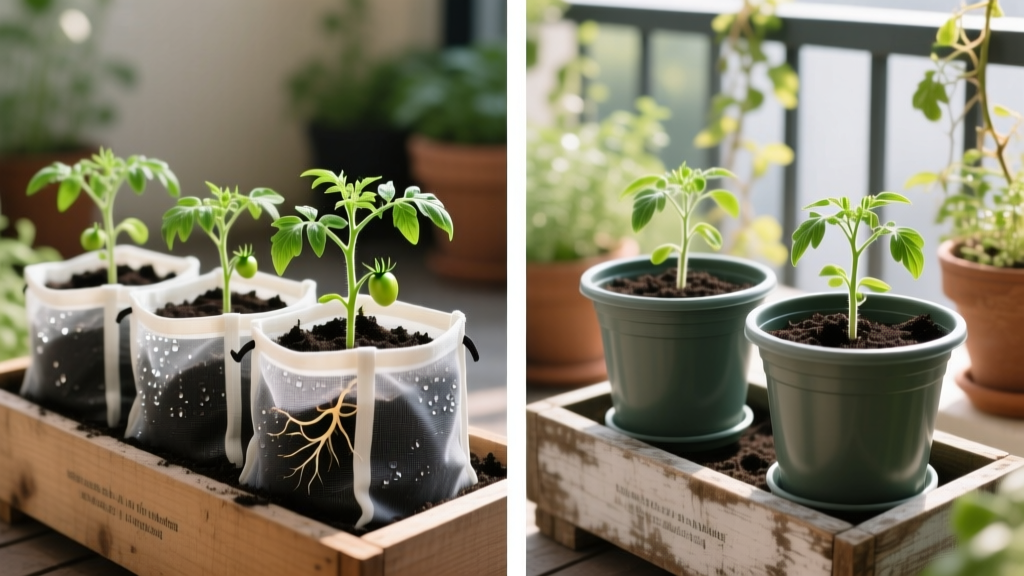
Fabric Grow Bags vs. Plastic Pots for Container Gardening
Sarah ChenPublished
The Rise of Container Gardening
Container gardening has revolutionized how we grow food and ornamental plants in urban spaces, patios, and balconies. Whether you are dealing with poor native soil, limited square footage, or simply want the flexibility to move your plants to follow the sun, containers offer an incredible solution. However, the success of your container garden hinges heavily on one critical decision: the type of vessel you choose to house your plants. The two most popular options on the market today are fabric grow bags and traditional rigid plastic pots. Both have passionate advocates, but they perform very differently when it comes to root health, moisture retention, and temperature regulation.
Understanding the Contenders
Fabric Grow Bags
Fabric grow bags, often made from breathable geotextile materials, recycled plastic felt, or natural burlap, have surged in popularity over the last decade. Originally popularized by commercial nurseries for growing trees and shrubs, these flexible, soft-sided containers are now a staple for home vegetable gardeners. They are lightweight, foldable, and designed to interact with the surrounding air to promote a unique root development process.
Rigid Plastic Pots
Plastic pots, ranging from cheap, thin-walled nursery containers to thick, UV-treated resin planters, are the traditional standard for container gardening. They are rigid, hold their shape regardless of soil moisture, and are widely available in every garden center. Plastic pots are non-porous, meaning water and air can only enter and exit through the top of the soil and the drainage holes at the bottom.
Head-to-Head Comparison
1. Root Health and Air Pruning
The most significant advantage of fabric grow bags is a biological process known as 'air pruning.' When a plant's growing root tip reaches the edge of a plastic pot, it has nowhere to go. It hits the smooth wall and begins to circle the container, eventually leading to a 'root-bound' plant. Circling roots can strangle the plant, restrict nutrient uptake, and severely limit yields. According to growing guides from The Old Farmer's Almanac, preventing root-bound conditions is essential for maximizing the harvest of heavy feeders like tomatoes and peppers.
In a fabric grow bag, when the root tip reaches the edge, it is exposed to the outside air. This exposure naturally prunes the tip, signaling the plant to push out lateral, fibrous roots behind the cut. This results in a dense, highly branched root mass that is vastly superior at absorbing water and nutrients.
2. Moisture Retention and Drainage
Plastic pots are non-porous. While they feature drainage holes at the base, the sides hold moisture inside the soil profile. This makes plastic pots excellent for retaining water, which can be a blessing in hot, dry climates or for gardeners who occasionally forget to water. However, this lack of breathability also increases the risk of overwatering and root rot, especially in cooler, wetter spring weather.
Fabric grow bags are highly permeable. Water drains freely through the bottom and the sides, making it nearly impossible to overwater a plant in a fabric bag. The downside? You will need to water much more frequently. In the heat of mid-summer, a 5-gallon fabric bag filled with tomatoes may require watering twice a day, whereas a plastic pot of the same size might only need water once daily.
3. Temperature Regulation
As noted by experts at Better Homes & Gardens, dark plastic pots can absorb and trap significant amounts of solar heat. On a 95°F summer day, the soil inside a black plastic nursery pot can easily exceed 110°F, effectively cooking the plant's roots and stunting growth. Plastic acts as an insulator, trapping heat inside the soil profile.
Fabric bags, on the other hand, breathe. The porous material allows excess heat to dissipate from the sides of the bag, keeping the root zone significantly cooler. This temperature regulation is vital for the long-term health and productivity of heat-sensitive crops during the peak of summer.
4. Durability, Storage, and Longevity
When it comes to sheer physical durability, high-quality rigid plastic pots win. A thick resin or injection-molded plastic pot can last for 5 to 10 years or more, surviving freezes, thaws, and physical impacts. Fabric bags typically last 2 to 4 seasons before the UV rays from the sun degrade the fibers, causing them to tear when moved.
However, fabric bags win the storage war. At the end of the season, you can empty them, wash them, and fold them completely flat, slipping them into a drawer or onto a small shelf. Rigid plastic pots take up the exact same amount of space empty as they do full, which can be a major headache for gardeners with limited winter storage.
Feature Comparison Chart
| Feature | Fabric Grow Bags | Rigid Plastic Pots |
|---|---|---|
| Root Pruning | Excellent (Air pruning) | Poor (Circling roots) |
| Drainage | Superior (Drains from all sides) | Moderate (Drains from bottom only) |
| Moisture Retention | Low (Dries out quickly) | High (Holds water well) |
| Temperature Control | Excellent (Dissipates heat) | Poor (Traps heat) |
| Durability | 2-4 Seasons | 5-10+ Seasons |
| Winter Storage | Folds completely flat | Requires full volumetric space |
| Average Cost (5-Gallon) | $2.00 - $5.00 | $3.00 - $15.00 |
Tailoring Your Soil Mix to the Container
Because these two containers handle water so differently, you should ideally use slightly different potting mixes for each. Never use topsoil or garden dirt in either container, as it will compact and suffocate roots in a confined space.
- For Fabric Grow Bags: Because they dry out rapidly, your soil mix needs to prioritize moisture retention. Use a blend of 40% high-quality potting soil, 30% coco coir (which holds water brilliantly while remaining light), 20% compost, and 10% perlite.
- For Plastic Pots: Because they trap moisture, your soil mix needs to prioritize drainage to prevent root rot. Use a blend of 50% standard potting soil, 20% compost, and a hefty 30% perlite or pumice to ensure water flows freely out of the bottom drainage holes.
Which Plants Thrive in Which Container?
Not all vegetables have the same requirements. Matching the plant to the container type can significantly boost your yields.
Best for Fabric Grow Bags
- Tomatoes and Peppers: These heavy feeders benefit immensely from the dense, fibrous root systems created by air pruning. The superior drainage also prevents the fungal diseases associated with soggy soil.
- Potatoes: Growing potatoes in fabric bags is a game-changer. The breathable sides prevent the tubers from rotting, and you can easily 'hill' them by adding more soil as they grow. Harvesting is as simple as dumping the bag out.
- Root Vegetables (Carrots, Radishes): The loose, well-aerated environment of a fabric bag prevents soil compaction, allowing root crops to grow straight and deep without hitting a hard plastic barrier.
Best for Rigid Plastic Pots
- Leafy Greens (Lettuce, Spinach, Swiss Chard): These shallow-rooted crops dry out incredibly fast. The moisture-retaining walls of a plastic pot will keep your salad greens crisp and prevent them from bolting prematurely in the heat.
- Herbs (Basil, Cilantro, Parsley): Most culinary herbs prefer consistent moisture and do not require deep root zones. Plastic pots keep the soil evenly moist, reducing the daily maintenance required.
- Thirsty Annual Flowers (Petunias, Impatiens): If you are mixing vegetables with ornamentals, plastic pots will save you hours of watering time during July and August.
Final Verdict: Which Should You Choose?
There is no single 'best' container; the right choice depends entirely on your gardening style, climate, and the specific crops you want to grow. If you are growing large, deep-rooted fruiting crops like tomatoes, eggplants, and peppers, and you don't mind watering daily, fabric grow bags are the superior choice. The air pruning and temperature regulation will result in noticeably healthier plants and larger harvests.
However, if you are growing shallow-rooted greens, live in a very hot and arid climate where water conservation is key, or want a low-maintenance garden that forgives a missed watering day, rigid plastic pots are the way to go. For the ultimate container garden, consider utilizing a hybrid approach: use fabric bags for your large, deep-rooted vegetables, and fill in the gaps on your patio with plastic pots filled with moisture-loving herbs and leafy greens.
