Lawn Care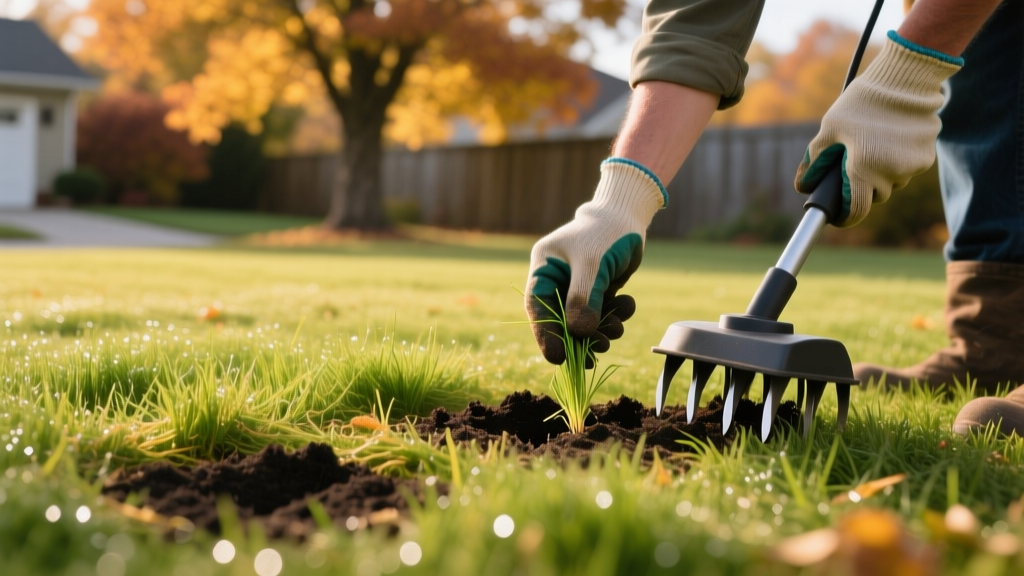
Fall Core Aeration and Overseeding: A Step-by-Step Guide
Sarah ChenPublished
The Synergy of Core Aeration and Overseeding
As summer heat subsides and soil temperatures begin to drop, cool-season grasses like Tall Fescue, Kentucky Bluegrass, and Perennial Ryegrass enter their peak growing season. For homeowners looking to repair summer damage, thicken their turf, and crowd out weeds, combining core aeration with overseeding is the single most effective cultural practice you can perform. According to the University of Minnesota Extension, core aeration alleviates soil compaction, reduces thatch buildup, and creates vital micro-environments that allow water, oxygen, and nutrients to reach the root zone.
When you pair aeration with overseeding, you are not just throwing seed on top of the grass; you are actively planting seed directly into the aeration holes and loosened soil. This guarantees the ultimate requirement for germination: intimate seed-to-soil contact. As noted by turf experts at Fine Gardening, seed that lands on top of thatch or compacted soil will either wash away, dry out, or become a meal for local birds. By utilizing aeration holes as natural seedbeds, you dramatically increase your germination rate and ensure deep, drought-tolerant root development.
Optimal Timing: Reading the Soil
The biggest mistake DIYers make is seeding based on the calendar rather than soil temperature. The ideal window for fall aeration and overseeding is when daytime air temperatures are consistently between 70°F and 80°F, and nighttime temperatures dip into the 50s. More importantly, your soil temperature at a 2-inch depth should be between 50°F and 65°F. In most northern and transition zones, this falls between late August and mid-October. Seeding too early invites heat stress and crabgrass competition; seeding too late risks frost killing young, unestablished seedlings before winter dormancy.
Step-by-Step Execution Guide
Step 1: Preparation and Mowing
Two days before you plan to aerate, water your lawn deeply (about 1 inch of water). The soil must be moist enough for the aerator tines to penetrate 2 to 3 inches deep, but not so muddy that the tines clog. On the day of the job, mow your lawn exceptionally short—down to 1.5 or 2 inches—and bag the clippings. This removes physical barriers, allowing the seed to reach the soil surface. Finally, use bright landscaping flags to mark all shallow sprinkler heads, valve boxes, and hidden cable lines to prevent costly damage.
Step 2: Core Aeration
Rent a walk-behind drum aerator or a stand-on core aerator from a local equipment rental yard. Avoid spike aerators, as they merely poke holes and can actually increase compaction along the hole walls. Run the core aerator over the entire lawn in one direction, and then make a second pass perpendicular to the first (a crisscross pattern). Your goal is to pull 20 to 40 plugs per square foot. Leave the extracted soil cores on the lawn; they contain valuable microorganisms and will break down naturally with rain and mowing over the next two weeks.
Step 3: Overseeding the Lawn
Use a high-quality, certified grass seed blend that matches your existing turf and sunlight conditions. Avoid cheap 'contractor blends' that contain high percentages of annual ryegrass or weed seeds. Load a broadcast spreader and apply the seed at the heavy overseeding rate (see table below). To ensure even distribution, split your seed in half. Apply the first half walking North-South, and the second half walking East-West.
Step 4: Breaking Cores and Topdressing
To push the seed deep into the aeration holes, drag a piece of chain-link fence or a specialized lawn mat behind a tractor or ATV across the yard. If you are working a smaller yard, use a stiff push broom or the back of a landscaping rake to aggressively break up the soil cores and work the seed into the holes. Optionally, apply a thin layer (1/4 inch) of screened compost or peat moss as a topdressing to retain moisture and protect the seed from UV rays.
Seed Selection and Application Rates
Choosing the right seed and applying it at the correct rate is critical. Over-applying seed leads to overcrowding, weak root systems, and fungal diseases like damping-off. Under-applying leaves bare spots vulnerable to broadleaf weeds.
| Grass Type | Overseeding Rate (per 1,000 sq ft) | Germination Time | Best Use Case |
|---|---|---|---|
| Tall Fescue | 6 - 8 lbs | 7 - 14 Days | High traffic, heat/drought tolerance, transition zones. |
| Kentucky Bluegrass | 2 - 3 lbs | 14 - 30 Days | Full sun, lush appearance, rhizomatous spreading to fill gaps. |
| Perennial Ryegrass | 5 - 7 lbs | 5 - 10 Days | Fast erosion control, quick color, often mixed with KBG. |
| Fine Fescue | 4 - 5 lbs | 7 - 14 Days | Shady areas, low maintenance, poor traffic tolerance. |
Fertilization and Weed Control Considerations
New grass seed requires immediate access to phosphorus for rapid root development. Apply a high-quality starter fertilizer (such as an N-P-K ratio of 18-24-6 or 10-18-10) on the same day you seed. However, be aware of local regulations; some municipalities restrict phosphorus applications unless a soil test proves a deficiency or you are actively establishing new seed. When selecting fertilizers and soil amendments, always consult local guidelines to protect waterways, as advised by the Environmental Protection Agency (EPA).
Crucial Weed Control Warning: Standard pre-emergent herbicides (like prodiamine or dithiopyr) will prevent your grass seed from germinating. If you have a severe weed problem and must treat the lawn during seeding, use a selective herbicide containing Mesotrione (commonly sold under the brand name Tenacity). Mesotrione is safe to use at the time of seeding for Tall Fescue and Kentucky Bluegrass and will bleach emerging weeds without harming the new grass.
Post-Overseeding Irrigation Protocols
Watering is where most overseeding projects succeed or fail. For the first 14 to 21 days, the top inch of soil must remain consistently moist. This requires light, frequent watering rather than deep soakings.
- Weeks 1-2: Water 2 to 3 times per day for 10-15 minutes per zone. Adjust based on sun exposure and wind.
- Weeks 3-4: As seedlings reach 1 inch tall, reduce frequency to once daily, but increase the duration to 20-30 minutes to encourage deeper root growth.
- Week 5 and Beyond: Transition back to your standard deep and infrequent watering schedule (approx. 1 to 1.5 inches of water per week).
Do not mow the lawn until the new seedlings have reached at least 3.5 inches in height. When you do mow, ensure your mower blade is razor-sharp to prevent tearing the delicate new grass from the soil. Set your deck to 2.5 or 3 inches and never remove more than one-third of the grass blade in a single pass.
Cost Analysis: DIY vs. Professional
Determining whether to rent equipment or hire a professional depends on your lawn size, physical capability, and budget. Below is a cost comparison for an average 5,000 square foot lawn.
| Expense Category | DIY Approach (Estimated Cost) | Professional Service (Estimated Cost) |
|---|---|---|
| Core Aeration Equipment | $85 - $120 (Daily Rental)Included in Service | |
| Premium Grass Seed (50 lbs) | $150 - $220Included in Service | |
| Starter Fertilizer | $40 - $60Included in Service | |
| Labor / Time | 6 - 8 Hours of Heavy Labor1 - 2 Hours (Crew of 2) | |
| Total Estimated Cost | $275 - $400 | $450 - $750 |
While the DIY route saves money upfront, it requires transporting heavy machinery, manual labor, and precise calibration of spreaders. Professional landscaping companies bring commercial-grade stand-on aerators that pull deeper, wider cores and can complete the job in a fraction of the time, often including a guarantee on seed germination.
Final Thoughts
Core aeration and overseeding represent a significant investment of time and money, but the dividends paid in the form of a thick, resilient, and weed-free lawn are unmatched. By strictly adhering to proper soil temperatures, maximizing seed-to-soil contact, and maintaining rigorous watering schedules, you will transform a tired, thin lawn into a lush, vibrant landscape ready to thrive for years to come.