Pest Control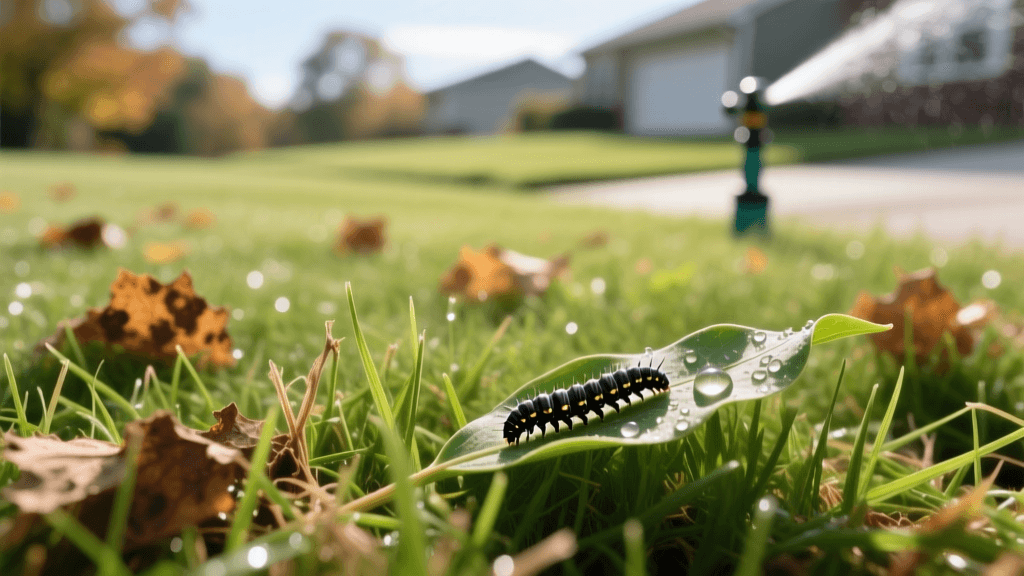
Expert Guide to Fall Armyworm Control and Lawn Recovery
The Fall Armyworm Menace: A Turfgrass Emergency
The fall armyworm (Spodoptera frugiperda) is one of the most devastating pests to turfgrass, capable of transforming a lush, green lawn into a scorched-earth wasteland in a matter of days. Unlike typical lawn grubs that feed silently on roots beneath the soil, armyworms are voracious foliar feeders that march across the surface in massive numbers, consuming grass blades down to the thatch layer. For lawn care professionals and dedicated homeowners, understanding the behavior, life cycle, and eradication protocols of this pest is critical to saving your landscape.
This comprehensive guide provides expert-level insights, actionable treatment plans, and recovery strategies rooted in Integrated Pest Management (IPM) principles. Whether you are dealing with a fresh invasion or looking to fortify your lawn against future outbreaks, these best practices will ensure your turf survives and thrives.
Understanding the Armyworm Life Cycle
To effectively combat fall armyworms, you must understand their biology. The life cycle consists of four stages: egg, larva, pupa, and adult moth. The damage to your lawn is caused exclusively by the larval stage, which passes through six distinct growth phases known as instars.
Here is the crucial expert insight: armyworms do 80% of their total feeding during their final two instars (the last 3 to 4 days of their larval stage). By the time a homeowner notices severe browning, the larvae are often nearing pupation, meaning the damage is already done and the pests are preparing to burrow into the soil. This biological quirk makes early detection the single most important factor in armyworm management.
Expert Identification: The Soap Flush Technique
Visual inspection alone is rarely sufficient for early detection. Armyworms are nocturnal feeders, often hiding in the thatch and soil during the heat of the day. Furthermore, early-stage larvae cause "windowpane" feeding damage—scraping only the top layer of the grass blade—which is easily mistaken for drought stress or minor fungal issues.
How to Perform a Soap Flush Test
The soap flush is an industry-standard diagnostic tool used by turfgrass managers to force hidden larvae to the surface.
- Mix the Solution: Combine 2 tablespoons of liquid dish soap (lemon-scented works exceptionally well due to the d-limonene content) with 1 gallon of water.
- Apply to the Lawn: Pour the mixture evenly over a 1-square-yard area of turf, focusing on the margins where green grass meets brown, damaged grass.
- Observe and Count: Wait 3 to 5 minutes. The soap irritates the larvae's respiratory system, forcing them to the surface. Count the number of armyworms that emerge.
"The economic threshold for treating fall armyworms in turfgrass is three or more larvae per square foot. Treatment is most effective when larvae are small, less than one-half inch long, and before they reach their voracious final instars."
— Texas A&M AgriLife Extension, Entomology Department
Identifying Features of the Fall Armyworm
Once flushed out, look for the definitive markings of Spodoptera frugiperda:
- The Inverted Y: A distinct, pale, inverted Y-shape on the front of the dark head capsule.
- Four Dots: Four raised, dark spots forming a square on the top of the 8th abdominal segment (near the tail end).
- Striping: Alternating dark and light longitudinal stripes running down the length of the body.
Choosing the Right Treatment: Chemical vs. Organic
When the threshold of 3 larvae per square foot is met, immediate intervention is required. The choice between organic and synthetic chemical controls depends on the size of the larvae, the scale of the infestation, and your environmental preferences.
Comparative Analysis of Armyworm Insecticides
| Active Ingredient | Common Brand Names | Target Larval Stage | Est. Cost per 1,000 Sq. Ft. | Residual Control |
|---|---|---|---|---|
| Bacillus thuringiensis (Bt) | Thuricide, Dipel | Small (Instars 1-3 only) | $5.00 - $7.00 | None (Must be ingested) |
| Bifenthrin | Talstar P, Bifen IT | Small to Medium | $1.50 - $3.00 | 21 - 30 Days |
| Carbaryl | Sevin SL, Sevin Dust | All Stages | $3.00 - $5.00 | 7 - 14 Days |
| Chlorantraniliprole | Acelepryn, Scotts GrubEx | All Stages (Preventative/Curative) | $6.00 - $9.00 | 60 - 90 Days |
| Spinosad | Conserve SC, Captain Jack's | Small to Medium | $4.00 - $6.00 | 7 - 14 Days |
Expert Recommendation: For active, visible outbreaks with mixed larval sizes, a fast-acting pyrethroid like Bifenthrin or a carbamate like Carbaryl provides the necessary "knockdown" power to stop immediate feeding. For organic lawn care programs, Bt (Bacillus thuringiensis) is highly effective but only if applied when larvae are less than 1/2 inch long. For long-term prevention, Chlorantraniliprole applied in early summer provides exceptional, pollinator-safe residual control.
The Golden Rules of Application
Even the best insecticide will fail if applied incorrectly. Follow these best practices to maximize efficacy and protect the environment:
- Mow Before Treating: Mow your lawn slightly lower than usual and bag the clippings. This removes the top layer of foliage, allowing the insecticide to reach the thatch layer and soil surface where the worms hide.
- Time it Right: Armyworms are most active during the cooler parts of the day. Apply liquid or granular treatments in the late afternoon or early evening. This ensures the product is on the foliage when the larvae emerge to feed at night, and it prevents rapid UV degradation of the active ingredient.
- Watering Protocols: If using a liquid contact insecticide (like Bifenthrin), do not water the lawn for at least 24 hours after application; you want the residue to remain on the grass blades. If using a granular product or a soil-targeted treatment, water the lawn with 1/4 inch of irrigation immediately after application to activate the granules and move the chemical into the thatch.
- Use Surfactants: When mixing liquid concentrates, add a non-ionic surfactant (sticker-spreader). Armyworms feed on grass blades that have a natural waxy cuticle; a surfactant breaks the surface tension, ensuring the chemical coats the leaf evenly rather than beading up and rolling off.
Common Mistakes Homeowners Make
- Treating Too Late: Waiting until the lawn is entirely brown. If the larvae are larger than 1.5 inches, they have already stopped feeding and are preparing to pupate. Spraying at this stage is a waste of chemicals and money.
- Ignoring the Perimeter: Armyworms literally "march" into lawns from adjacent fields, pastures, or unmanaged neighbors. Always create a 10-foot barrier treatment around the perimeter of your property.
- Overlooking the Thatch: Heavy thatch layers act as a sponge, tying up insecticides before they reach the pests. Regular dethatching and core aeration are vital components of pest prevention.
Post-Infestation Lawn Recovery Protocol
If the armyworms have stripped your lawn to the stems, do not panic. Warm-season grasses like Bermuda, Zoysia, and Centipede have extensive rhizome and stolon networks and can recover rapidly if the crown of the plant is intact. Cool-season grasses like Fescue or Kentucky Bluegrass may require overseeding if the crown is destroyed.
Step-by-Step Recovery Plan
- Verify Eradication: Perform a secondary soap flush test 48 hours after treatment to ensure the population is eliminated.
- Flush the Soil: Water the lawn deeply (1 inch of water) to help wash any residual chemical residues into the soil and rehydrate the stressed root systems.
- Apply a Recovery Fertilizer: Avoid high-nitrogen synthetic fertilizers immediately after an attack, as this can burn stressed roots. Instead, apply a liquid kelp or seaweed extract combined with a gentle, slow-release organic fertilizer (such as a 4-2-4 NPK ratio). This provides essential micronutrients and biostimulants to encourage cellular repair.
- Overseed Bare Patches: For cool-season lawns, rake out the dead debris, loosen the top 1/4 inch of soil, and apply a premium turf-type tall fescue seed blend at a rate of 6 to 8 lbs per 1,000 square feet. Keep the seed consistently moist until germination.
Long-Term IPM and Prevention Strategies
Integrated Pest Management (IPM) relies on creating an ecosystem that naturally suppresses pest populations. While chemical treatments are necessary during an outbreak, biological controls form the backbone of long-term prevention.
Encouraging Beneficial Predators
Nature has its own army to fight the armyworm. Parasitic wasps (such as Trichogramma species) lay their eggs inside armyworm eggs, destroying them before they hatch. Ground beetles, spiders, and insectivorous birds (like starlings and grackles) consume massive quantities of larvae. Avoid using broad-spectrum insecticides preventatively, as these will wipe out your beneficial insect populations, leaving your lawn highly vulnerable to future outbreaks.
Beneficial Nematodes
Applying beneficial nematodes (Steinernema carpocapsae) to your lawn in the late summer can significantly reduce the number of armyworm pupae in the soil. These microscopic worms actively hunt and infect soil-dwelling pests. Apply them via a hose-end sprayer in the early evening when soil temperatures are between 60°F and 85°F, and water them in immediately to protect them from UV light.
Conclusion
Fall armyworms are a formidable threat, but they are entirely manageable with vigilance, proper identification, and targeted treatments. By utilizing the soap flush technique to catch infestations early, selecting the appropriate insecticide based on larval size, and following strict application protocols, you can halt an invasion in its tracks. Combine these reactive strategies with a proactive IPM approach, and your lawn will remain resilient, healthy, and green for seasons to come.