Pest Control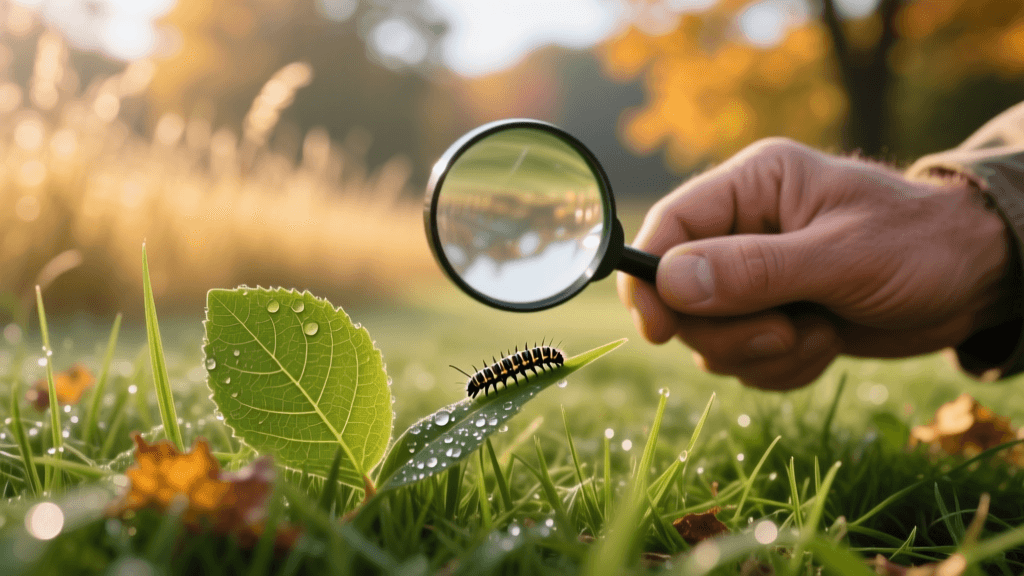
Expert Fall Armyworm Control: Best Timing & Treatments
The Fall Armyworm Threat: Why Timing is Everything
The fall armyworm (Spodoptera frugiperda) is one of the most destructive turfgrass pests in North America, particularly in the Southeast and Mid-Atlantic regions. Unlike true armyworms that primarily attack in the spring, fall armyworms migrate northward from the Gulf Coast during late summer and early fall, descending upon lawns, golf courses, and agricultural fields in massive, voracious waves. For homeowners and turf managers, an outbreak can turn a lush, green lawn into a scorched, brown wasteland in a matter of days.
As an expert in integrated pest management (IPM), I cannot stress this enough: timing is the single most critical factor in fall armyworm control. Treating an infestation too late is not only a waste of money and chemicals, but it also guarantees severe turf loss. This guide provides actionable, expert-level strategies for identifying, timing, and treating fall armyworms using both organic and conventional methods.
Identifying Fall Armyworm Damage Early
Early detection is your best defense. Fall armyworms do not eat grass blades entirely at first; instead, they chew along the edges or scrape the green tissue off the top, leaving behind a translucent, skeletal membrane. This is known as 'windowpaning.' If you see grass blades that look frosted or skeletonized, you likely have an early-stage infestation.
As the larvae grow, they consume entire blades, leaving behind ragged, chewed stems and circular brown patches that mimic drought stress or disease. Another key indicator is the presence of 'frass'—caterpillar droppings that look like tiny, green or brown pellets scattered across the soil surface and thatch layer. You may also spot flocks of birds, particularly starlings and grackles, aggressively pecking at your lawn. While birds eat some pests, their presence is often a symptom of a massive armyworm outbreak rather than an effective biological control.
The Soap Flush Test: An Expert Diagnostic Tool
Because armyworms hide in the thatch and soil during the heat of the day, visual inspection of the grass is rarely enough. Turf professionals rely on the soap flush test to confirm an infestation and gauge population density.
- Step 1: Mix 1 to 2 tablespoons of lemon-scented liquid dish soap into 1 gallon of water.
- Step 2: Select a 1-square-yard area at the edge of a damaged patch (where healthy and brown grass meet).
- Step 3: Pour the soapy solution evenly over the area. The soap irritates the caterpillars' skin, forcing them to the surface within 2 to 5 minutes.
- Step 4: Count the larvae. If you see 3 to 5 or more armyworms per square yard, treatment is economically and aesthetically justified.
The Critical Window: Expert Timing for Treatment
The fall armyworm life cycle consists of four stages: egg, larva, pupa, and adult moth. The larval stage is the only phase that damages turf, lasting roughly 14 to 21 days depending on temperature. Larvae go through six growth phases, known as 'instars.'
According to entomologists at the University of Georgia Extension, fall armyworms consume approximately 80% of their total food volume during the last two instars (the final 3 to 4 days of their larval stage). If you wait until the grass is visibly brown and the caterpillars are large (over 1 inch long), they have already done the vast majority of their damage, and they are significantly more resistant to insecticides. The expert rule of thumb is to treat when the majority of larvae are small (less than 1/2 inch long) and actively feeding during the early instars.
Expert Treatment Comparison: Organic vs. Chemical Controls
Choosing the right product depends on the size of the larvae, your environmental concerns, and your budget. Below is a comprehensive comparison of the most effective active ingredients used by turf professionals and advanced homeowners.
| Active Ingredient | Product Example | Type | Target Larvae Size | Approx. Cost / 1k sq ft |
|---|---|---|---|---|
| Bacillus thuringiensis (Bt) | Thuricide, Dipel | Organic / Biological | Small (1st-2nd Instar) | $4.00 - $6.00 |
| Spinosad | Captain Jack's Deadbug | Organic / Naturalyte | Small to Medium | $7.00 - $9.00 |
| Bifenthrin | Talstar P, Bifen IT | Chemical / Pyrethroid | All Sizes (Fast Knockdown) | $1.50 - $2.50 |
| Chlorantraniliprole | Acelepryn, Scotts GrubEx | Chemical / Anthranilic | Preventative & Early Curative | $10.00 - $14.00 |
| Cyfluthrin + Imidacloprid | Temprid FX | Chemical / Combination | All Sizes (Broad Spectrum) | $5.00 - $7.00 |
Deep Dive: Active Ingredients Explained
Bt (Bacillus thuringiensis var. kurstaki): This is a naturally occurring soil bacterium that produces proteins toxic to caterpillars. It is completely safe for pollinators, pets, and humans. However, Bt must be ingested by the caterpillar and is only effective on very small, early-instar larvae. It breaks down rapidly in sunlight, requiring reapplication every 5 to 7 days.
Spinosad: Derived from a soil-dwelling bacterium, Spinosad is an excellent organic option that offers slightly better knockdown power than Bt and can handle medium-sized larvae. It has a residual effect of about 7 to 10 days. Note that Spinosad is highly toxic to bees when wet, so it must be applied in the late evening after foraging hours.
Bifenthrin: A synthetic pyrethroid that provides rapid, aggressive knockdown of all armyworm life stages. It is the most cost-effective curative treatment for severe outbreaks. However, it is highly toxic to aquatic life and beneficial insects. Never apply bifenthrin near storm drains, ponds, or blooming weeds.
Chlorantraniliprole: The gold standard for preventative IPM. Products containing this active ingredient (like Acelepryn) are applied in late spring or early summer to target young larvae as they hatch. It has an exceptionally long soil residual (up to 4 months) and is highly selective, meaning it kills caterpillars but is remarkably safe for bees, earthworms, and other beneficial organisms.
Step-by-Step Application Best Practices
To maximize the efficacy of your chosen treatment, follow these professional application protocols:
- Mow Before Treating: Mow your lawn immediately before application. This removes excess leaf tissue, allowing the insecticide to penetrate deeper into the thatch layer where the armyworms hide.
- Liquid vs. Granular: Liquid sprays generally offer faster knockdown because they coat the grass blades where caterpillars feed. If using granules, you must water them in immediately with 1/4 inch of irrigation to activate the product and push it into the thatch.
- Time of Day: Fall armyworms are primarily nocturnal feeders, hiding in the soil during the heat of the day. Apply liquid treatments in the late afternoon or early evening. This ensures the product is on the grass blades when the caterpillars emerge to feed at night, maximizing ingestion and contact.
- Watering Post-Application: If you apply a liquid contact insecticide like Bifenthrin or Bt, do not water the lawn for at least 24 hours. Washing it off the grass blades will render the treatment useless. Conversely, systemic or soil-targeted granules require immediate watering.
Post-Treatment Lawn Recovery and IPM
If an outbreak caught you off guard and your lawn has been severely defoliated, do not panic. The crown and root system of the grass are usually still alive. Once the pests are eradicated, focus on recovery:
- Fertilization: Apply a balanced, quick-release nitrogen fertilizer (such as a 20-0-10 blend) at a rate of 1 lb of nitrogen per 1,000 square feet to stimulate rapid leaf regrowth.
- Irrigation: Provide 1 to 1.5 inches of water per week, split into two deep waterings, to support the stressed root system.
- Overseeding: If the turf was killed down to the dirt in patches, lightly rake the area, apply topsoil, and overseed with your region's appropriate grass seed (e.g., Tall Fescue or Bermudagrass) to prevent weed invasion.
Authoritative Citations and Further Reading
The strategies and biological data outlined in this guide are grounded in peer-reviewed turfgrass science and university extension research:
- University of Georgia Extension: 'Fall Armyworms Can Cause Severe Damage to Lawns' (Publication B 1335). This source provides the foundational data on the 80% feeding rule during late larval instars and the economic thresholds for turf treatment.
- North Carolina State University Extension: 'Fall Armyworm in Turf' (Entomology Insect Note No. 129). This resource outlines the soap flush diagnostic methodology and the efficacy of anthranilic diamides (Chlorantraniliprole) as a preventative IPM tool.
- Clemson University Cooperative Extension: 'Armyworms in Turfgrass' (Fact Sheet HGIC 2156). Offers regional timing maps for moth migration and specific guidelines on pollinator-safe application windows.
By combining early scouting via the soap flush test, precise timing based on larval size, and the judicious use of targeted active ingredients, you can effectively neutralize fall armyworms and protect your landscape investment.