Pest Control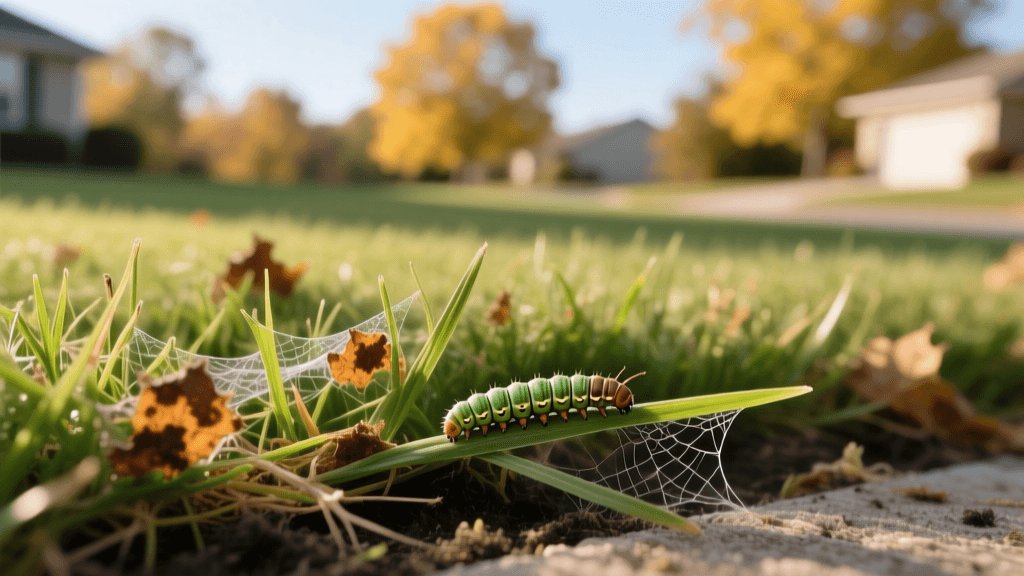
Fall Armyworm Lawn Control: Expert Tips and Treatments
Fall armyworms (Spodoptera frugiperda) are notorious for their ability to decimate entire lawns in a matter of days. Unlike typical turf pests that slowly thin out grass, armyworms act like a biological bulldozer, marching across lawns and consuming every blade of turfgrass in their path. For lawn care professionals and dedicated homeowners, understanding the behavioral patterns, life cycle, and precise treatment protocols for these pests is non-negotiable. In this comprehensive expert guide, we break down the best practices for identifying, treating, and recovering from fall armyworm invasions, ensuring your turf survives and thrives.
Identifying Fall Armyworms and Early Turf Damage
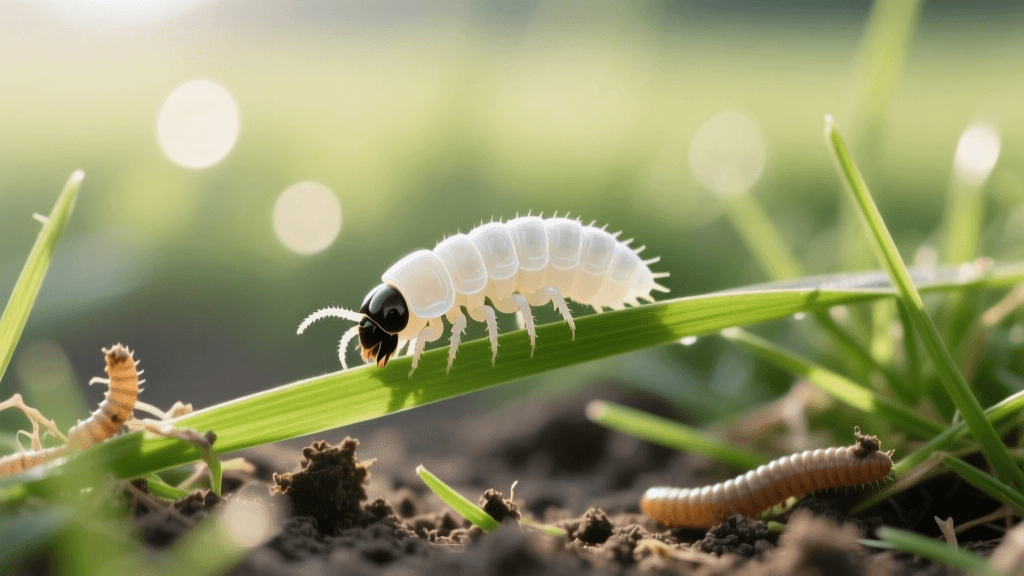
The key to minimizing turf loss is early detection. Fall armyworms do not start out as the large, voracious caterpillars that cause the most damage. They begin as tiny larvae that feed on the underside of grass blades, causing a phenomenon known as 'windowpaning.' This occurs when the caterpillar eats the green tissue but leaves the clear upper epidermis intact, giving the grass a frosted or skeletonized appearance. As they mature into their later instars (stages of growth), they consume entire leaves, leaving behind jagged edges and massive brown patches that mimic drought stress or fertilizer burn.
Be sure to inspect the borders of the damaged areas, as armyworms typically march outward from a central hatching point, leaving dead grass behind and feeding on the green perimeter.
The Soap Flush Test: An Expert Diagnostic Tool
Because armyworms hide in the thatch layer and soil during the heat of the day, visual inspection of the grass blades is often insufficient. Turfgrass entomologists recommend the 'soap flush' technique to confirm an active infestation before applying expensive chemical controls.
- Mix 2 to 3 tablespoons of lemon-scented liquid dish soap into 1 gallon of water.
- Pour the solution evenly over a 1-square-yard area of suspected turf damage.
- Wait 3 to 5 minutes. The soap irritates the caterpillars' skin, forcing them to the surface.
- Count the number of armyworms that emerge. If you see more than 3 to 5 larvae per square yard, curative treatment is immediately required.
The Critical Window: Timing Your Application
Timing is the single most critical factor in armyworm management. Fall armyworms do not overwinter in the northern United States; they migrate northward from the Gulf Coast and southern states during the late summer and early fall, riding storm fronts and weather systems. When the moths arrive, they lay clusters of 100 to 200 eggs on the tips of grass blades or nearby structures.
These eggs hatch in just 2 to 3 days. The resulting first and second-instar larvae are incredibly small and difficult to spot, but they are also the most vulnerable to insecticides. By the time they reach the fourth, fifth, and sixth instars, their exoskeletons thicken, and their consumption rates skyrocket. In fact, the final two instars are responsible for approximately 80% of the total foliage destruction. Expert applicators monitor local moth flight traps and treat lawns 10 to 14 days after a major moth flight is detected, targeting the young larvae before they can cause catastrophic damage.
Top Insecticides for Armyworm Eradication
Selecting the right active ingredient depends on the severity of the infestation, environmental considerations, and your specific turfgrass type. Below is a comparison chart of the most effective active ingredients used by lawn care professionals for curative armyworm control.
| Active Ingredient | Product Example | Mode of Action | Est. Cost / 1,000 sq ft |
|---|---|---|---|
| Bifenthrin | Talstar P | Contact / Fast Knockdown | $0.04 - $0.06 |
| Lambda-cyhalothrin | Scimitar GC | Contact / Residual | $0.07 - $0.09 |
| Chlorantraniliprole | Acelepryn | Ingestion / Systemic | $0.15 - $0.20 |
| Bacillus thuringiensis (Btk) | Thuricide | Biological Ingestion | $0.10 - $0.12 |
Bifenthrin and Lambda-cyhalothrin are pyrethroids that offer rapid knockdown, making them ideal for heavy, active infestations where immediate cessation of feeding is required. Chlorantraniliprole is an anthranilic diamide that provides excellent systemic control and longer residual activity, making it safer for beneficial insects and pollinators. Btk is a naturally occurring soil bacterium that specifically targets caterpillars, making it the premier choice for organic lawn care programs, though it must be ingested by early-instar larvae to be effective.
Step-by-Step Application Best Practices
Even the best chemical controls will fail if applied incorrectly. Follow these expert protocols to maximize the efficacy of your armyworm treatment:
- Mow the Lawn: Mow your turfgrass slightly shorter than usual (around 2.5 inches) and bag the clippings. This removes egg masses attached to the tips of the blades and reduces the thatch barrier, allowing the insecticide to penetrate deeper into the canopy.
- Water Lightly Before Spraying: Apply a light irrigation (about 1/8 inch) a few hours before treatment. This encourages the armyworms to move higher up into the turf canopy to feed, increasing their exposure to the spray.
- Spray in the Late Afternoon: Armyworms are nocturnal feeders. They hide in the soil during the day and emerge at dusk. Applying your liquid insecticide in the late afternoon or early evening ensures the product is wet on the foliage exactly when the caterpillars begin their nightly feeding frenzy.
- Use a Fan Nozzle and High Volume: Use a flat fan nozzle on your sprayer to ensure even coverage. Apply the product at a higher water volume (e.g., 2 to 3 gallons per 1,000 square feet) to thoroughly coat the grass blades and penetrate the thatch layer.
- Delay Post-Application Watering: If you are using a contact pyrethroid, do not water the lawn for at least 24 hours. You want the active ingredient to dry on the leaf surface where the caterpillars will crawl through it and absorb the toxin.
Post-Treatment Recovery and Preventative Strategies
Once the armyworms have been eradicated, the focus must shift to turf recovery. Severely damaged lawns will require immediate nutritional support to push new growth before the first frost. Apply a quick-release nitrogen fertilizer, such as urea (46-0-0), at a rate of 0.5 to 1.0 lbs of nitrogen per 1,000 square feet. Follow this with deep, infrequent watering to encourage root recovery and maintain consistent soil moisture.
To prevent future outbreaks, maintain a robust Integrated Pest Management (IPM) program. Keep thatch levels below half an inch, as thick thatch provides an ideal microclimate for egg-laying and larval hiding. Additionally, consider applying a preventative systemic insecticide like Chlorantraniliprole in mid-summer if your region is historically prone to late-summer moth migrations.
Furthermore, encourage natural predators such as ground beetles, spiders, and parasitic wasps by minimizing broad-spectrum insecticide use when armyworms are not present. Birds, particularly starlings and grackles, are also voracious consumers of armyworm pupae and larvae. While bird flocks feeding on your lawn might indicate an active infestation, they also serve as a natural biological control agent.
"Fall armyworms are highly mobile and their populations can explode seemingly overnight. Monitoring moth flights and treating young larvae are the cornerstones of successful management. Relying solely on curative treatments for large, mature caterpillars often results in severe turf loss and increased chemical costs." — Texas A&M AgriLife Extension Service, Department of Entomology.
By combining vigilant scouting, precise application timing, and the strategic use of targeted insecticides, you can defend your lawn against the destructive march of the fall armyworm and maintain a pristine, healthy landscape year-round.