Gardening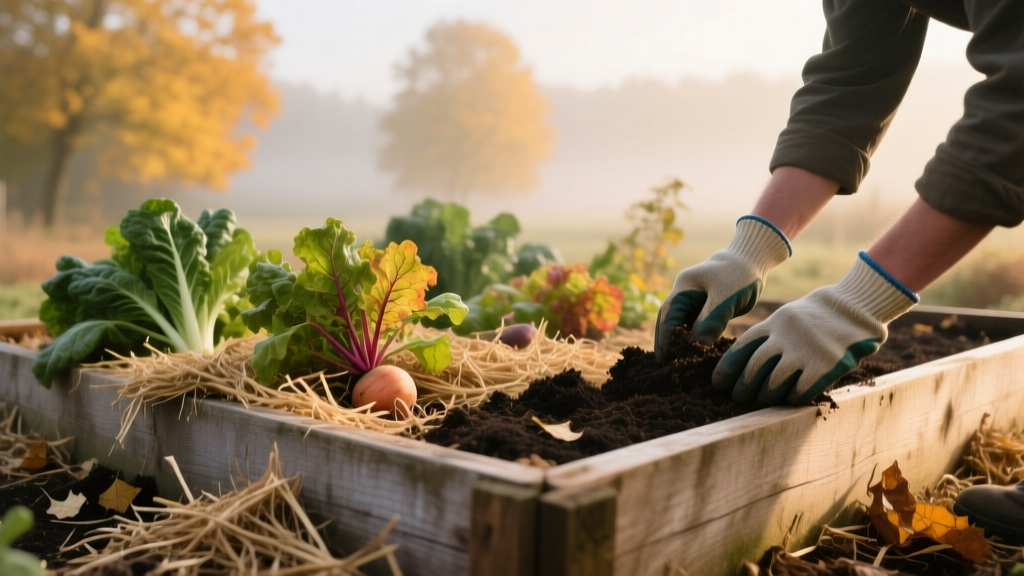
Winterizing Raised Vegetable Beds: Fall Soil Prep Guide
Lisa ThompsonPublished
The Philosophy of Fall Seasonal Maintenance
As the autumn air turns crisp and the final tomatoes are harvested, many gardeners mistakenly believe their work is done until spring. However, from a seasonal maintenance and care perspective, late fall is actually the most critical time for setting the stage for next year's bounty. Winterizing raised vegetable beds is not merely about tidying up; it is a proactive strategy to protect soil structure, replenish depleted nutrients, and suppress early spring weeds. According to the University of Minnesota Extension, proper fall garden cleanup and soil preparation can reduce disease carryover and significantly improve spring planting conditions. This comprehensive guide will walk you through the exact steps, measurements, and products needed to winterize your raised beds effectively.
Step 1: Sanitation and Debris Removal
The first step in seasonal maintenance is thorough sanitation. Remove all spent annual crops, fallen fruit, and decaying foliage. It is vital to distinguish between healthy and diseased plant material. Plants affected by powdery mildew, early blight, or fungal infections must be bagged and sent to the municipal waste facility. Do not compost diseased material, as most home compost bins do not reach the 140°F to 160°F required to kill persistent soil-borne pathogens. For healthy plant matter, chop it into two-inch pieces and add it to your compost pile to accelerate decomposition.
Use a Hori Hori knife or a sturdy garden fork to extract the root systems of stubborn perennial weeds like bindweed, quackgrass, or dandelion. Leaving taproots or rhizomes behind guarantees a vigorous and frustrating resurgence in April. Taking the time to meticulously clear the beds now saves hours of back-breaking weeding when the spring rush begins.
Step 2: Soil Testing and Nutrient Replenishment
Before adding amendments, you must understand your soil's current nutritional profile. Invest in a reliable home testing kit, such as the Luster Leaf Rapitest Soil Test Kit (typically costing around $15 to $20), or send a core sample to your local university cooperative extension for a more comprehensive analysis (usually $15 to $30). Test for pH, nitrogen (N), phosphorus (P), and potassium (K).
Vegetables generally thrive in a pH range of 6.2 to 6.8. If your soil is too acidic, apply pelletized garden lime at a rate of 5 pounds per 100 square feet to raise the pH gradually over the winter. If it is too alkaline, incorporate elemental sulfur. Because lime and sulfur take months to fully react and alter soil chemistry, fall is the absolute best time to apply them.
Step 3: Amending and Rebuilding Organic Matter
Intensive vegetable gardening depletes soil nutrients rapidly. Top-dress your raised beds with a two-inch layer of high-quality organic compost. For a standard 4x8-foot raised bed (32 square feet), you will need approximately 1.5 to 2 cubic feet of compost. Gently incorporate the top inch into the existing soil using a hand cultivator or a broadfork. Be careful not to deeply till, which can disrupt the delicate soil food web and bring dormant weed seeds to the surface.
To provide a slow-release nutrient boost, mix in a granular organic fertilizer like Espoma Organic Garden-tone (approx. $12 for a 4 lb bag) at the manufacturer's recommended rate of 3 pounds per 100 square feet. The winter rains and snowmelt will help break down these organic amendments, making nutrients bioavailable exactly when your spring seedlings need them.
Step 4: The Magic of Cover Crops
Planting a cover crop, often referred to as "green manure," is one of the most effective seasonal maintenance practices for raised beds. Cover crops prevent winter soil erosion, suppress weeds, and, in the case of legumes, fix atmospheric nitrogen into the soil. The Cornell University Cover Crops Guide highlights that winter-hardy cover crops can increase subsequent cash crop yields by improving soil tilth, increasing organic matter, and enhancing water retention.
| Cover Crop | Type | Primary Benefit | Seeding Rate (per 100 sq ft) | Spring Termination Method |
|---|---|---|---|---|
| Winter Rye | Grass | Massive Biomass & Weed Suppression | 2.0 - 3.0 oz | Mow low & tarp for 3 weeks |
| Crimson Clover | Legume | Nitrogen Fixation & Pollinator Forage | 0.5 - 1.0 oz | Flips easily into topsoil |
| Hairy Vetch | Legume | Heavy Nitrogen & Spring Mulch | 1.0 - 2.0 oz | Mow at bloom, leave as mulch |
When terminating cover crops in the spring, it is crucial to cut them down before they go to seed. For grasses like winter rye, the root system is incredibly dense; using a silage tarp to smother the cut crop for three weeks (a method known as occultation) will kill the roots and leave you with a perfect, weed-free seedbed.
Step 5: Mulching Bare Soil
If you opt not to plant a cover crop, leaving bare soil exposed to the elements is a major seasonal maintenance error. Winter rains and snowmelt can severely compact bare soil and leach valuable nutrients into the subsoil. Apply a three to four-inch layer of organic mulch. Seed-free straw (costing about $8 to $12 per bale) or shredded autumn leaves are excellent, cost-effective choices.
Avoid using whole, unshredded leaves, as they can mat together and create an impermeable barrier that blocks water and air exchange. Shred leaves by running a lawnmower over them twice before applying to the beds. Mulch insulates the soil, protecting beneficial earthworms and mycorrhizal fungi from extreme freeze-thaw cycles that can heave plant roots and destroy soil aggregates.
Step 6: Structural and Infrastructure Care
Seasonal maintenance also extends to the physical infrastructure of your garden. Inspect the corner brackets, screws, and stakes of your raised beds. The freeze-thaw cycle and the lateral pressure of wet, freezing soil can cause wooden boards to bow, crack, or split. Tighten any loose hardware and replace rusted screws with exterior-grade stainless steel or coated decking screws.
If your beds are made of untreated cedar or redwood, apply a generous coat of raw linseed oil to the exterior wood to protect it from winter moisture and UV degradation. Avoid synthetic sealants, polyurethane, or pressure-treated wood stains that could potentially leach harmful chemicals into your vegetable soil.
Step 7: Tool Maintenance and Storage
Finally, do not neglect your gardening tools. Clean soil off shovels, trowels, and pruners using a stiff wire brush and a bucket of soapy water. Wipe metal blades with an oiled rag (use food-grade mineral oil or camellia oil) to prevent rust during the humid winter months. Sharpen hoes and spades with a metal file to maintain a clean cutting edge. Sand down wooden handles and rub them with boiled linseed oil to prevent splintering and drying. Properly maintained tools reduce physical strain and make spring soil preparation significantly easier and more efficient.
Conclusion: Setting the Stage for Spring
Winterizing raised vegetable beds requires a few weekends of dedicated effort in the late fall, but the return on investment is immense. By sanitizing the space, testing and amending the soil, utilizing cover crops, and protecting your infrastructure, you transition from reactive spring scrambling to proactive seasonal mastery. As noted by Penn State Extension, gardens that receive proper autumn care consistently exhibit stronger root development, higher disease resistance, and greater overall yields in the following growing season. Embrace the seasonal maintenance cycle, protect your soil ecosystem, and let winter do the heavy lifting for your spring garden.
