Lawn Care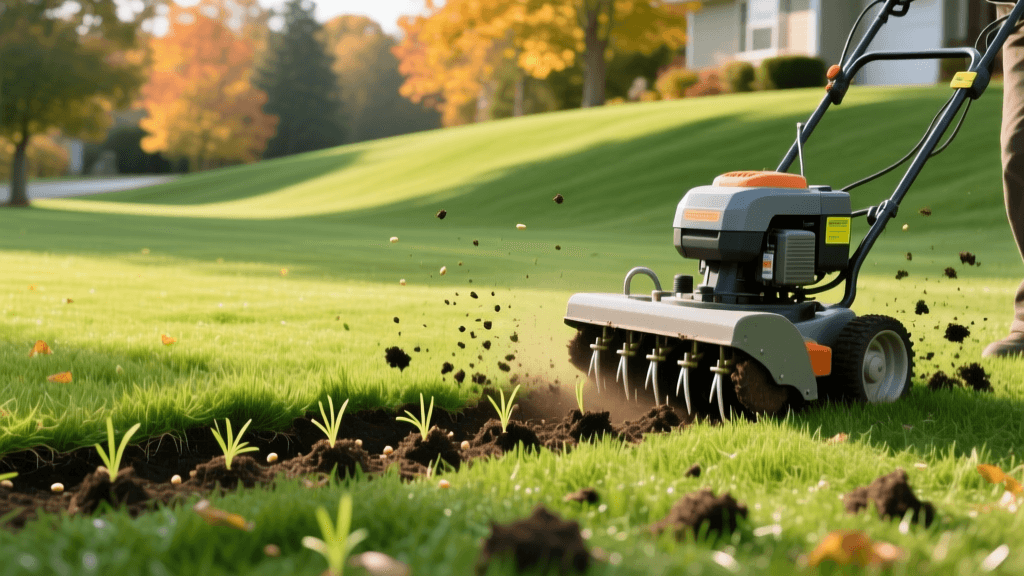
Fall Core Aeration and Overseeding for Cool-Season Lawns
Introduction to Fall Lawn Renovation
Maintaining a pristine, dense, and vibrant lawn requires more than just regular mowing and occasional watering. For homeowners with cool-season grasses—such as Kentucky Bluegrass, Tall Fescue, Fine Fescue, and Perennial Ryegrass—the secret to a championship-quality yard lies in the synergistic practices of core aeration and overseeding. Over time, lawns suffer from soil compaction, thatch buildup, and natural turf thinning due to foot traffic, heavy equipment, and environmental stress. These issues choke the root system, preventing vital oxygen, water, and nutrients from reaching the soil profile.
By combining core aeration with strategic overseeding, you can fundamentally transform the health and appearance of your turf. This comprehensive guide will walk you through the science, timing, and step-by-step execution of these essential lawn care techniques, ensuring your cool-season lawn emerges thick, resilient, and aggressively green.
Why Fall is the Golden Window for Cool-Season Grasses
Timing is arguably the most critical factor in lawn renovation. While warm-season grasses thrive when treated in late spring, cool-season grasses require a completely different approach. The absolute best time to aerate and overseed cool-season lawns is in the early fall, typically between late August and mid-October, depending on your specific hardiness zone.
During early fall, soil temperatures remain warm enough (ideally between 50°F and 65°F) to stimulate rapid seed germination and root development. Simultaneously, the cooling air temperatures reduce heat stress on young seedlings and minimize the threat of aggressive summer weeds like crabgrass. According to turfgrass experts at the Penn State Extension, fall overseeding allows the new grass to establish a robust root system before the ground freezes, giving it a massive head start for the following spring.
Core Aeration vs. Spike Aeration: Making the Right Choice
Before renting equipment, it is vital to understand the difference between core aeration and spike aeration. While both aim to introduce air into the soil, their long-term effects on soil structure are vastly different.
| Feature | Core Aeration (Plug Aeration) | Spike Aeration |
|---|---|---|
| Mechanism | Removes cylindrical plugs of soil and thatch (2-3 inches deep). | Pokes solid holes into the ground using tines or spikes. |
| Effect on Compaction | Significantly relieves soil compaction by creating physical voids. | Can actually increase compaction by pressing soil outward and downward. |
| Thatch Management | Brings soil microbes to the surface to accelerate thatch decomposition. | Does not interact with or reduce the thatch layer. |
| Best Use Case | Annual lawn maintenance, heavy clay soils, high-traffic areas. | Temporary relief for mildly compacted, sandy soils (not recommended for clay). |
For almost all residential cool-season lawns, core aeration is the undisputed gold standard. The University of Minnesota Extension strongly recommends core aeration for lawns suffering from heavy clay soils and severe compaction, as the removal of soil plugs physically alters the soil architecture, allowing roots to expand laterally and deeply.
Step-by-Step Guide to Core Aeration
1. Soil Testing and Preparation
Before disturbing the soil, conduct a soil test to determine your lawn's pH and nutrient deficiencies. Cool-season grasses prefer a slightly acidic to neutral pH (6.0 to 7.0). If your soil is highly acidic, you may need to apply pelletized lime after aeration. Clear the lawn of debris, sticks, and large stones. Crucially, mark any shallow irrigation heads, valve boxes, or utility lines with bright flags to prevent catastrophic damage to your underground infrastructure.
2. Mowing and Hydration
Mow your lawn slightly shorter than your usual maintenance height—aim for about 1.5 to 2 inches. Bag the clippings to expose the soil surface, ensuring the aerator tines can penetrate cleanly and that overseeded grass seeds will eventually make direct contact with the soil. Two days before aerating, water your lawn deeply (about 1 inch of water). The soil should be moist but not muddy. If the ground is too dry, the aerator tines will bounce off the surface; if it is too wet, the machine will clog and tear the turf.
3. Running the Aerator
Rent a heavy-duty, gas-powered walk-behind core aerator. Lightweight, tow-behind spike aerators or manual aerator sandals are ineffective for true soil renovation. Run the aerator over the lawn in a grid pattern: make one pass horizontally and a second pass vertically. This double-pass technique ensures maximum hole density, aiming for 20 to 40 holes per square foot. Leave the extracted soil plugs on the lawn; they will break down naturally over the next few weeks, depositing beneficial microbes back onto the thatch layer.
Overseeding: Seed Selection and Application Rates
Overseeding is the process of sowing new grass seed directly into existing turf to fill in bare spots, improve turf density, and introduce improved, disease-resistant grass cultivars. Do not skimp on seed quality. Purchase premium, certified seed with a germination rate of 85% or higher and a weed seed content of less than 0.1%.
Application rates vary drastically depending on the grass species and the current condition of your lawn. Refer to the chart below for precise measurements:
| Grass Species | Overseeding Rate (lbs per 1,000 sq ft) | Germination Time (Days) |
|---|---|---|
| Tall Fescue | 6.0 - 8.0 lbs | 7 - 14 days |
| Kentucky Bluegrass | 1.5 - 2.5 lbs | 14 - 30 days |
| Perennial Ryegrass | 5.0 - 7.0 lbs | 5 - 10 days |
| Fine Fescue | 4.0 - 6.0 lbs | 7 - 14 days |
Use a broadcast spreader for even distribution. Split your seed application in half: apply the first half while walking in a North-South direction, and the second half in an East-West direction. This cross-hatching method prevents streaking and ensures uniform coverage.
Starter Fertilizer and Seed-to-Soil Contact
Seed-to-soil contact is the single most important factor in seed germination. Seeds left resting on top of dry thatch will desiccate and die. After broadcasting the seed, use a stiff push broom, a thatch rake, or a specialized lawn leveling drag mat to work the seeds down into the aeration holes and the soil surface. For heavily damaged lawns, applying a thin layer (1/4 inch) of compost topdressing over the seed can dramatically improve moisture retention and provide an organic nutrient boost.
Immediately after seeding, apply a high-phosphorus starter fertilizer. Look for an N-P-K ratio where the middle number (Phosphorus) is prominent, such as 10-18-10. Phosphorus is essential for vigorous root development in young seedlings. Note that many regions restrict phosphorus use on established lawns to protect waterways, but an exception is universally made for newly seeded or overseeded areas.
The Critical Post-Overseeding Watering Schedule
You can execute a flawless aeration and seeding process, but if you fail to water correctly, the entire investment will be lost. New grass seed must never be allowed to dry out during the germination phase.
The Golden Rule of Overseeding: Keep the top 1 to 2 inches of soil consistently moist, but never waterlogged, until the new grass reaches mowing height. This usually requires 2 to 4 light waterings per day for the first three weeks.
Weeks 1-3 (Germination Phase): Water lightly for 5-10 minutes in the early morning, mid-day, and late afternoon. The goal is to maintain surface moisture. If the seeds sprout and then dry out for even a few hours, the delicate new roots will die instantly.
Weeks 4-6 (Establishment Phase): As the seedlings grow and establish deeper roots, gradually reduce the frequency of watering while increasing the duration. Transition to watering deeply once a day, then eventually back to your standard schedule of 1 to 1.5 inches of water per week, applied in one or two deep sessions to encourage drought-tolerant, deep-rooted turf.
Mowing Rules for Newly Seeded Lawns
Resist the urge to mow your lawn immediately after overseeding. You must wait until the new grass reaches a height of at least 3.5 to 4 inches. When you do perform the first mow, ensure your mower blades are razor-sharp to prevent tearing the fragile, young grass blades out of the soil by their shallow roots. Never remove more than the top 1/3 of the grass blade in a single mowing session. Furthermore, avoid using heavy ride-on mowers or zero-turn mowers on newly seeded areas for at least four weeks, as the turning wheels will rip up the tender seedlings.
Conclusion
Core aeration and overseeding represent the most impactful renovation practices available to homeowners managing cool-season lawns. By relieving soil compaction, introducing superior grass cultivars, and following a strict hydration and fertilization protocol, you can reverse years of environmental wear and tear. As noted in the comprehensive turf management guidelines by North Carolina State University, consistent fall renovation is the hallmark of a resilient, weed-resistant, and visually stunning lawn. Invest the time and effort this autumn, and you will be rewarded with a lush, carpet-like lawn that stands out in the neighborhood for years to come.