Lawn Care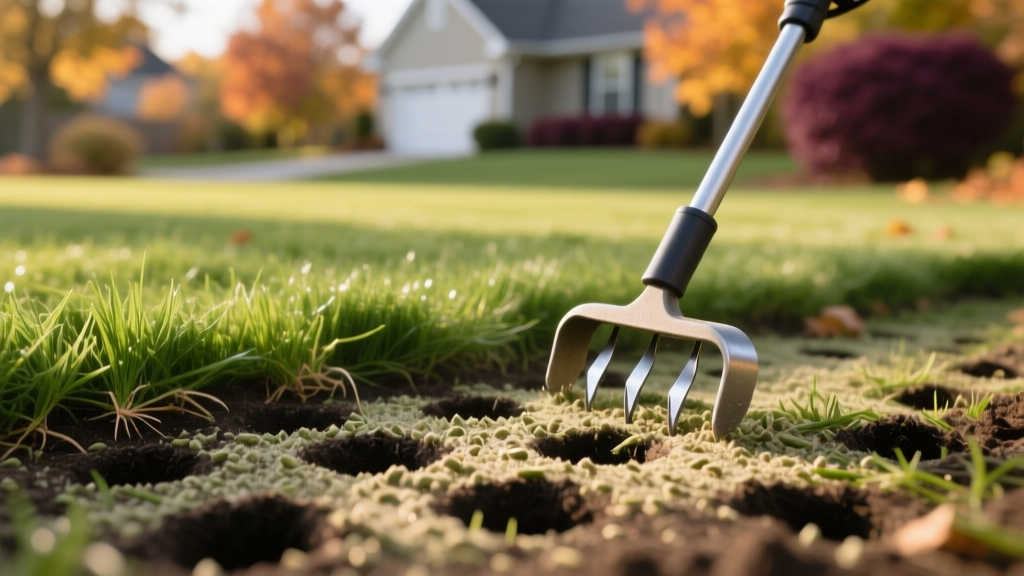
Fall Core Aeration and Overseeding: A Step-by-Step Guide
David ParkPublished
Why Your Lawn Needs Core Aeration and Overseeding
Over time, even the most meticulously maintained lawns can fall victim to soil compaction, thatch buildup, and thinning turf. Foot traffic, heavy rainfall, and regular mowing all contribute to compressing the soil beneath your grass. When soil becomes compacted, it restricts the flow of essential oxygen, water, and nutrients to the root zone, leading to a weak, shallow-rooted lawn that is highly susceptible to drought, disease, and weed invasion. To combat this, lawn care professionals rely on the powerful combination of core aeration and overseeding.
Core aeration involves mechanically removing small plugs of soil and thatch from the lawn, which alleviates compaction and creates direct pathways for air, water, and fertilizer to reach the roots. Overseeding, the process of planting new grass seed directly into existing turf without tearing up the soil, introduces newer, more resilient grass varieties to fill in bare spots and crowd out weeds. When performed together, these two practices create the ultimate environment for seed-to-soil contact, resulting in a dramatically thicker, healthier, and more vibrant lawn.
Core Aeration vs. Spike Aeration: Which is Better?
Before renting equipment, it is crucial to understand the difference between core aeration and spike aeration. Spike aerators simply poke solid holes into the ground using metal tines. While this might seem beneficial, spike aeration actually exacerbates soil compaction by pressing the surrounding soil tighter together to make room for the hole. This is particularly detrimental in heavy clay soils.
Core aerators, on the other hand, use hollow tines to extract cylindrical plugs of soil (typically 2 to 3 inches deep and 0.5 to 0.75 inches in diameter). By physically removing soil mass, core aeration genuinely relieves compaction and allows the surrounding soil to expand. According to the Clemson University Home and Garden Information Center, core aeration is the universally recommended method for improving soil structure and enhancing turfgrass health, making it the undisputed choice for pairing with overseeding.
When to Aerate and Overseed Your Lawn
Timing is everything when it comes to lawn renovation. For cool-season grasses like Tall Fescue, Kentucky Bluegrass, and Perennial Ryegrass, the absolute best time to aerate and overseed is in the early fall (late August through October). During this window, soil temperatures are still warm enough to encourage rapid seed germination, while cooler air temperatures reduce heat stress on young seedlings. Furthermore, fall brings increased rainfall and fewer competing weeds, giving new grass a head start before the following summer.
Warm-season grasses (such as Bermuda, Zoysia, and Centipede) should be aerated and overseeded in late spring to early summer when the grass is actively growing and soil temperatures consistently exceed 65°F. However, warm-season lawns are rarely overseeded with the same grass type; instead, they are sometimes overseeded with Perennial Ryegrass in the fall for temporary winter color.
A Critical Warning Regarding Pre-Emergent Herbicides
If you plan to overseed, you must avoid applying standard pre-emergent crabgrass preventers (like prodiamine or dithiopyr) in the weeks leading up to your project. Pre-emergents work by creating a chemical barrier in the soil that stops seeds from germinating—and they cannot distinguish between crabgrass seeds and your expensive turfgrass seed. If you have applied a pre-emergent, you generally must wait 8 to 12 weeks before overseeding. The only notable exception is mesotrione (often sold under the brand name Tenacity), which can be applied at the time of seeding to prevent weeds without harming cool-season grass seedlings.
Step-by-Step Guide to Aerating and Overseeding
Step 1: Prepare the Lawn
Begin by mowing your lawn significantly shorter than usual, ideally down to a height of 1.5 to 2 inches. Bag the clippings to ensure the soil surface is completely exposed. Two to three days before aerating, water your lawn deeply (about 1 inch of water). Moist soil allows the aerator tines to penetrate deeply and pull out intact plugs. If the soil is too dry, the tines will bounce off the surface; if it is muddy, the machine will clog and tear the turf.
Step 2: Core Aerate the Soil
Rent a heavy-duty, walk-behind core aerator from a local equipment rental shop. Because these machines are heavy and can be difficult to steer, treat them like a rototiller. Make at least two passes over your entire lawn. The first pass should be in one direction, and the second pass should be perpendicular (in a cross-hatch pattern). Your goal is to create holes spaced no more than 2 to 3 inches apart. Leave the extracted soil plugs on the lawn; they will break down naturally over the next few weeks, returning beneficial microbes and topsoil to the thatch layer.
Step 3: Overseed with Precision
Once aeration is complete, it is time to spread the seed. Use a broadcast spreader for even coverage, and like the aeration process, spread the seed in two perpendicular directions to avoid striping. The University of Missouri Extension emphasizes that uniform seed distribution is vital to prevent clumping and ensure a consistent turf canopy. Ensure you are using high-quality, weed-free seed with a germination rate of 85% or higher.
Step 4: Apply Starter Fertilizer and Topdressing
Immediately after seeding, apply a high-quality starter fertilizer. Starter fertilizers are rich in phosphorus (the middle number on the bag, such as a 10-18-10 NPK ratio), which is essential for rapid root development in new seedlings. For an extra boost, consider topdressing the lawn with a thin layer (about 1/4 inch) of screened compost. This protects the seed, retains moisture, and introduces valuable organic matter into the aeration holes.
Overseeding Rates and Grass Type Selection
Choosing the right seed and applying it at the correct rate is critical. Applying too little seed results in thin turf, while applying too much leads to overcrowding, disease, and wasted money. Below is a comparison chart for common cool-season grasses.
| Grass Type | Overseeding Rate (lbs / 1,000 sq ft) | Germination Time | Best Use Case |
|---|---|---|---|
| Tall Fescue | 5.0 - 6.0 lbs | 7 - 14 days | Drought tolerance, high traffic, transition zones |
| Kentucky Bluegrass | 1.0 - 2.0 lbs | 14 - 28 days | Lush appearance, cold tolerance, rhizome spreading |
| Perennial Ryegrass | 4.0 - 5.0 lbs | 5 - 10 days | Rapid germination, erosion control, winter color |
Post-Overseeding Watering and Maintenance Schedule
The success of your overseeding project hinges entirely on your watering schedule during the first three weeks. Grass seed must remain consistently moist to germinate. If the seed dries out even once during the germination process, it will die.
- Weeks 1 & 2 (Germination Phase): Water the lawn lightly 2 to 3 times per day for about 5 to 10 minutes per zone. The goal is not to soak the soil deeply, but to keep the top 1/4 inch of soil and the seed constantly damp. Adjust based on rainfall and sunlight.
- Week 3 (Establishment Phase): As seedlings emerge and grow to about 1 inch tall, reduce watering frequency to once a day, but increase the duration to encourage deeper root growth.
- Week 4 and Beyond: Transition back to your normal watering schedule of 1 to 1.5 inches of water per week, applied in deep, infrequent sessions to promote drought-resistant roots.
When to Mow the New Grass
Patience is required when it comes to the first mow. Do not mow the lawn until the new grass has reached a height of at least 3.5 to 4 inches. When you do mow, ensure your mower blades are razor-sharp to prevent tearing the tender young seedlings out of the ground. Never remove more than the top one-third of the grass blade in a single mowing session.
'A successful lawn renovation is not a weekend project; it is a season-long commitment. The aeration and seeding take only a day, but the consistent aftercare dictates whether you get a lush, thick carpet of grass or a patchy disappointment.' — Turfgrass Management Best Practices
By following these detailed aeration and overseeding techniques, you can reverse years of soil compaction and turf decline. The combination of relieving soil stress, introducing superior grass genetics, and providing meticulous aftercare will yield a lawn that is not only beautiful but fundamentally resilient against the stresses of weather and foot traffic.