Tree Care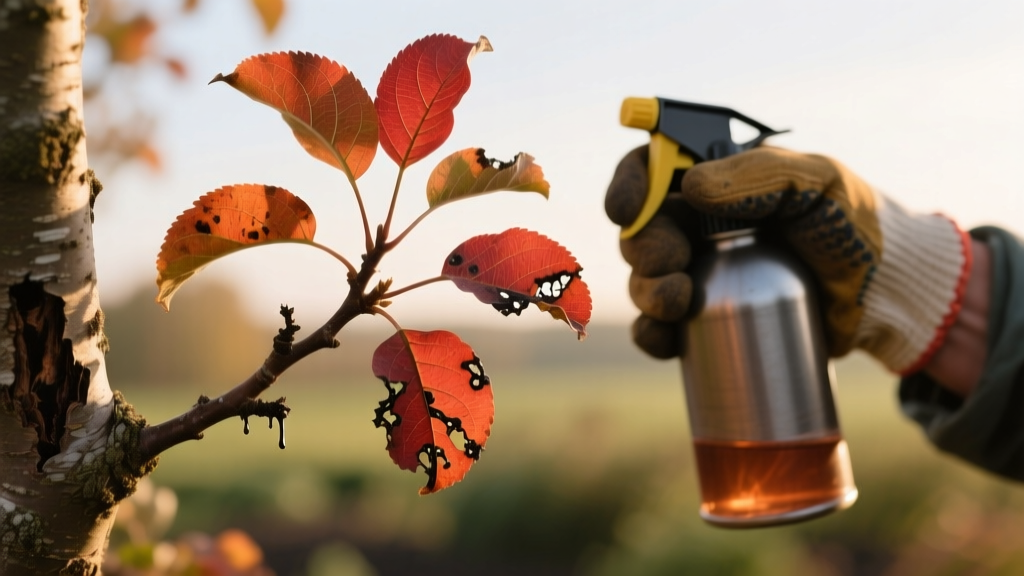
Fire Blight Identification and Copper Spray Guide 2026
Anna KowalskiPublished
Integrating Tree Health into Your Fall Lawn Care Routine
Fall lawn care routines often dominate the autumn landscaping calendar, with homeowners focusing heavily on aeration, overseeding, and leaf mulching. However, as the 2026 growing season transitions into dormancy, comprehensive landscape management must extend upward into the tree canopy. For property owners with fruit-bearing trees or ornamental pome fruits, fall is the critical window for managing one of the most devastating bacterial diseases in arboriculture: fire blight. Caused by the pathogen Erwinia amylovora, fire blight can decimate apple, pear, and crabapple trees if left unchecked. While the most dramatic symptoms appear during the spring bloom, the foundational work for prevention and control happens in the fall. This guide details how to identify overwintering fire blight cankers, execute proper fall sanitation pruning, and apply dormant copper sprays to protect your trees and integrate seamlessly with your broader fall lawn care strategy.
The Biology of Fire Blight and Overwintering
Fire blight is a destructive bacterial disease that primarily affects plants in the Rosaceae family, particularly the subfamily Amygdaloideae (formerly Maloideae). The bacteria thrive in warm, humid conditions, entering the tree through natural openings like blossoms, stomata, or wounds caused by pruning and storm damage. Once inside, the bacteria multiply rapidly, moving through the tree's vascular system and causing necrotic lesions.
As autumn temperatures drop and the tree prepares for dormancy, the active infection slows down. However, the bacteria do not die off. Instead, they overwinter in the margins of branch and trunk cankers. According to experts at Penn State Extension, these overwintering cankers serve as the primary source of inoculum for the following spring. When spring rains arrive and temperatures rise, the bacteria become active again, oozing from the cankers and spreading to new blossoms via rain splash and insect vectors. Therefore, neutralizing these cankers in the fall is paramount for breaking the disease cycle.
Identifying Fire Blight Cankers in the Fall
While spring and summer present the classic 'shepherd's crook' wilting of terminal shoots and scorched-looking leaves, fall identification requires a more meticulous inspection of the woody tissue. Without leaves obscuring the branches, autumn is actually the ideal time to map out the extent of an infection.
Key Visual Indicators:
- Sunken, Discolored Bark: Look for areas on the trunk and major scaffold branches where the bark appears slightly sunken, darkened, or water-soaked. The margins of these cankers may have a distinct, slightly raised callus ridge as the tree attempts to compartmentalize the infection.
- Bacterial Ooze: In early fall or during unseasonably warm, humid autumn spells, you may still find amber-colored or milky droplets of bacterial ooze on the bark surface. This ooze is highly infectious and contains billions of bacterial cells.
- Peeling Bark: If you gently scrape the outer bark of a suspected canker with a sterile knife, the underlying cambium will appear reddish-brown to black, rather than the healthy green or creamy white of uninfected tissue.
The Cornell University Plant Disease Diagnostic Clinic emphasizes that accurate identification in the fall is crucial, as these cankers must be removed before the tree fully enters winter dormancy to prevent structural weakening and spring outbreaks.
Fall Sanitation and Pruning Protocols
Pruning out infected wood is the most effective cultural control method for fire blight. Fall pruning is highly recommended because the bacteria are less active, reducing the risk of accidentally spreading the infection via pruning tools or fresh wounds.
The 15-Inch Rule
When removing a cankered branch, you must cut well below the visible margin of the infection. Research from the University of Minnesota Extension and other leading arboricultural institutions dictates making the pruning cut at least 12 to 15 inches below the lowest visible symptom of the canker or wood discoloration. This ensures you are cutting into healthy, uninfected wood.
Tool Sterilization
Fire blight bacteria are easily transmitted on pruning shears, loppers, and saws. You must sterilize your tools between every single cut when dealing with active or suspected blight. Use a 70% isopropyl alcohol solution or a 10% bleach solution (one part household bleach to nine parts water). Note that bleach can corrode metal tools over time, so wipe them down with an oiled cloth after your pruning session is complete.
Proper Disposal
Never compost or chip fire blight-infected wood for use as mulch in your garden. The bacteria can survive in dead wood for weeks. Immediately bag the infected prunings or burn them where local ordinances permit. Do not leave them near your orchard or lawn areas.
The Science of Copper Spray Prevention
Copper-based bactericides are a cornerstone of fire blight prevention. Copper ions disrupt bacterial enzyme systems and cell membranes, effectively killing the Erwinia amylovora cells on the surface of the bark. While copper sprays cannot cure an infection that has already penetrated deep into the vascular system, they are highly effective at reducing the epiphytic populations of bacteria on the bark surface and within the margins of shallow cankers.
Applying a dormant copper spray in late fall (after leaf drop but before the ground freezes) helps to drastically reduce the overwintering inoculum. This 'clean-up' spray ensures that when the tree breaks dormancy in 2026, the initial bacterial load is significantly lower, giving your spring management strategies a massive advantage.
2026 Copper Fungicide Comparison Chart
Selecting the right copper formulation is critical for efficacy and plant safety. Below is a comparison of top-rated copper products available for the 2026 season, tailored for fall dormant applications.
| Product Name | Active Ingredient | Best Use Case | Fall Dormant Application Rate |
|---|---|---|---|
| Bonide Liquid Copper Fungicide | Copper Octanoate (10%) | Home orchards, easy mixing, broad-spectrum bacterial control. | 2 tbsp per gallon of water |
| Southern Ag Liquid Copper | Copper Octanoate (10%) | Large properties, high coverage needs, cost-effective bulk use. | 2 to 3 tbsp per gallon |
| Monterey Liqui-Cop | Copper Octanoate (8%) | Sensitive ornamental crabapples, lower copper load to prevent bark burn. | 1.5 to 2 tbsp per gallon |
| Traditional Bordeaux Mixture | Copper Sulfate & Hydrated Lime | Severe historical outbreaks, heavy trunk coating, maximum adherence. | 1 lb copper sulfate + 1 lb lime per 10 gallons |
Note: Always read and follow the specific manufacturer's label instructions on the product you purchase, as formulations and concentrations can vary slightly by region and production year.
Step-by-Step Fall Copper Application Guide
To maximize the effectiveness of your fall copper spray, follow these precise application steps:
- Timing is Everything: Apply the spray in late autumn, ideally after 90% of the leaves have fallen. The air temperature should be above freezing (ideally between 45°F and 60°F) and the weather forecast must predict at least 24 hours of dry conditions to allow the spray to dry completely.
- Safety First: Copper compounds can be toxic if inhaled or absorbed through mucous membranes. Wear long sleeves, chemical-resistant gloves, safety goggles, and an N95 or P100 respirator mask during mixing and application.
- Mixing: Fill your pump sprayer halfway with water, add the measured copper concentrate, and agitate thoroughly before adding the remaining water. If using a Bordeaux mixture, mix the lime and copper sulfate solutions separately before combining them slowly while stirring constantly.
- Thorough Coverage: The goal of a dormant fall spray is to coat the woody tissue, not the foliage. Spray the trunk, major scaffold branches, and the crotches of the tree where bark is rough and cankers like to hide. Spray until the liquid just begins to drip from the wood.
- Post-Application Cleanup: Rinse your sprayer thoroughly with clean water and a splash of white vinegar to neutralize any remaining alkaline copper residues that could corrode the sprayer's internal seals.
Integrating Tree Care with Fall Lawn Management
Your tree care routine should not exist in a vacuum; it must harmonize with your fall lawn care practices. One of the most common mistakes homeowners make is applying high-nitrogen 'winterizer' lawn fertilizers too close to the drip line of susceptible trees. Excess nitrogen absorbed by the tree roots in late fall can stimulate soft, succulent tissue growth that is highly vulnerable to fire blight infection. When fertilizing your lawn, use a slow-release, low-nitrogen formula near your orchard or ornamental pome fruit trees.
Additionally, as you manage fall leaf litter, ensure you are not piling leaves or organic debris against the base of your tree trunks. This creates a damp, humid microenvironment that encourages fungal and bacterial pathogens. Keep mulch pulled back at least three inches from the root flare to maintain proper airflow and bark health. By combining meticulous fall sanitation, strategic dormant copper sprays, and mindful lawn fertilization, you set the stage for robust, disease-free tree growth in the 2026 spring season.
Conclusion
Fire blight is a formidable adversary, but it is not invincible. By shifting your focus to proactive fall identification, rigorous sanitation pruning, and scientifically timed copper spray applications, you can protect your valuable landscape trees from severe damage. Incorporate these arboricultural practices into your 2026 fall lawn care checklist, and your trees will reward you with vigorous health and abundant blooms when spring returns.
