Gardening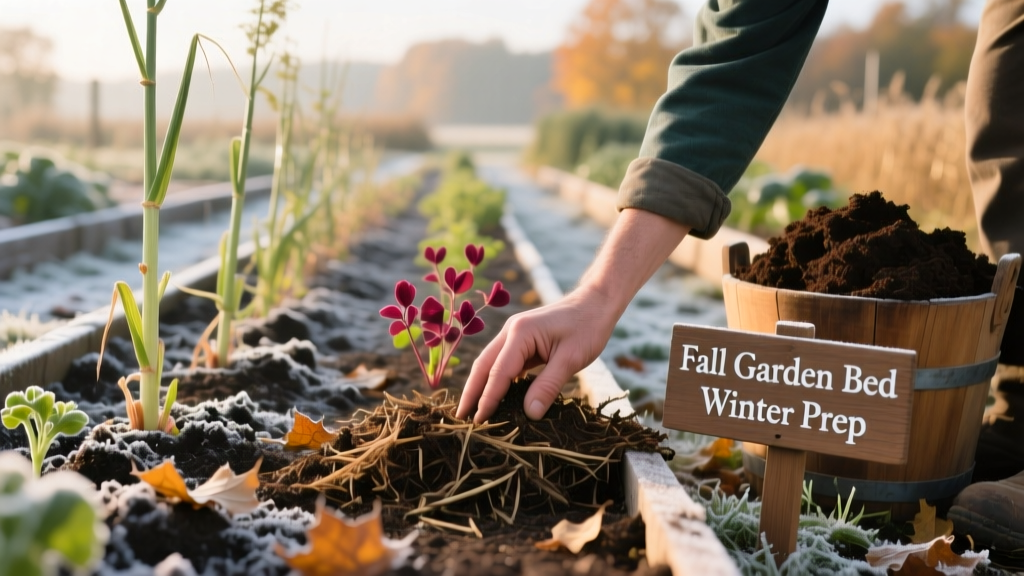
Fall Garden Bed Prep: Winter Cover Crops And Soil Care
Mike RodriguezPublished
The Importance of Fall Garden Maintenance
As the autumn air turns crisp and the final heirloom tomatoes are harvested, many home gardeners are tempted to close the gate, store their trowels, and wait for the warmth of spring. However, seasonal maintenance and care during the fall months dictate the success of next year's harvest. Preparing your vegetable and flower beds for winter is not merely about cleaning up debris; it is a proactive, strategic effort to build soil health, prevent topsoil erosion, and suppress early spring weeds. According to the USDA Natural Resources Conservation Service, maintaining living roots in the soil year-round is one of the core principles of long-term soil health. This comprehensive guide will walk you through the essential fall maintenance tasks, from precise soil amendment to selecting the right winter cover crops, ensuring your garden is primed for a vigorous spring awakening.
Step 1: Clearing, Sanitizing, and Weed Management
The first step in fall garden bed preparation is the thorough removal of spent summer crops. It is crucial to differentiate between healthy and diseased plant matter. Healthy stems and leaves from crops like beans, peas, and unblemished tomato vines can be chopped and added to your compost bin. However, any plant material showing signs of fungal diseases, such as early blight, powdery mildew, or septoria leaf spot, must be removed from the property entirely. Dispose of diseased matter in your municipal green waste bin or the trash to prevent fungal spores from overwintering in your compost pile and reinfecting next year's seedlings.
Next, tackle the weeds. Fall is the time to aggressively remove perennial weeds like bindweed, quackgrass, and dandelion before they settle in for the winter. Use a hori-hori knife or a digging fork to extract the entire root system. If you leave fragments of perennial roots in the soil, they will regenerate and compete with your spring crops. For annual weeds that have already dropped seeds, carefully collect the seed heads before pulling the plants to reduce the weed seed bank in your soil for the following season.
Step 2: Soil Testing and Strategic Amendment
Many gardeners wait until spring to test their soil, but fall is actually the ideal time for soil analysis. Sending a soil sample to a university extension office typically costs between $15 and $30 and provides a detailed breakdown of your soil's pH, macronutrients, and organic matter percentage. Testing in the autumn gives you a multi-month window to apply slow-acting amendments that require time to break down and integrate into the soil profile.
If your soil test indicates that the pH is too low (acidic), apply a granular limestone product, such as Espoma Organic Garden Lime. A general rule of thumb is to apply 5 pounds of lime per 100 square feet to raise the pH by one point, but always follow the specific recommendations on your soil test report. Conversely, if your soil is too alkaline, elemental sulfur is required to lower the pH. Once the pH is corrected, top-dress your beds with a 2-inch to 3-inch layer of finished compost. This adds vital micronutrients, improves soil structure, and feeds the beneficial mycorrhizal fungi that will establish symbiotic relationships with your plant roots next spring.
Step 3: Selecting and Sowing Winter Cover Crops
Cover crops, often referred to as 'green manure,' are the unsung heroes of the vegetable garden. The University of Maryland Extension highlights that cover crops prevent soil erosion, scavenge leftover nutrients, and, in the case of legumes, fix atmospheric nitrogen into the soil. Choosing the right cover crop depends on your specific garden goals and your USDA hardiness zone.
Grasses like winter rye produce massive amounts of biomass, which is excellent for building soil organic matter. Legumes like crimson clover and hairy vetch partner with soil bacteria to pull nitrogen from the air and store it in root nodules. Brassicas, such as daikon radish, feature deep taproots that break up compacted clay soil and scavenge excess nitrogen left behind by heavy-feeding summer crops like corn or squash.
Winter Cover Crop Comparison Chart
| Cover Crop Type | Primary Benefit | Seeding Rate (per 100 sq ft) | Spring Termination Method |
|---|---|---|---|
| Winter Rye (Grass) | Erosion control, high biomass | 2 to 3 ounces | Flail mow or crimp at flowering |
| Crimson Clover (Legume) | Nitrogen fixation, early pollen | 1 to 2 ounces | Mow before setting seed |
| Daikon Radish (Brassica) | Compaction breaking, nutrient scavenging | 1 ounce | Winter-kills in zones 7 and below |
| Hairy Vetch (Legume) | Heavy nitrogen fixation, weed suppression | 2 ounces (often mixed with rye) | Mow or pull before flowering |
To sow your cover crop, lightly rake the cleared garden bed to create a shallow seedbed. Broadcast the seeds evenly by hand or with a handheld spreader, then rake them in to a depth of about 1/4 inch to 1/2 inch. Water the bed gently but thoroughly to ensure good seed-to-soil contact. Aim to plant your cover crops roughly 4 to 6 weeks before your area's average first hard frost date to allow the plants to establish a strong root system before winter dormancy.
Step 4: Mulching for Winter Protection
If you choose not to plant a cover crop, or if you are preparing ornamental flower beds and perennial herb borders, applying a protective layer of mulch is non-negotiable. Bare soil is vulnerable to the freeze-thaw cycles of winter, which can cause 'frost heave'—a phenomenon where the expanding and contracting soil literally pushes shallow-rooted plants and perennials out of the ground, exposing their crowns to freezing air.
For vegetable beds, seedless straw or shredded autumn leaves are the best mulching materials. Avoid using whole, unshredded leaves, as they tend to mat together and form an impermeable barrier that blocks water and oxygen from reaching the soil. Run your lawnmower over the leaves a few times to shred them into dime-sized pieces before applying a 3-inch to 4-inch layer over your empty beds. As noted by the University of Wisconsin-Madison Extension, organic mulches slowly break down over the winter, feeding earthworms and improving soil tilth by the time you are ready to plant in May.
Expert Seasonal Timing Tip: Always wait until after the first hard freeze (when temperatures drop below 28°F for several hours) to apply heavy winter mulch around perennials and garlic beds. Mulching too early in the autumn traps residual heat in the soil, which can encourage tender new growth that will be killed by the ensuing cold, and it provides a warm nesting habitat for rodents seeking winter shelter.
Step 5: Infrastructure and Tool Maintenance
Seasonal maintenance extends beyond the soil to the physical infrastructure of your garden. Inspect your raised beds for signs of rot or structural weakness. If you use untreated cedar or redwood boards, scrub them with a stiff bristle brush and apply a generous coat of raw linseed oil to waterproof the wood and extend its lifespan. Tighten any loose corner brackets or screws that may have worked their way out due to the pressure of wet summer soil.
For your irrigation system, drain all soaker hoses and drip lines completely. Blow out the lines with an air compressor if possible, and store them in a shed or garage to prevent UV degradation and freezing damage. Finally, care for your hand tools. Scrape off caked-on clay with a putty knife, wash the metal heads with soapy water, and dry them thoroughly. Wipe down all metal surfaces with an oiled rag to prevent rust, and sand the wooden handles of your shovels and hoes before rubbing them with boiled linseed oil to prevent splintering and drying.
Conclusion: Setting the Stage for Spring Success
Fall garden bed preparation is an investment in the future vitality of your landscape. By taking the time to clear diseased debris, amend the soil based on scientific soil tests, establish living cover crops, and protect your infrastructure, you drastically reduce the workload required when the spring thaw arrives. When the soil warms and it is time to transplant your first seedlings, you will be greeted by rich, friable earth teeming with biological life, ready to support a bountiful and resilient harvest. Embrace the crisp autumn days, put in the seasonal maintenance work now, and reap the rewards in your garden for years to come.
